Hydro MicroScreen™
Overview
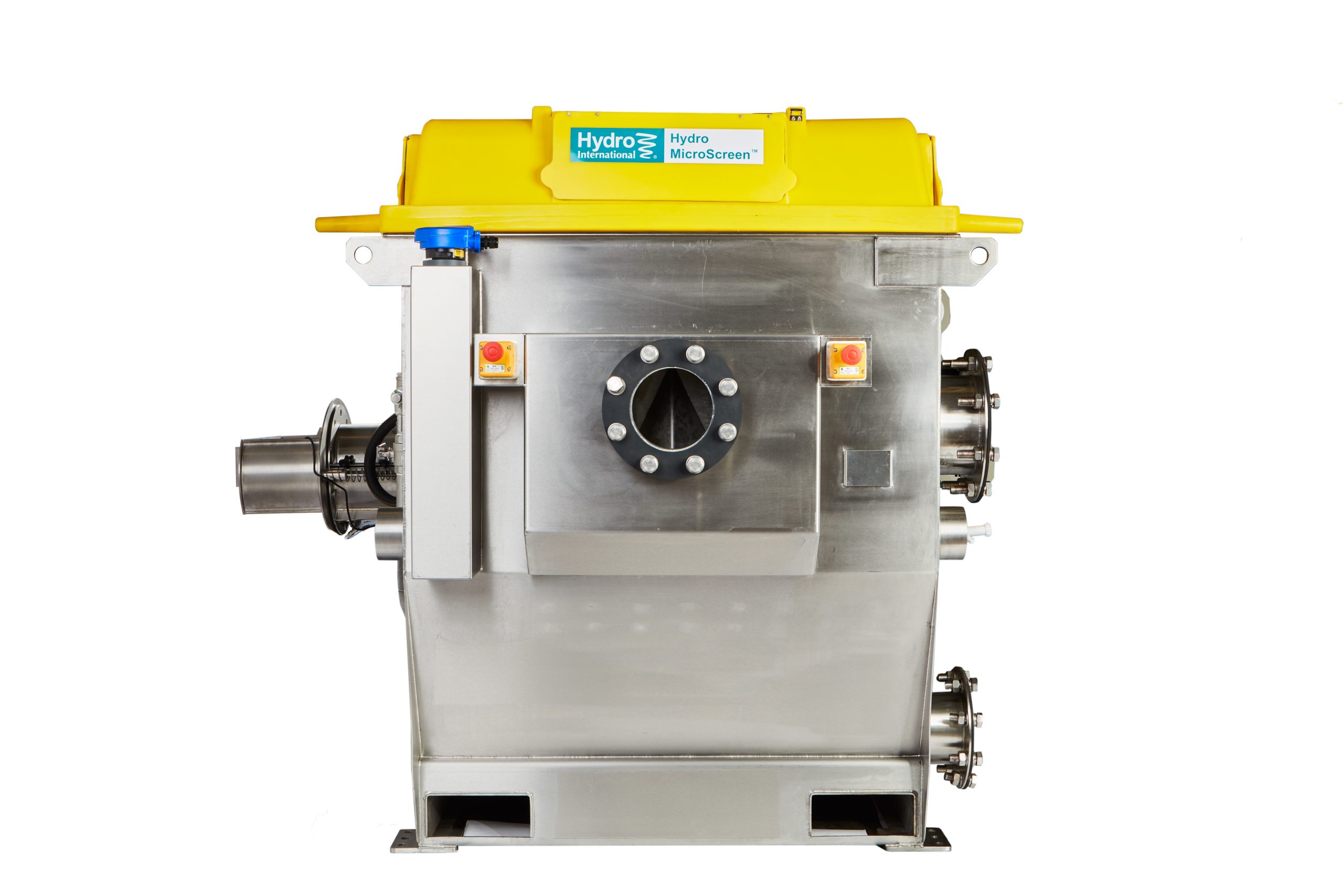
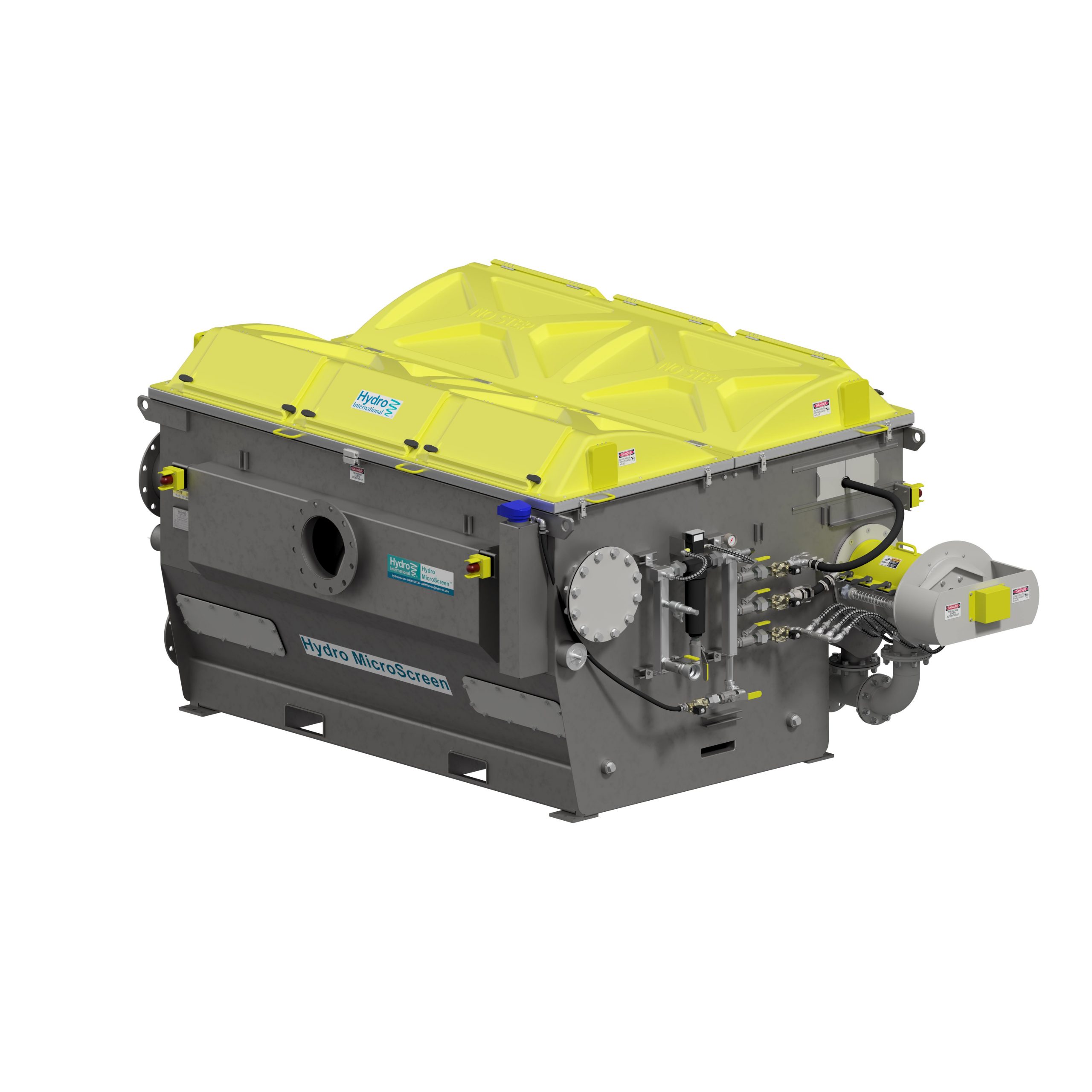
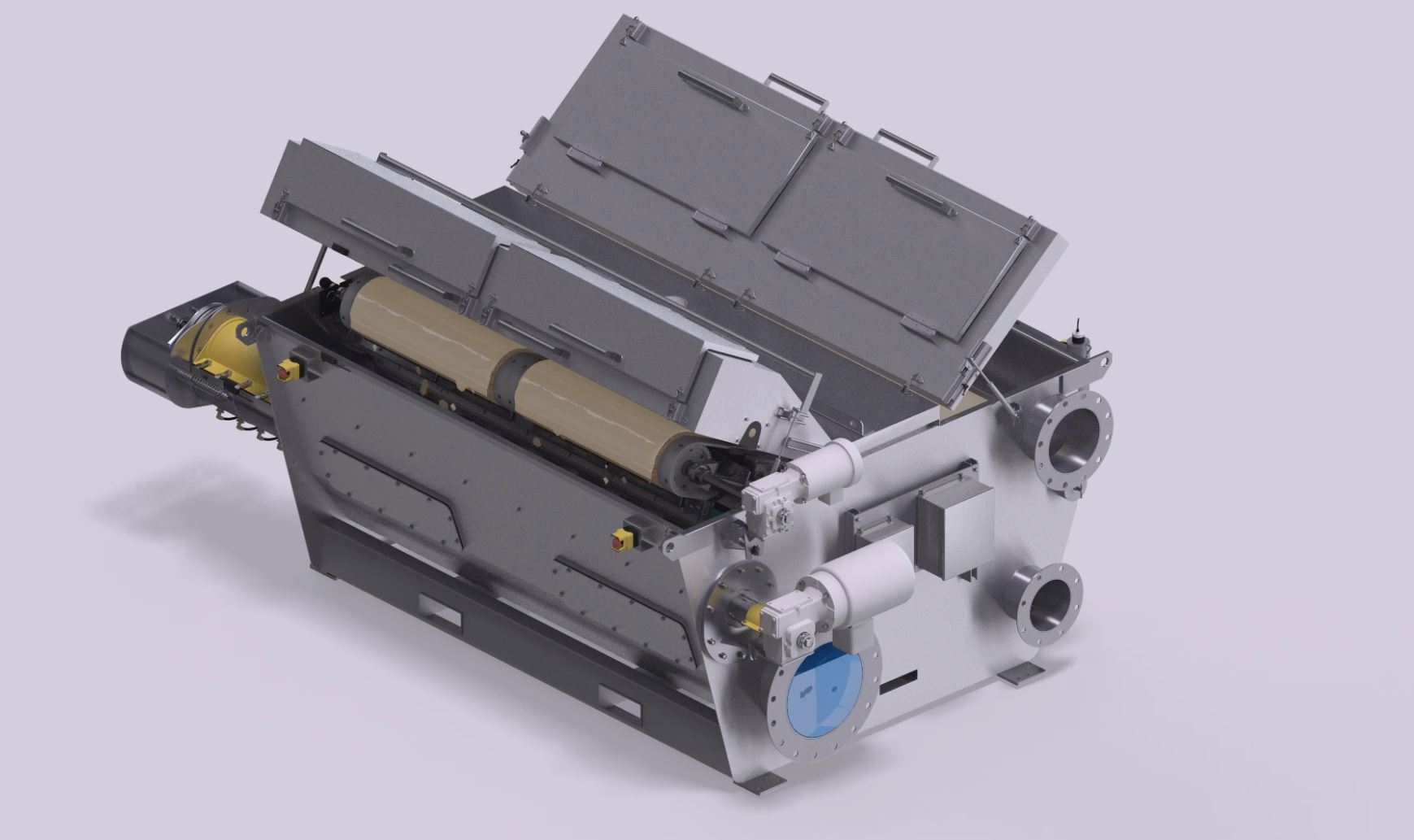
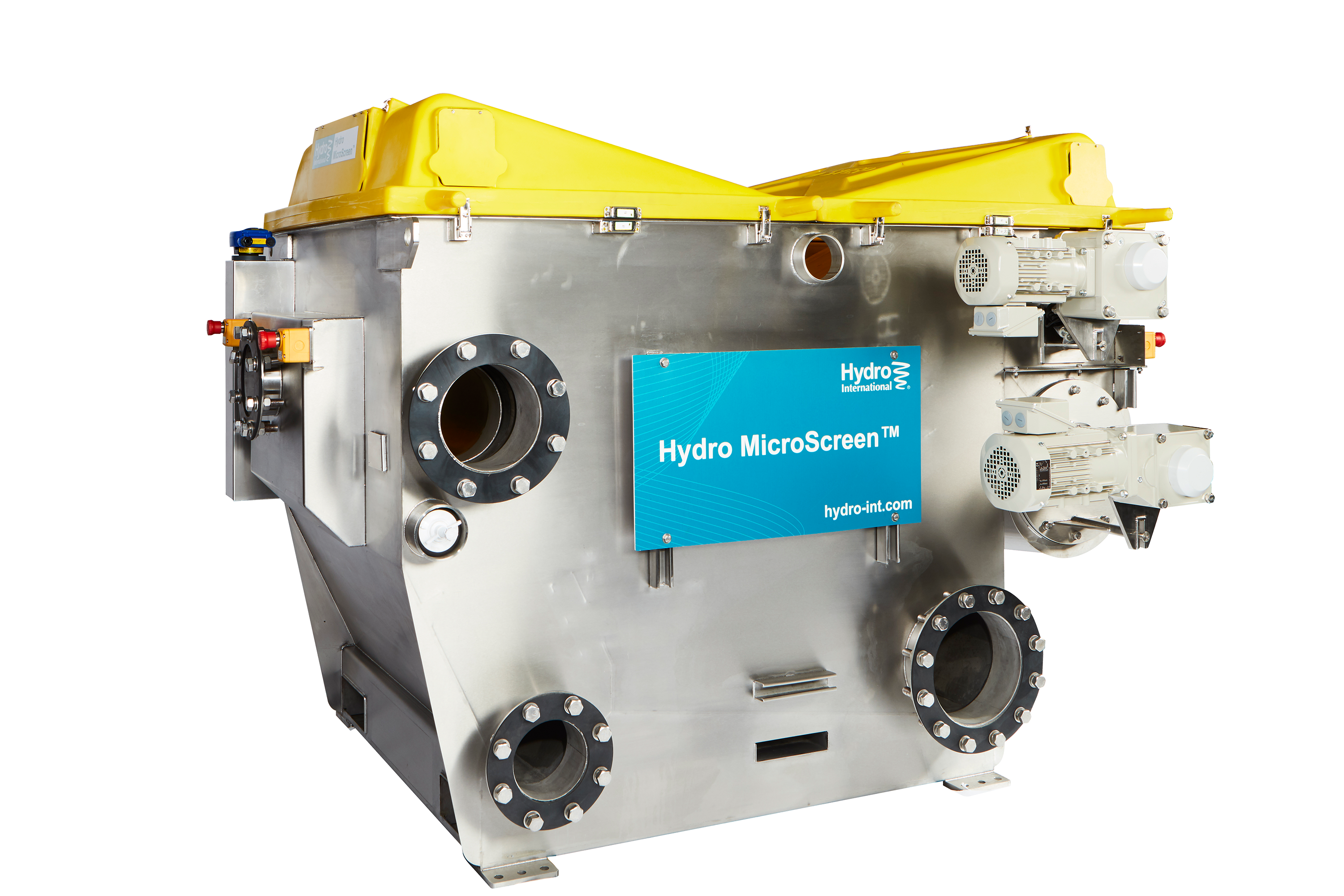
The Hydro MicroScreen™ is a low-energy, small-footprint rotating belt screen that delivers exceptional solids removal from industrial wastewater. Engineered by Hydro International to maintain efficiency and performance even at peak design flow rates, it enables plants to remove significantly more solids than conventional screens, increase energy efficiency, and save money by decreasing energy and chemical use in multi-stage pretreatment systems.
Hydro MicroScreen™ minimizes maintenance costs, reduces power requirements for energy-intensive biological processes, and lowers solids handling and disposal costs.
Applications
Hydro MicroScreen™ supports a wide range of industrial operations. The system has proven performance at:
- Food processing facilities
- Agricultural washing operations
- Breweries and winemaking facilities
- Pulp and papermaking operations
- Leather and hide processing plants
- Ultra-fine screening
- Primary clarification
- Pretreatment systems
The Hydro MicroScreen™ is a low-energy, small-footprint rotating belt screen that delivers exceptional solids removal from industrial wastewater. Engineered by Hydro International to maintain efficiency and performance even at peak design flow rates, it enables plants to remove significantly more solids than conventional screens, increase energy efficiency, and save money by decreasing energy and chemical use in multi-stage pretreatment systems.
Hydro MicroScreen™ minimizes maintenance costs, reduces power requirements for energy-intensive biological processes, and lowers solids handling and disposal costs.
Applications
Hydro MicroScreen™ supports a wide range of industrial operations. The system has proven performance at:
- Food processing facilities
- Agricultural washing operations
- Breweries and winemaking facilities
- Pulp and papermaking operations
- Leather and hide processing plants
- Ultra-fine screening
- Primary clarification
- Pretreatment systems
Benefits
Hydro MicroScreen™ replaces multi-step pretreatment, improves effluent quality, and reduces system footprint. The unit is 50% smaller than conventional screening systems and up to 90% smaller than conventional clarification systems.
Hydro MicroScreen™ helps facilities meet discharge limits in less space while capturing more TSS, BOD, FOG, and other particulates than conventional technologies. The system significantly reduces or eliminates the potential for expensive sewer surcharge fees.
The technology lowers solids handling and disposal costs without the use of chemicals and allows for capture of otherwise wasted byproduct materials. It also reduces maintenance costs and downtime by consolidating treatment into a single process.
- Split belt design with multiple size options for easy belt replacement and tailored capture performance
- No carryover or backwash of solids into the effluent chamber
- Easy access design with minimal downtime for maintenance
- Shallow screen angle provides greater submerged screen area and improved solids conveyance
- Removes 13–40% of total solids and uses up to 80% less energy than primary clarifiers
- Better treatment performance than conventional technologies with typical full ROI in less than one year
How It Works
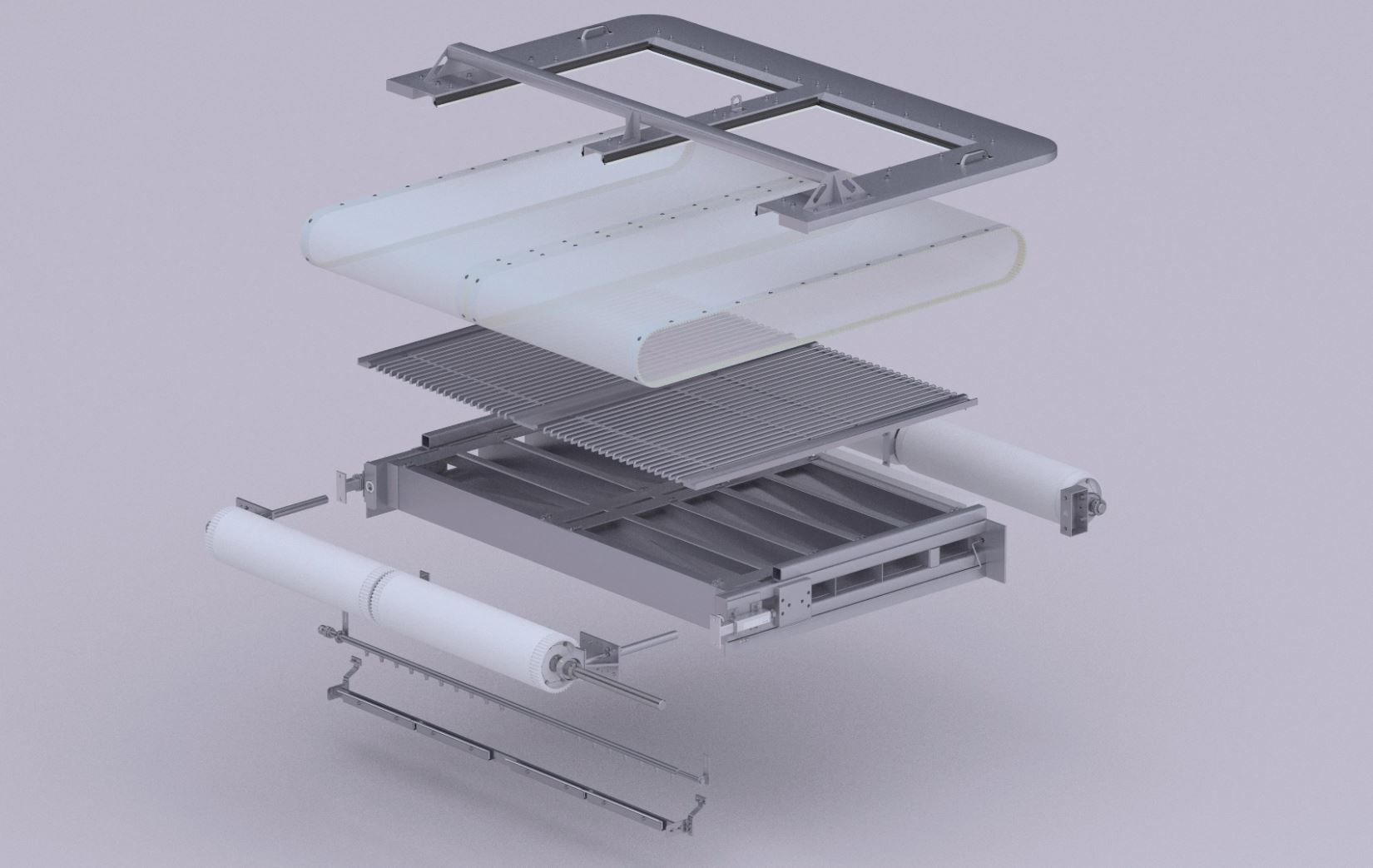
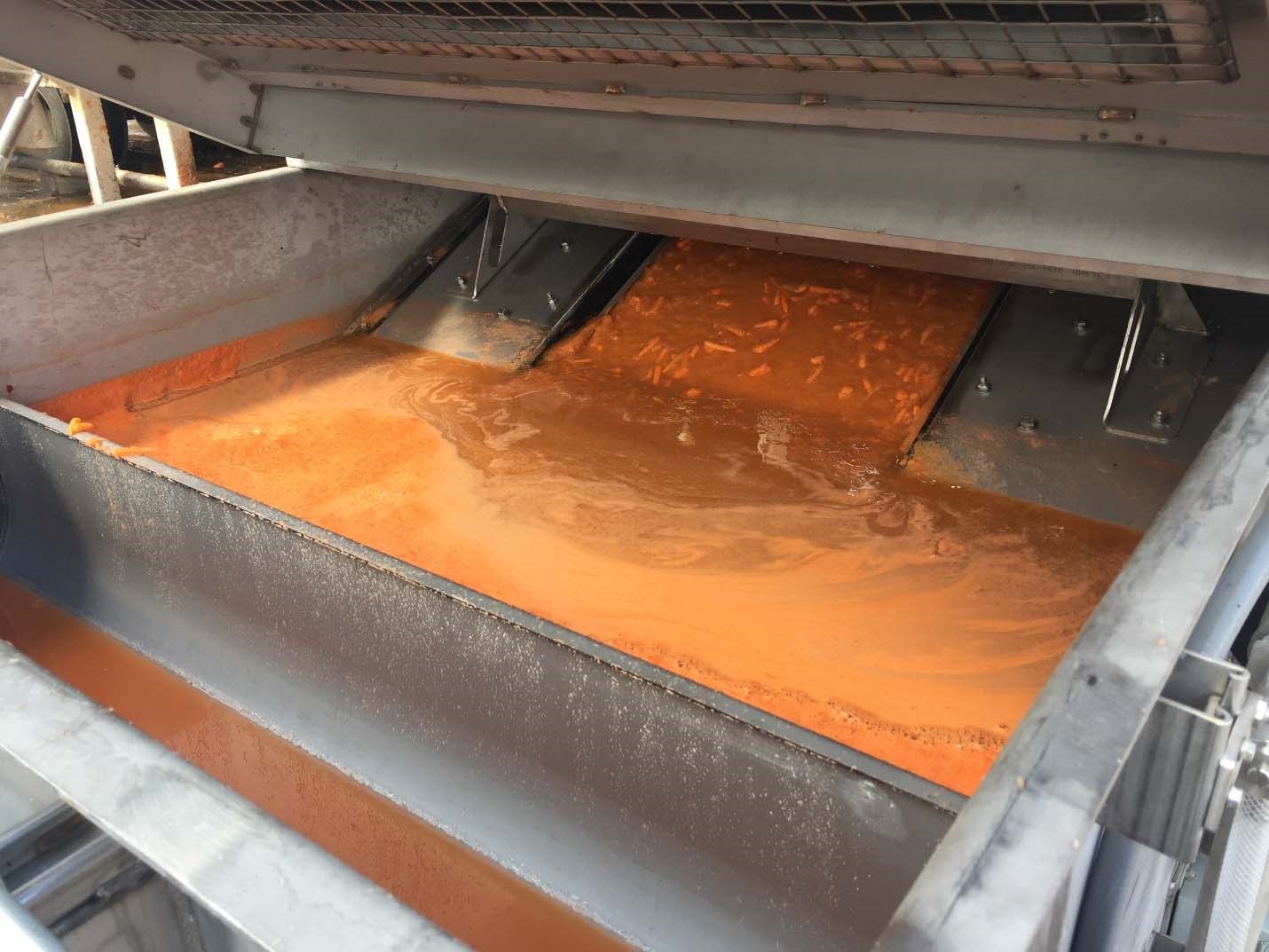
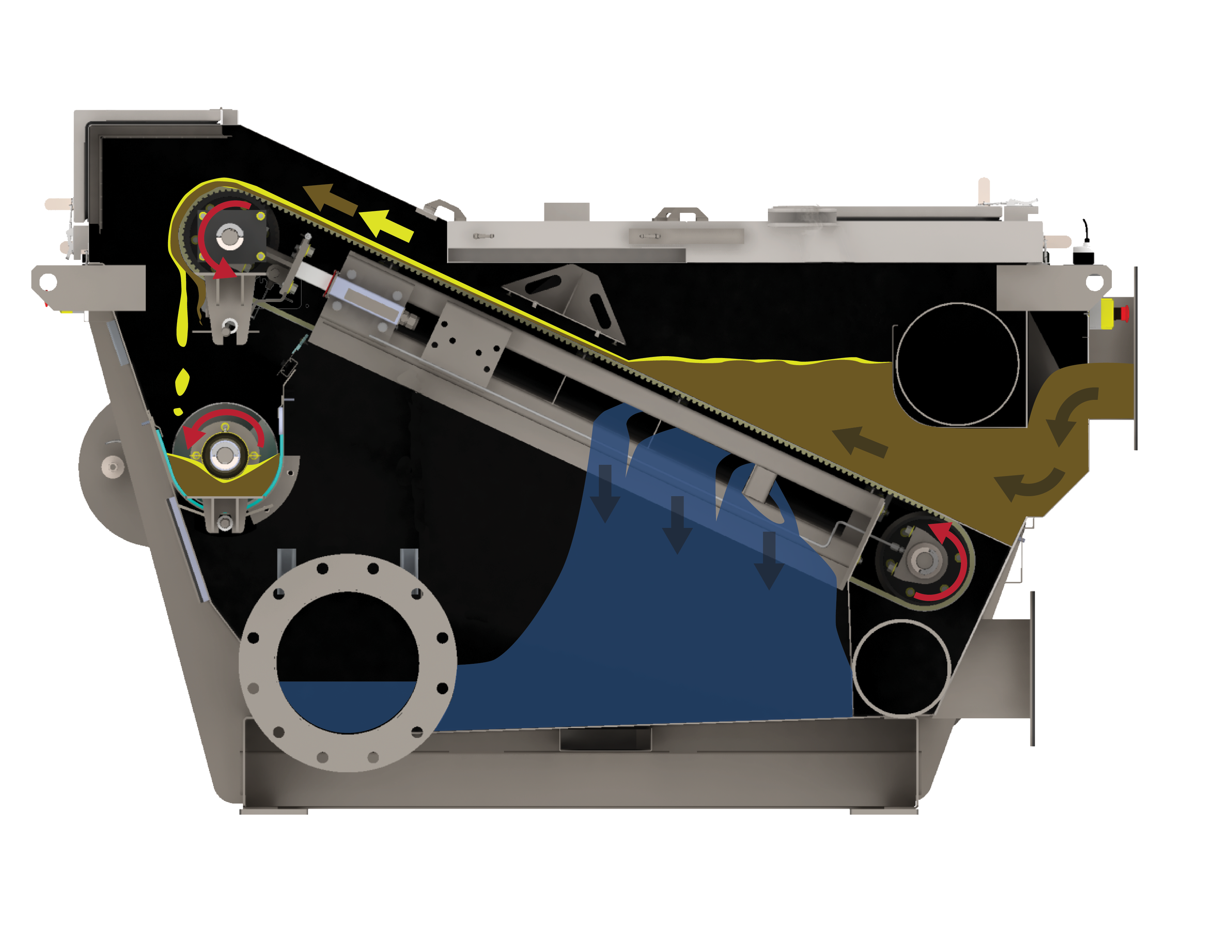
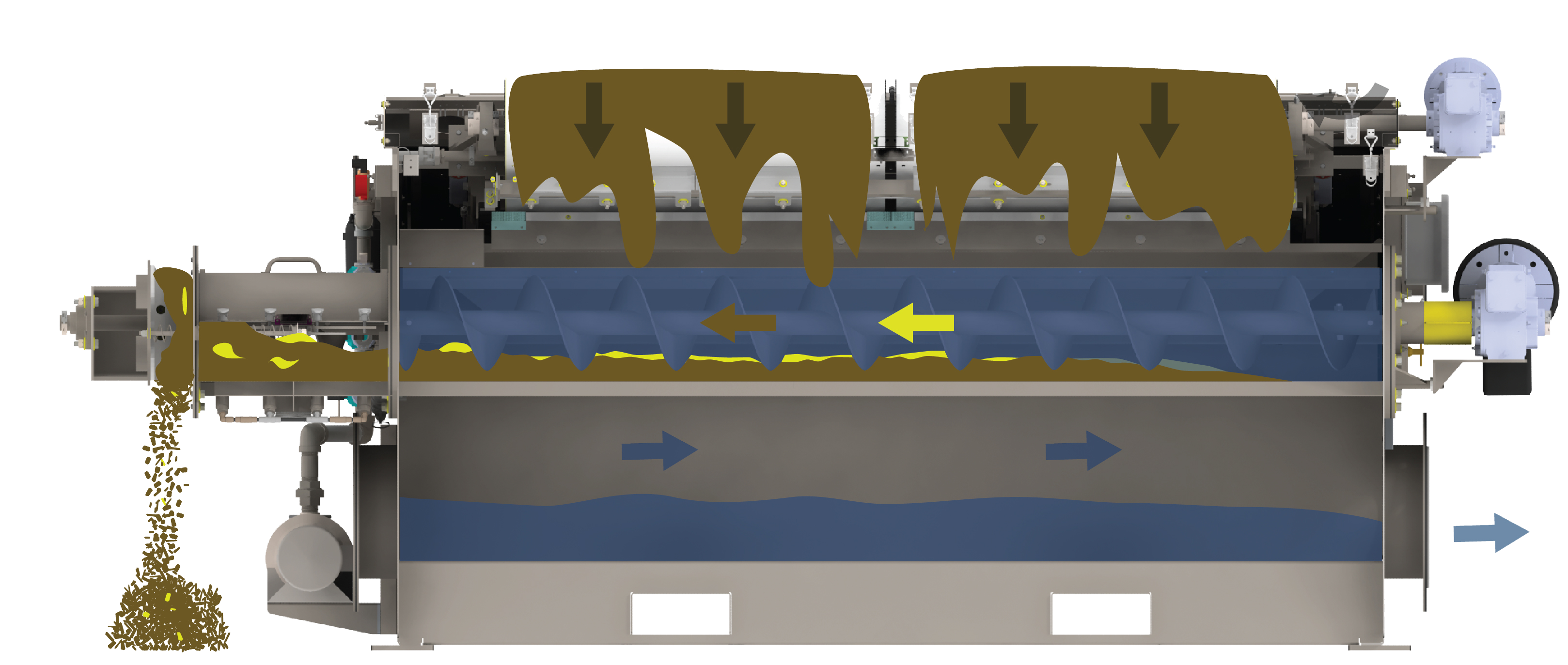
The Hydro MicroScreen utilizes a patented continuous rotating screen to separate solids from influent industrial wastewater. After coarse screening and grit removal, flow enters the Hydro MicroScreen where the energy dissipation plate and flow diverter evenly distribute influent over the entire screen width. Solids settle and accumulate on the screen creating a mat which causes the water level in the influent chamber to rise. An ultrasonic level sensor in the influent chamber automatically controls screen rotation
and speed.
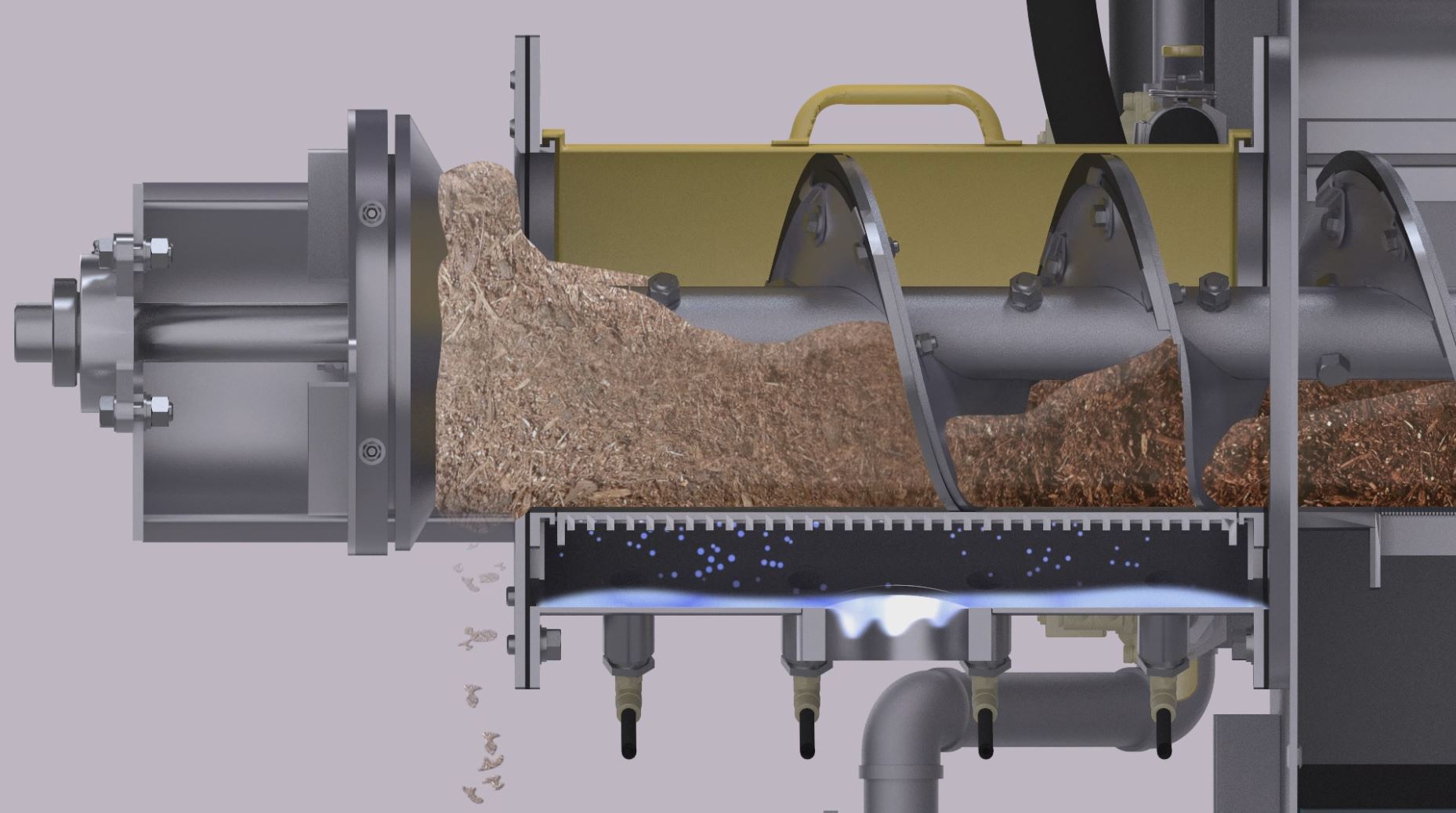
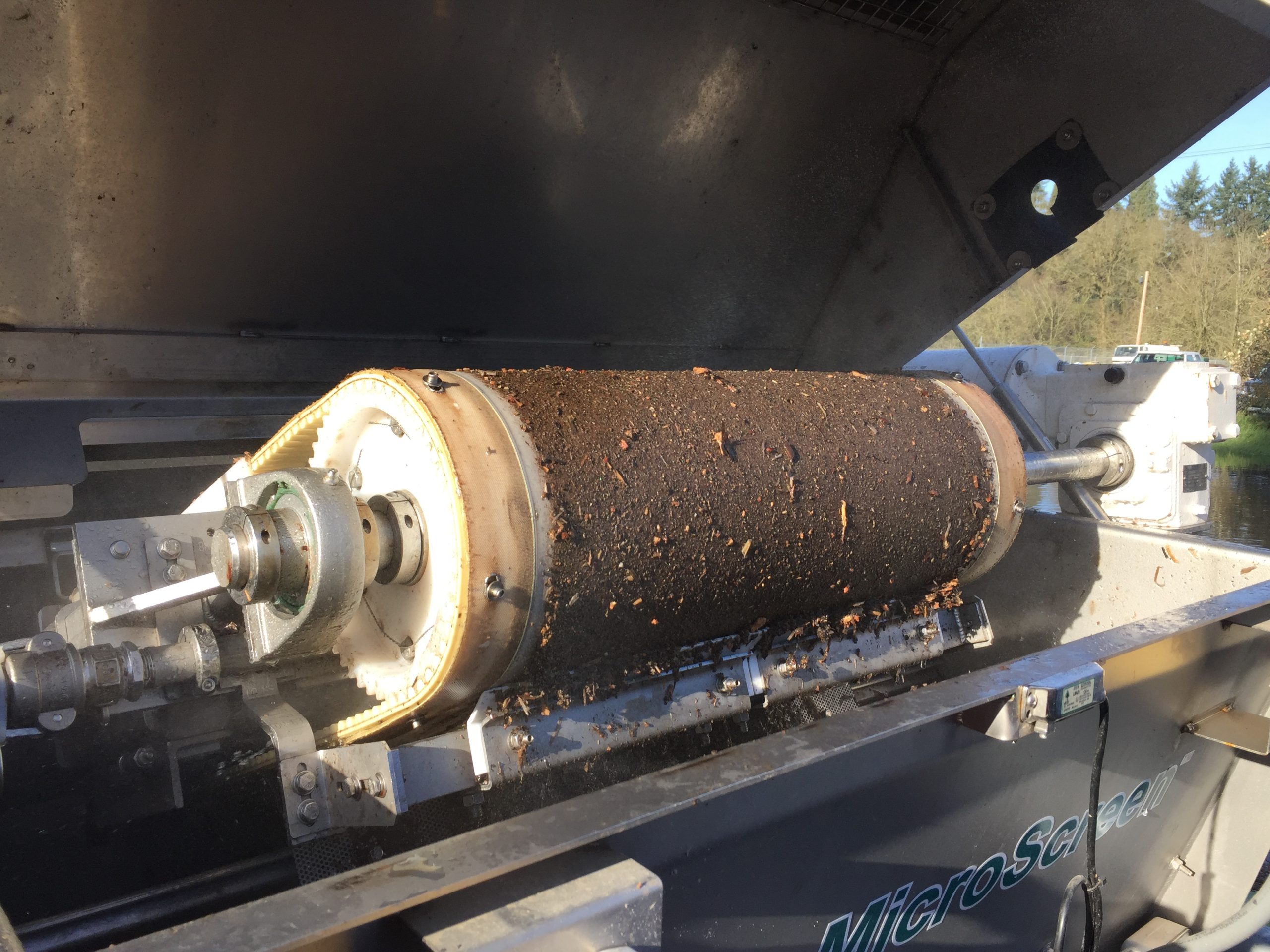
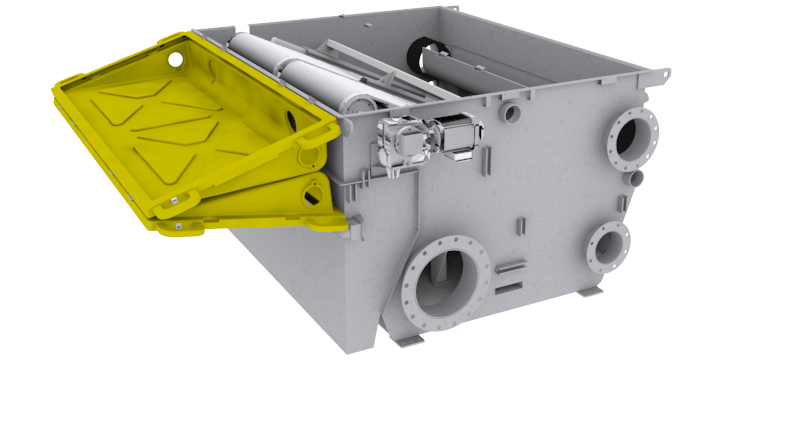
As the mat builds, liquid level in the influent chamber rises – signaling the screen conveyor to rotate the screen which exposes clean screen area to the incoming flow. Rotation of the screen simultaneously conveys the captured solids upward out of the influent chamber toward the upper roller where they fall by gravity from the screen into a screw auger. The screen is then cleaned by a series of low volume, high pressure spray nozzles and a secondary scraper blade.
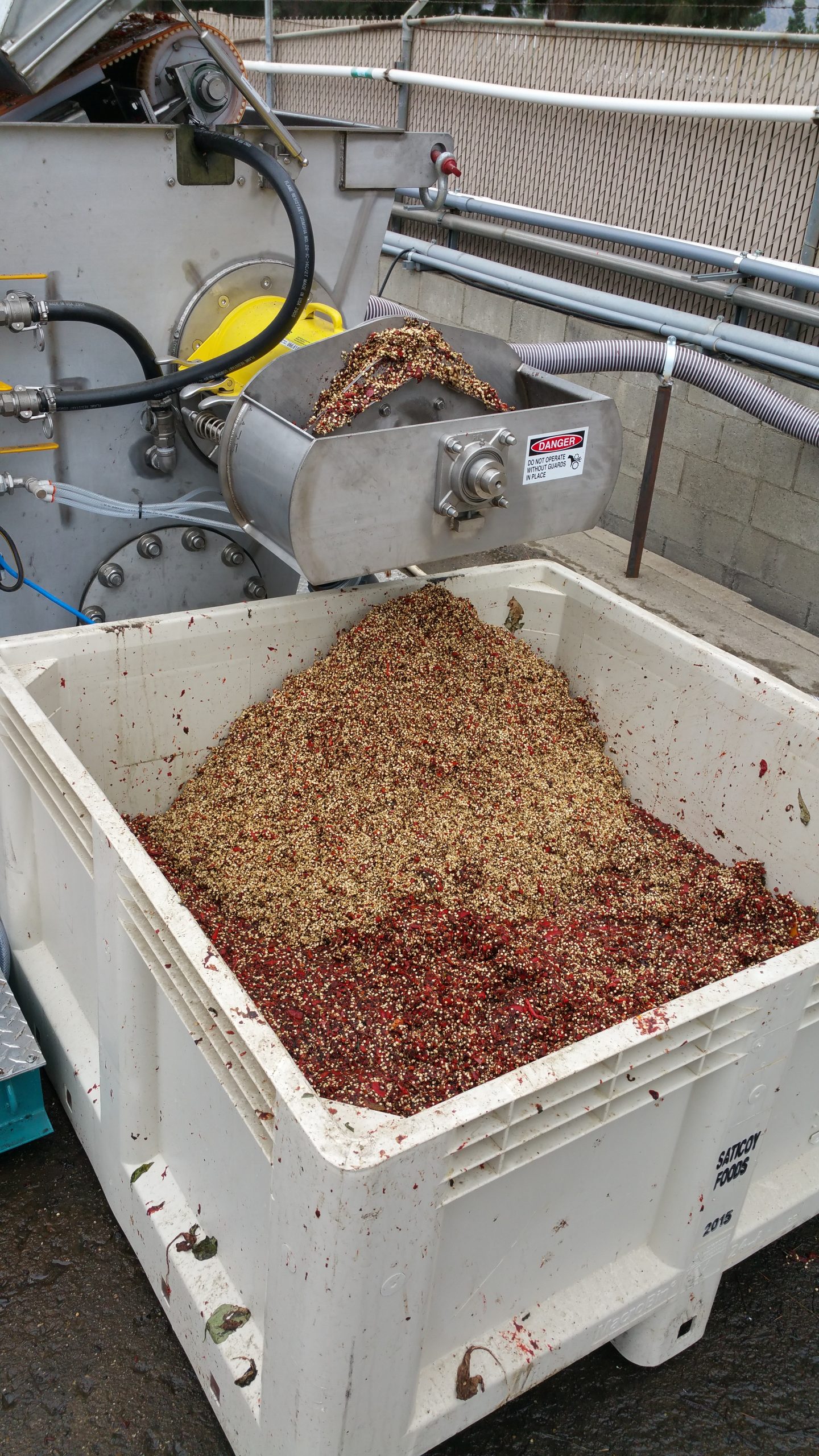
Discharged solids directly off the screen are typically 2-4% TS, similar to other screens or primary sludge. Adding a compression zone and dewatering section to the screw auger can produce up to 50% TS without the use of chemicals and may provide for alternate disposal / re-use options rather than landfill.
Performance
Hydro MicroScreen™ offers flexibility in capture rates, belt mesh sizes, and solids dryness, allowing industrial operations to customize the system to meet site-specific performance requirements.
- Typically removes 30–70% TSS, 15–50% BOD, and 20–50% FOG in a significantly smaller footprint, freeing up plant space
- Produces 13–40% total solids (TS) when equipped with a dewatering section and compression zone, without the use of chemicals
Capacity
- Screen sizes available from 20 to 2,000 micron (µm)
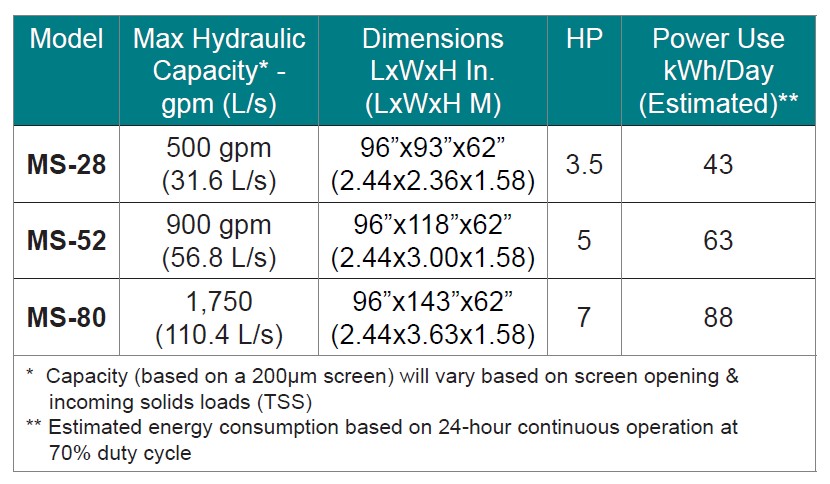
- Handles flows up to 1,750 gpm (2.5 Mgal/d | 110 L/s) in a single unit
- Designed to screen, convey, and dewater up to 25 tons (22.7 tonnes) per day of dewatered solids
Frequently Asked Questions
Q. Can removed solids be used for waste-to-energy?
A. Yes — the energy value of removed solids is equivalent to wood chips at approximately 3,800 kJ/kg (8,000 BTU/lb) on a dry basis. The high ratio of volatile solids to fixed carbon indicates strong reactivity in thermal processes.
Q. What are the expected operational cost savings?
A. At one municipal wastewater treatment plant with an average flow of 0.8 MGD (126 m³/h) and influent BOD and TSS of 250 mg/L, reductions in electricity use, sludge hauling and disposal, and operations and maintenance labor resulted in estimated savings of nearly $40,000 per year following installation of a single Hydro MicroScreen™ unit.
Q. How effective is the Hydro MicroScreen™ for industrial applications?
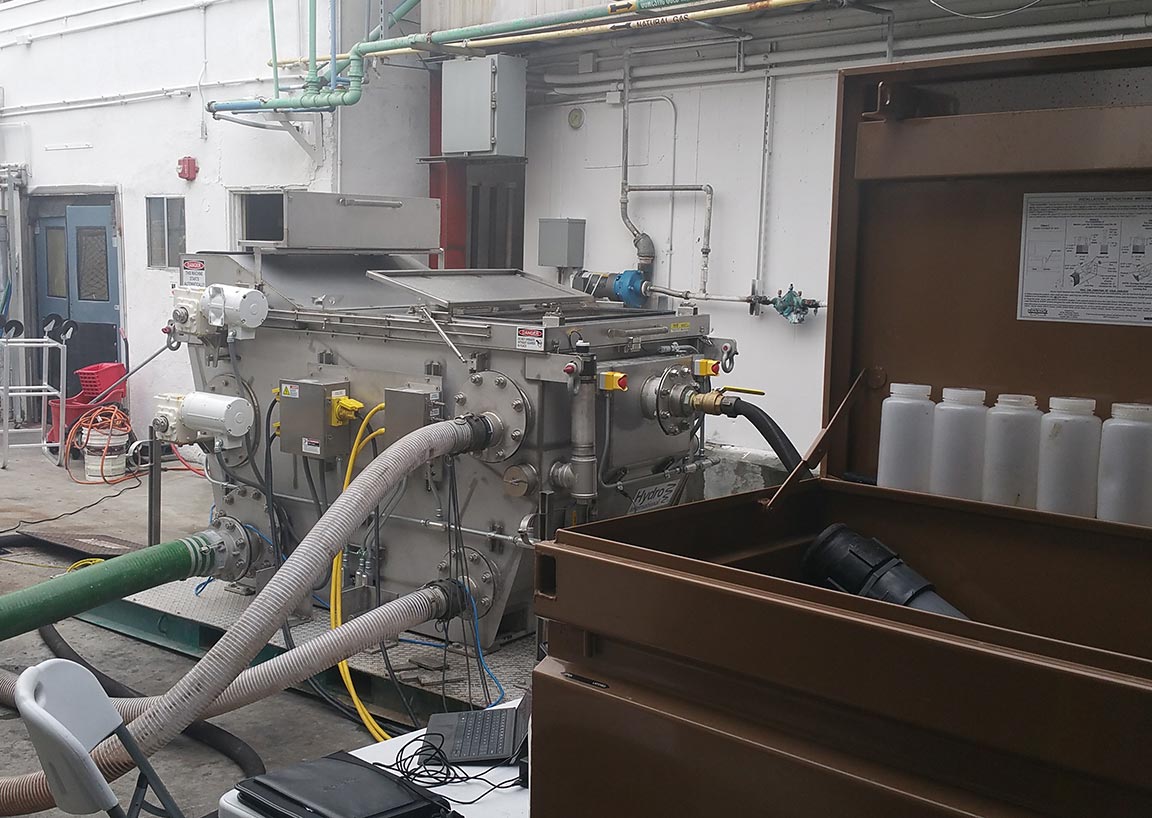
A. Operational testing at industrial facilities — including food processors, wineries, and tanneries — demonstrates that the Hydro MicroScreen™ removes TSS, VSS, BOD, COD, and FOG very effectively. Observed removal rates include over 90% for TSS, over 75% for BOD/COD, 90% for FOG, and approximately 50% for VSS.
Media