June 23, 2026
From Pilot to Standard Practice: How Gray-Green Infrastructure Innovations Gain Adoption
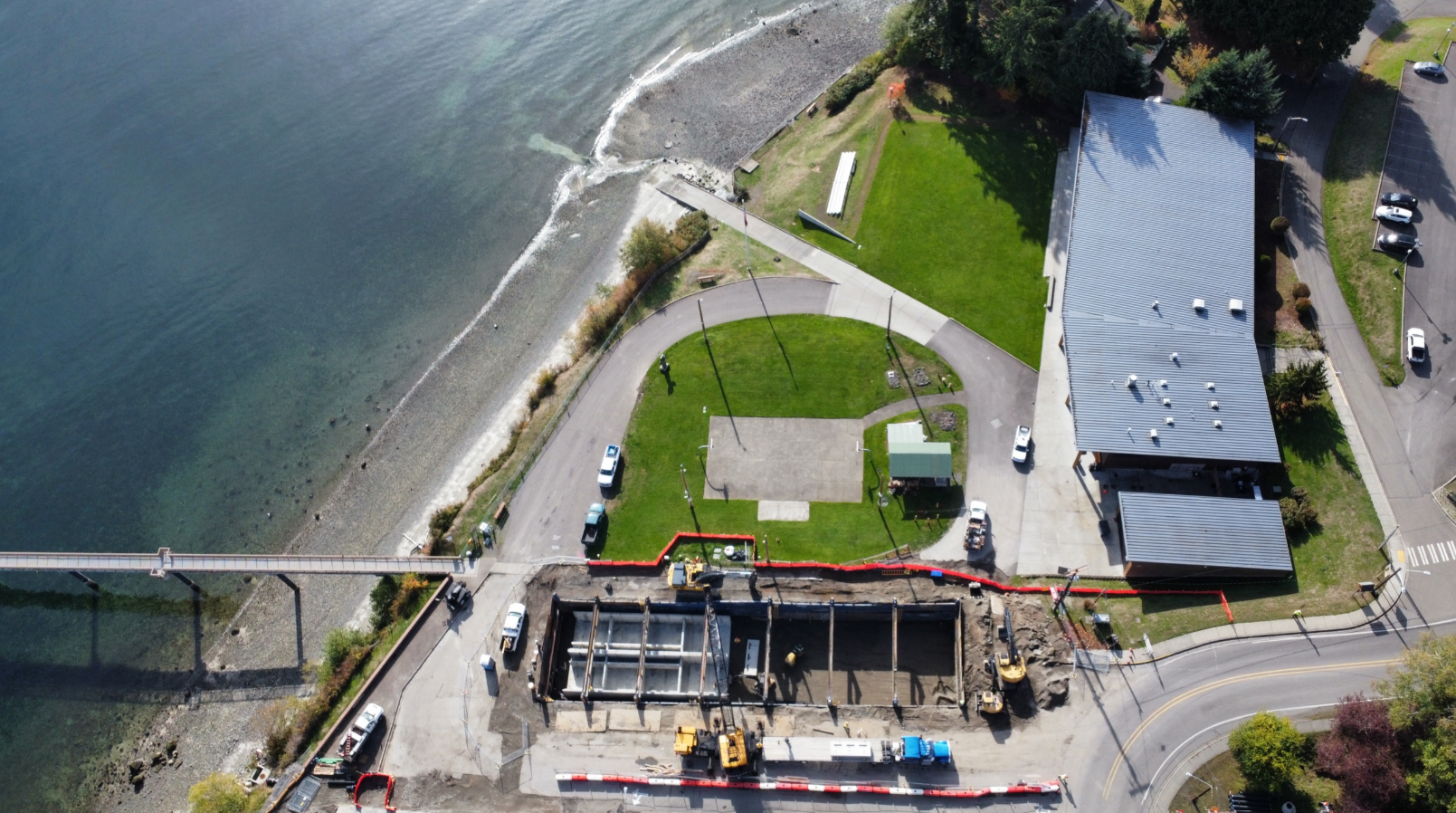
Did you know? Many of today’s most effective gray-green infrastructure solutions began as pilot projects.
Whether driven by space constraints, regulatory gaps, or emerging performance goals, pilot implementations allow agencies and designers to test new approaches under real‑world conditions. Over time, the most successful pilots evolve into accepted, repeatable standards for stormwater management.
Understanding how that transition happens is key to advancing gray-green infrastructure adoption at scale.
Why Pilot Projects Matter in Green Infrastructure
Pilot projects serve as a bridge between innovation and compliance. They allow project teams to implement gray-green infrastructure strategies that fall outside prescriptive design manuals while still meeting regulatory intent. Pilots are commonly used when:
- Sites are highly constrained
- Traditional gray-green infrastructure cannot meet footprint or performance targets
- New media or configurations are being introduced
- Regulators seek localized performance data
For agencies, pilots reduce risk by allowing evaluation before broader approval. For designers and owners, pilots unlock design flexibility that would otherwise be unavailable.
Performance Data Turns Innovation into Confidence
What ultimately moves gray-green infrastructure from pilot to standard practice is measurable performance. Successful pilots are supported by:
- Infiltration and drawdown testing
- Water quality sampling
- Visual inspections tied to storm events
- Documented operations and maintenance activities
When data shows that systems consistently meet or exceed treatment goals, regulators gain confidence that innovative gray-green infrastructure approaches can perform reliably over time.
Performance data also helps shift regulatory frameworks from rigid, prescriptive standards toward performance‑based acceptance.
Maintenance Visibility is Critical to Long-Term Acceptance
Even high-performing gray-green infrastructure systems face challenges if they appear difficult to maintain. Regulators increasingly evaluate not just how a system performs when new, but how it will function years into operation. Pilots that gain lasting approval typically demonstrate:
- Clear access for inspection and maintenance
- Straightforward maintenance procedures
- Predictable maintenance intervals
- Minimal reliance on specialized equipment
When agencies see that gray-green infrastructure systems can be maintained using existing resources, adoption accelerates.
Regional Approvals Drive Broader Adoption
Once pilot projects demonstrate success, they often inform:
- Updates to regional stormwater manuals
- Expanded media or system approvals
- Acceptance by neighboring jurisdictions
This creates a multiplier effect. A single successful pilot can reduce approval timelines and uncertainty for future projects across an entire region, turning innovation into repeatable practice.
The Gray-Green Infrastructure Adoption Path is Collaborative
The transition from pilot to standard practice rarely happens in isolation. It depends on collaboration between:
- Municipal agencies
- Regulators
- Design professionals
- Contractors and manufacturers
Clear communication, transparency in performance reporting, and willingness to adapt designs based on field observations are what ultimately turn pilot projects into trusted solutions.
From Testing Ground to Trusted Tool
Gray-green infrastructure innovation doesn’t replace regulation; rather, it refines it. Pilots provide a controlled way to prove new ideas, build regulatory confidence, and expand the toolbox available to stormwater professionals.
When successfully executed, pilot gray-green infrastructure projects don’t stay pilots for long; they become the next generation of standard practice.