September 10, 2026
Understanding Network Interface Devices (NIDs) and the Customer Demarcation Point
How NIDs support fiber broadband deployments by protecting critical connections, simplifying maintenance, and improving service reliability
As fiber broadband networks continue expanding into homes and businesses, ensuring reliable service delivery requires more than simply installing cable. Every network needs secure connection points where providers can terminate service, manage connections, and maintain infrastructure throughout the life of the network.
That critical connection point is known as the Network Interface Device, or NID.
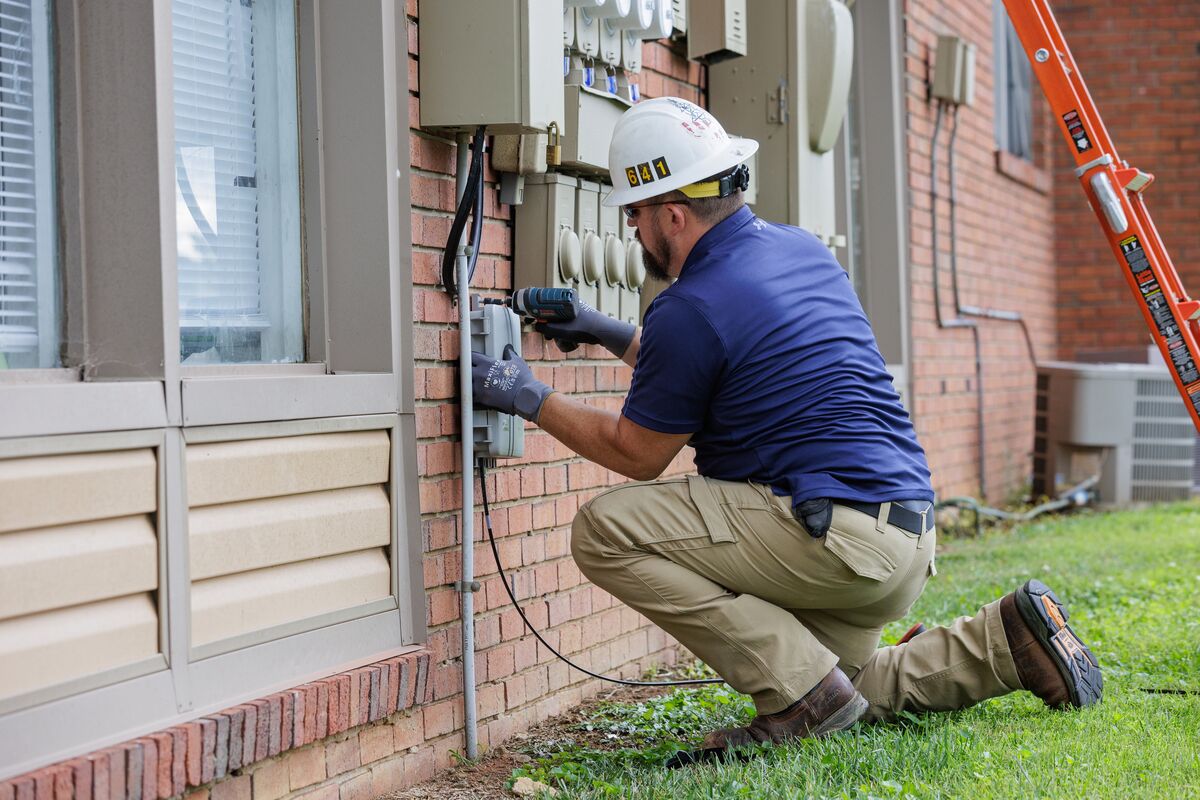
Often mounted on the exterior of a home or building, NIDs play an essential role in protecting network assets, simplifying service delivery, and creating a clear demarcation between the provider’s network and the subscriber’s location.
What Is a Network Interface Device?
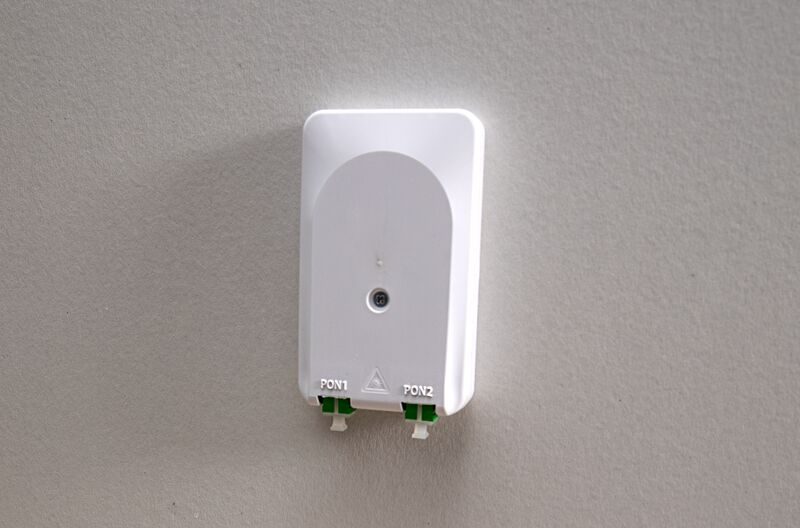
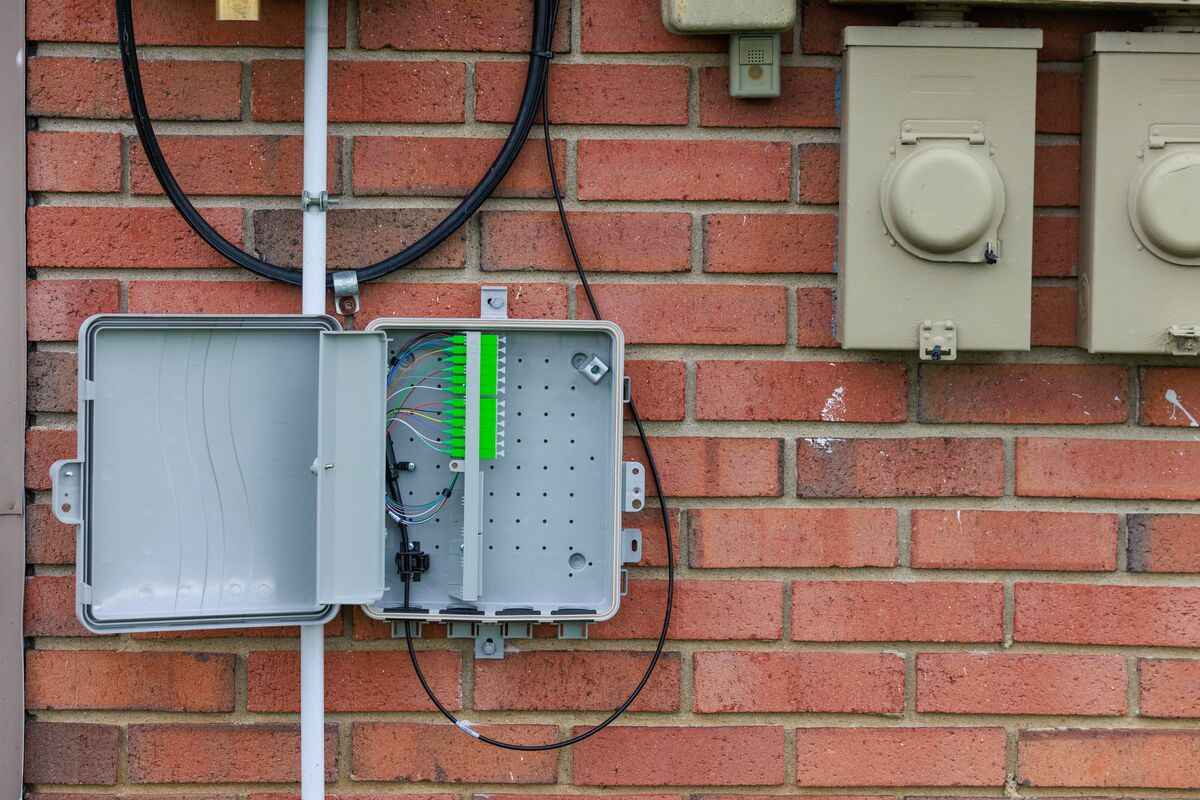
A Network Interface Device (NID) serves as the transition point between a service provider’s network and the customer’s premises. Sometimes referred to as a demarcation box or service termination point, the NID provides a secure enclosure where fiber connections can be terminated, organized, tested, and maintained.
While subscribers may never think about the box mounted on the side of their home, it serves as one of the most important components in the fiber network.
The NID protects critical connections while providing technicians with accessible service points that support installation, maintenance, troubleshooting, and future upgrades.
Why the Demarcation Point Matters
As broadband networks become more complex, having a dedicated customer demarcation point becomes increasingly important.
A properly designed NID allows service providers to:
- Activate subscriber services
- Test network performance
- Troubleshoot connectivity issues
- Perform routine maintenance
- Support future upgrades
- Protect network assets from environmental exposure
Without a designated demarcation point, technicians would have fewer options for diagnosing service issues and maintaining connections efficiently. By creating a secure transition between the outside plant network and the customer premise, NIDs help streamline operations while improving the overall subscriber experience.
Protecting Critical Fiber Infrastructure
Fiber optic networks provide exceptional speed and reliability, but they also require proper protection.
Connection points are especially vulnerable to environmental exposure, physical damage, and accidental disruptions. Rain, snow, heat, UV exposure, and even routine property maintenance can impact network performance if connections are not properly protected.
A high-quality NID enclosure helps safeguard fiber connections by providing:
- Environmental Protection: NIDs protect sensitive network components from weather, moisture, temperature fluctuations, and UV degradation.
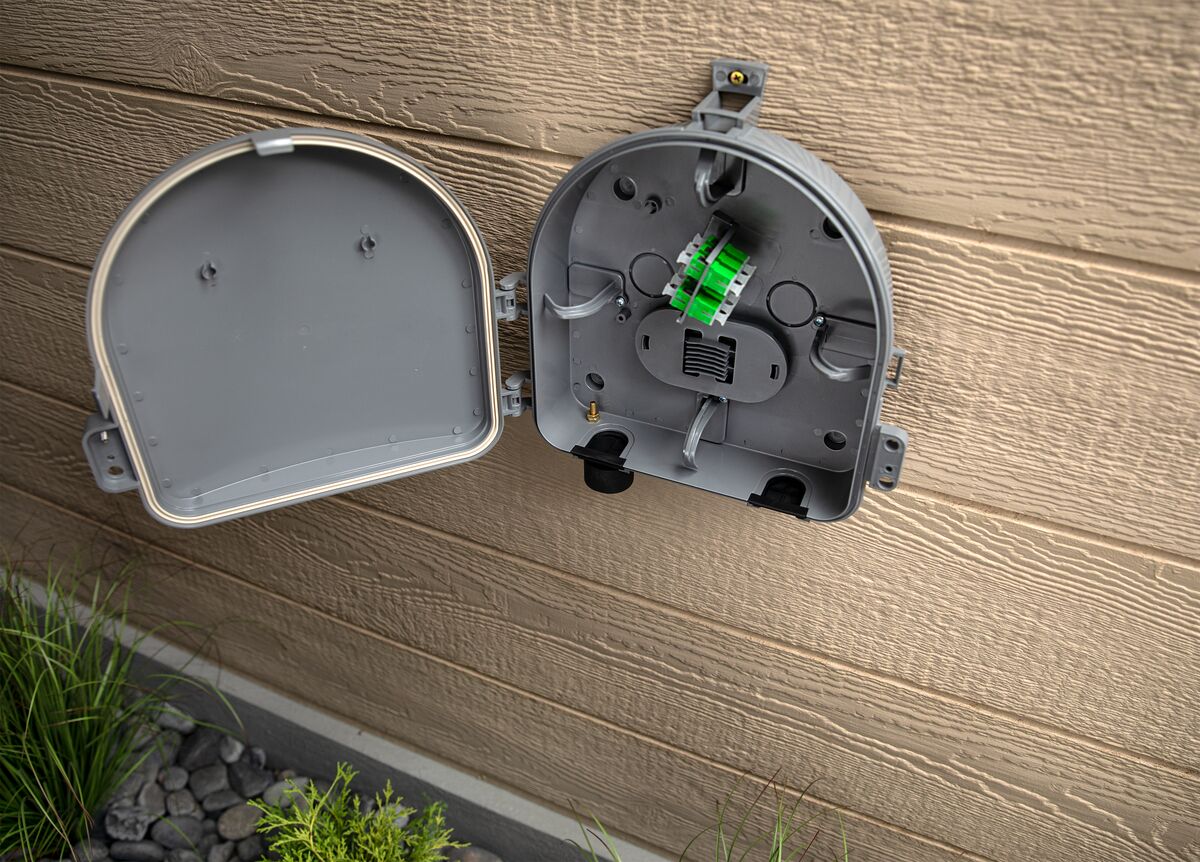
- Physical Protection: The enclosure shields connectors, cables, and splice points from accidental damage while maintaining organized cable management.
- Service Accessibility: Technicians can quickly access connection points when installations, upgrades, or troubleshooting activities are required.
Together, these capabilities help reduce service interruptions and improve long-term network reliability.
Flexibility Matters in Today’s Deployments
No two broadband deployments are exactly alike. Service providers must support a wide range of installation scenarios, including single-family homes, multi-dwelling units (MDUs), rural deployments, residential neighborhoods, and commercial properties.
At the same time, network architecture continues to evolve as operators deploy additional fiber, upgrade existing services, and plan for future technologies.
Modern NIDs must provide:
- Multiple connection options
- Flexible cable routing
- Slack storage capabilities
- Splicing support
- Easy technician access
- Durable construction
This combination of flexibility and reliability helps operators deploy infrastructure more efficiently while adapting to changing network requirements.
NID Solutions for Every Application
Oldcastle Infrastructure’s Primex product line offers one of the industry’s most comprehensive portfolios of Network Interface Devices, providing solutions that support everything from single-family residences to larger multi-subscriber deployments.
- P250: The P250 NID is a good option for single-family applications where wall space is limited. This enclosure can be configured for patch and splicing up to two fibers.
- P350: The compact P350 NID is ideal for single-family applications requiring patch and splice functionality. Its modular design supports multiple connection points while maintaining a compact footprint.
- P700: For applications requiring additional space and fiber management flexibility, the P700 NID provides increased capacity while retaining easy installation and serviceability.
- P1000 and P1500: Designed for larger installations, multi-dwelling units, and commercial environments, the P1000 and P1500 support greater connection density and advanced fiber management capabilities.
- 6UFT: The innovative 6UFT Universal Fiber Terminal is designed to support both single-family and multi-subscriber applications. Offering up to six connection points, generous slack storage capacity, and bend-radius protection features, the 6UFT helps providers simplify installations while protecting network performance.
Conclusion
As fiber broadband deployment continues to accelerate, NIDs remain one of the most important components in the customer connectivity journey. By providing a secure demarcation point, protecting critical connections, and supporting efficient service delivery, NIDs help ensure reliable broadband performance long after installation is complete.
Oldcastle Infrastructure’s Primex NIDs are designed to meet the evolving needs of today’s network operators, delivering the flexibility, durability, and scalability required to support both current deployments and future growth.