September 10, 2026
Addressing the Labor Challenge in Fiber Network Construction
How modular fiber infrastructure and simplified installation solutions help broadband providers overcome workforce challenges
A Workforce Under Pressure
The broadband industry is experiencing unprecedented growth. Driven by fiber-to-the-home (FTTH) initiatives, rural broadband expansion programs and the ongoing demand for faster connectivity, service providers are racing to build and upgrade networks across North America. At the same time, many organizations are facing a significant challenge: finding enough skilled labor to support these deployments.
Experienced telecommunications professionals are retiring, while demand for new construction continues to rise. The result is a workforce gap that can slow deployment schedules, increase operational costs and make it more difficult to meet subscriber expectations.
For network operators, the question is no longer simply how to build the network. It’s how to build it faster, more efficiently and with fewer available resources.
Labor Is One of the Largest Costs in Fiber Deployment
While materials and equipment are essential components of any fiber project, labor remains one of the largest contributors to overall deployment costs.
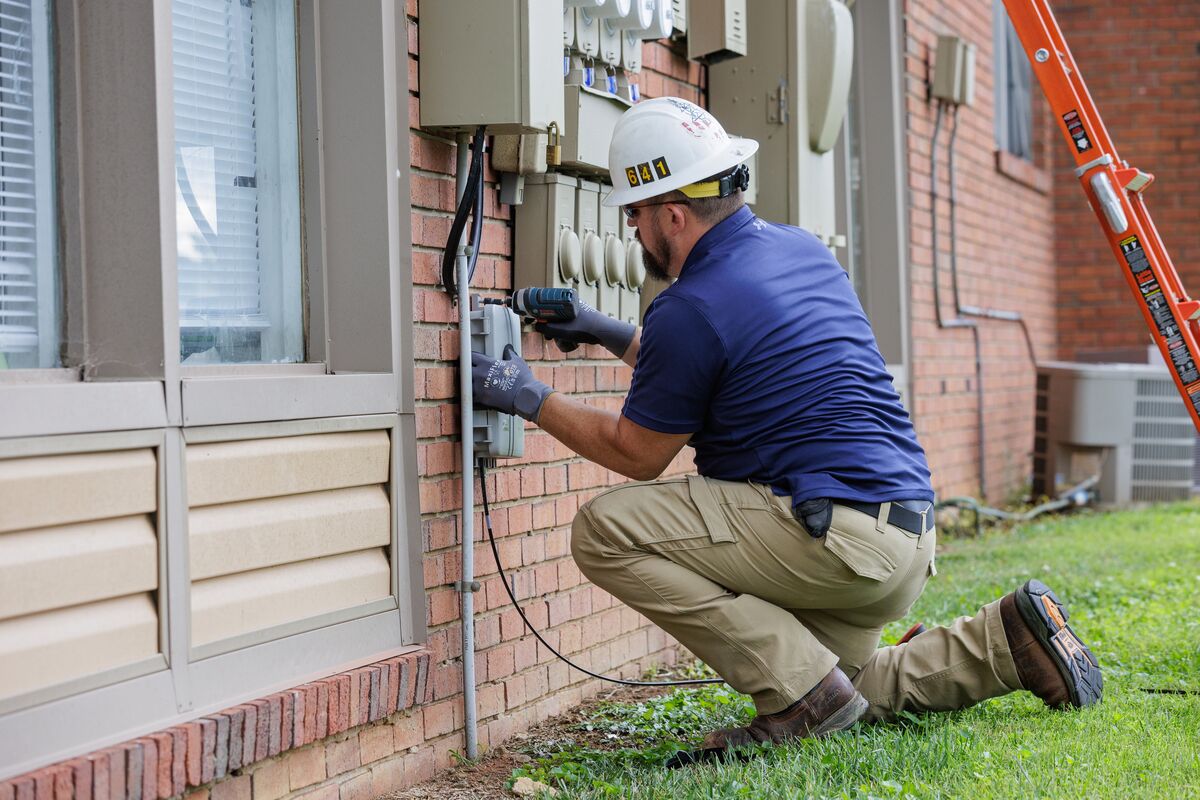
Every hour spent configuring equipment in the field, troubleshooting installation issues or returning to a site for additional work adds cost and complexity. Truck rollbacks alone can significantly impact project budgets, particularly when technicians must revisit locations to correct installation errors or perform unexpected maintenance.
As providers continue expanding their networks, reducing labor-intensive tasks has become a key strategy for improving deployment efficiency and controlling costs.
Simplicity Equals Speed
One of the most effective ways to address workforce challenges is to simplify the installation process itself.
Products designed with technicians in mind can deliver meaningful benefits, including:
- Shorter installation times
- Reduced training requirements
- Faster subscriber activations
- Improved installation consistency
- Fewer service callbacks and truck rollbacks
- Lower operational costs
When technicians can quickly understand and configure equipment, providers can complete projects faster while maintaining installation quality across a variety of deployment environments.
Standardization Drives Efficiency
As fiber networks continue to expand, standardization has become increasingly valuable.
Modular products with shared components, common mounting methods and familiar installation procedures help technicians work more efficiently from one project to the next. Instead of learning multiple systems or adapting to different installation methods for each application, field crews can rely on consistent workflows that improve productivity and reduce the likelihood of mistakes.
Standardized solutions also simplify inventory management, training programs and ongoing maintenance operations, creating efficiencies that extend well beyond the initial installation.
The Need for Future-Ready Installation Solutions
The labor challenge isn’t expected to disappear anytime soon. As broadband demand continues to grow, providers will need solutions that help maximize the productivity of existing teams while making it easier to onboard and train new technicians.
Solutions that are intuitive, flexible and easy to configure can help organizations scale more effectively while supporting long-term network growth.
The Solution: Our NIDs and Modular Connectivity Solutions
Oldcastle Infrastructure’s line of Primex solutions help simplify deployment and reduce installation complexity without sacrificing performance.
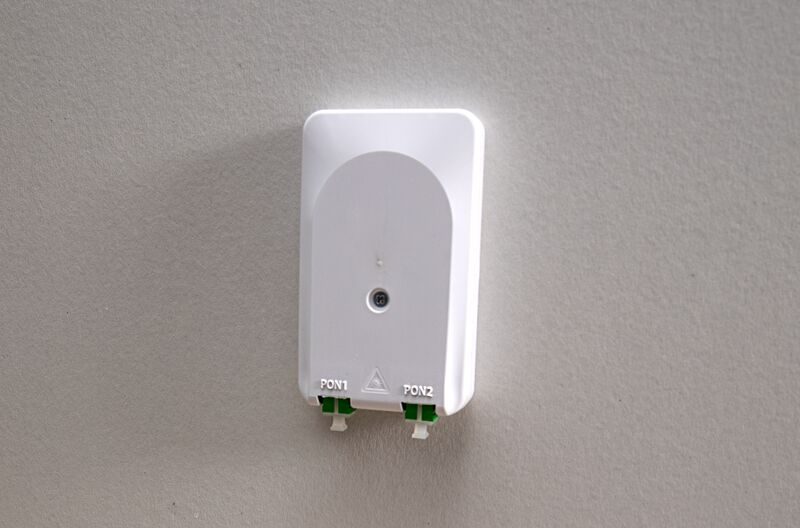
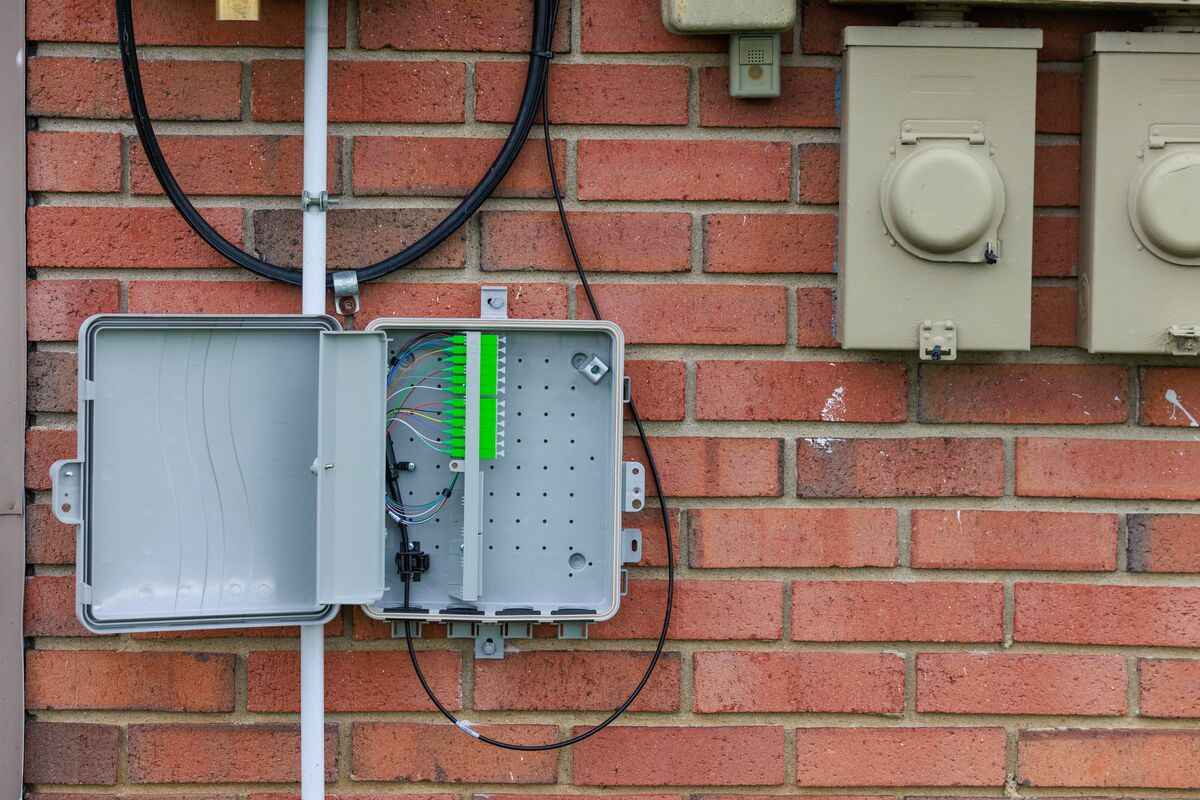
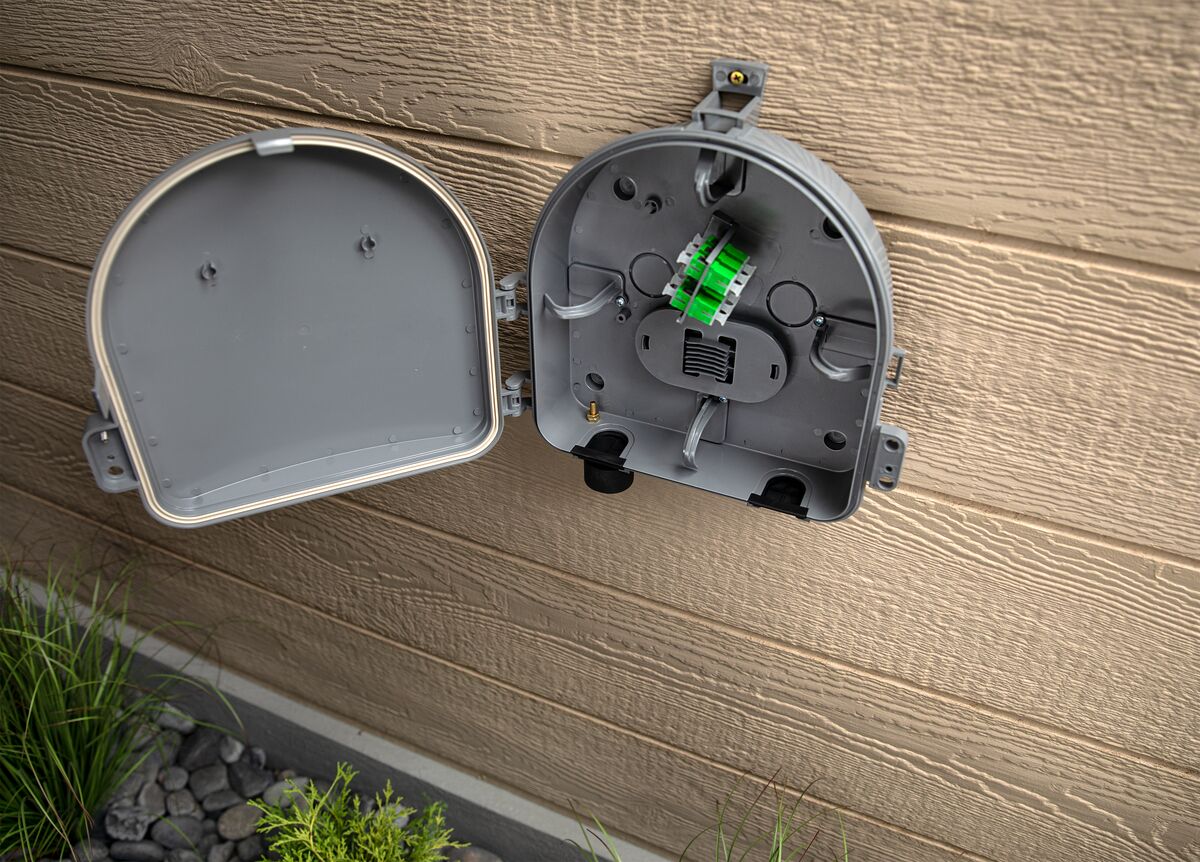
Our portfolio of Network Interface Devices (NIDs), including the P350, P700 and 6UFT, features modular designs, organized cable management and flexible configuration options that support a wide range of deployment scenarios. Common accessories, standardized mounting approaches and intuitive layouts help technicians work faster and more confidently in the field.
The P350 provides a compact solution for single-family residential installations, while the P700 offers additional capacity and flexibility when more space is required. For operators seeking scalable connectivity solutions, the 6UFT supports up to six subscriber connections while providing advanced cable management features and substantial slack storage capacity.
Together, these solutions help reduce installation time, simplify technician training and improve deployment consistency across fiber networks.
Conclusion
As broadband providers continue navigating workforce shortages and increasing deployment demands, solutions that support efficiency will play an increasingly important role.
By combining modular design, installation flexibility and technician-friendly features, our line of Primex products help make every technician more productive, supporting faster network rollouts and more reliable service delivery.
Learn more:
- Discover our Primex solutions