June 1, 2026
Aging Substations, Rising Risk: How Utilities Can Reinforce Critical Electrical Infrastructure
Aging Assets Meet Modern Grid Demands
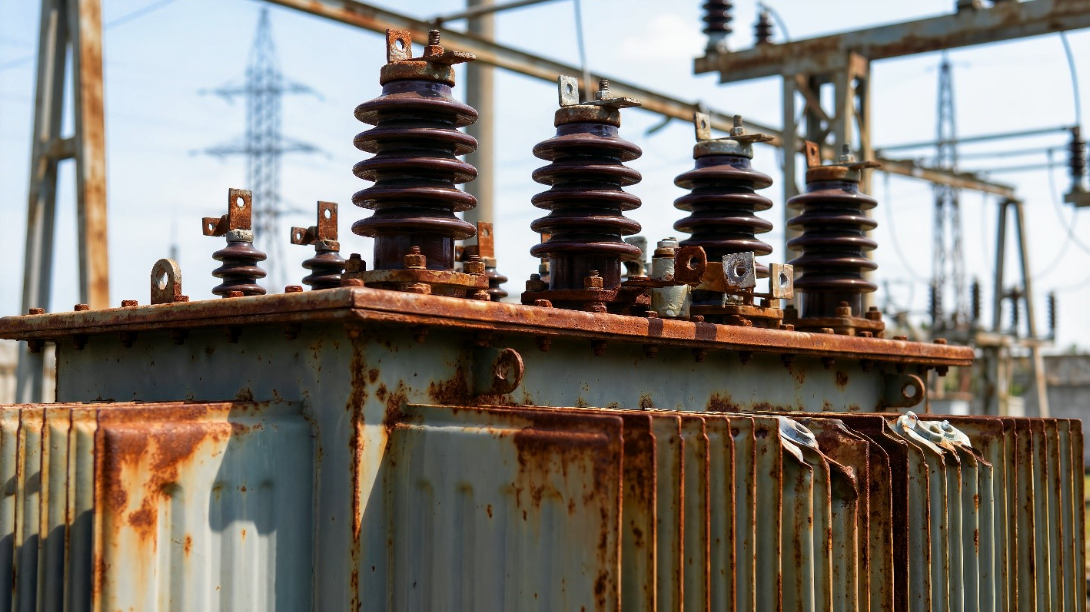
Aging substations are under increasing strain across North America, with the average age of substations being over 40 years old. long before today’s load growth, renewable integration, heightened reliability expectations, and evolving safety standards. As these assets age, deterioration often occurs out of sight, until failures surface with serious operational and public safety consequences.
Substations are being asked to do more with infrastructure that was never designed for today’s risks. Concrete breakdown, corrosion, water intrusion, and ground movement all contribute to weakened underground systems that house critical electrical and communications infrastructure.
Why “Fixing What’s Broken” Is No Longer Enough
For utilities, substation failures are rarely isolated events. When trench systems, vaults, or protective enclosures degrade, the result can be damaged cables, compromised automation, and elevated risk to personnel working around energized equipment. Outages in these environments are costly, and in many cases, unacceptable.
Utilities face a difficult challenge: how to strengthen critical infrastructure without extended downtime, major site disruption, or added safety exposure. Traditional repair approaches often involve heavy construction methods, full asset removal, or long cure times that simply don’t align with the operational realities of live substations.
Designing for Protection, Access, and Continuity
Forward‑looking utilities are shifting toward protective infrastructure strategies that prioritize containment, accessibility, and long‑term durability. Rather than replacing assets only after failure, these strategies focus on systems designed to:
- Protect cables and control systems from environmental and physical damage
- Improve safety for crews working in energized environments
- Allow upgrades or retrofits within constrained footprints
Modular, non‑conductive, and corrosion‑resistant solutions now enable utilities to reinforce substations incrementally without destabilizing grid operations.
How Oldcastle Infrastructure Supports Utility Objectives
Oldcastle Infrastructure partners with utilities to address substation risk through engineered field‑proven solutions tailored to high‑voltage and high‑consequence environments. Depending on project needs, solutions include:
- Cable trench systems and covers engineered to protect
- Underground enclosures and vaults that protect critical communications and controls
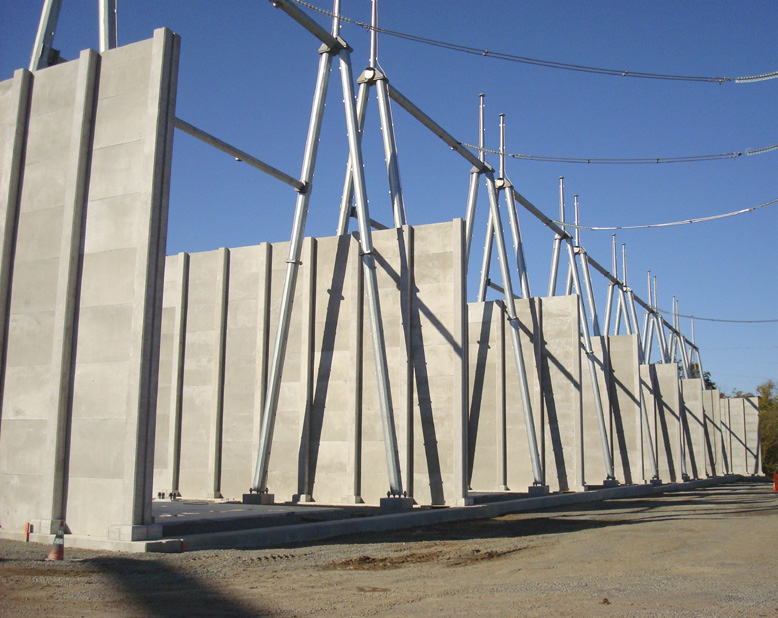
- Protective barriers and structural components that enhance safety and asset separation
These solutions are designed to support energized work, reduce maintenance exposure, and extend asset life, which are all key priorities for utilities managing complex, aging networks.
Building Resilience Where It Matters Most
Modernizing substations is not only about compliance or repair but also about safeguarding the backbone of the grid. By investing in protective infrastructure that aligns with real‑world constraints, utilities can reduce risk, extend lifecycle performance, and strengthen confidence in system reliability.
For substation design teams tasked with maintaining continuity in critical regions, Oldcastle Infrastructure delivers solutions that reinforce substations from the ground up, without compromising safety or operations.
Learn more:
- Discover our solutions in the energy segment
- View our Plastibeton product page
- Learn more about our Fire and Antiballistic Security Walls