September 10, 2026
BABA Compliance and Broadband Expansion: What Service Providers Need to Know
How Build America, Buy America (BABA) requirements are shaping broadband infrastructure projects
Federal broadband investments are creating unprecedented opportunities for network operators across the United States. Programs such as the Broadband Equity, Access, and Deployment (BEAD) Program are providing funding to help expand broadband access to underserved and unserved communities, accelerating fiber deployment nationwide.
Another objective of the BEAD funding is to stimulate economic opportunities for domestic manufacturers. The legislation includes a requirement for the service providers to qualify for the federal funding is complying with the Build America, Buy America Act (BABA) requirements.
What Is Build America, Buy America?
The Build America, Buy America Act was established to prioritize the use of domestically manufactured materials and products in federally funded infrastructure projects.
The goal is to strengthen American manufacturing, support domestic jobs, and promote investment in U.S.-based production facilities.
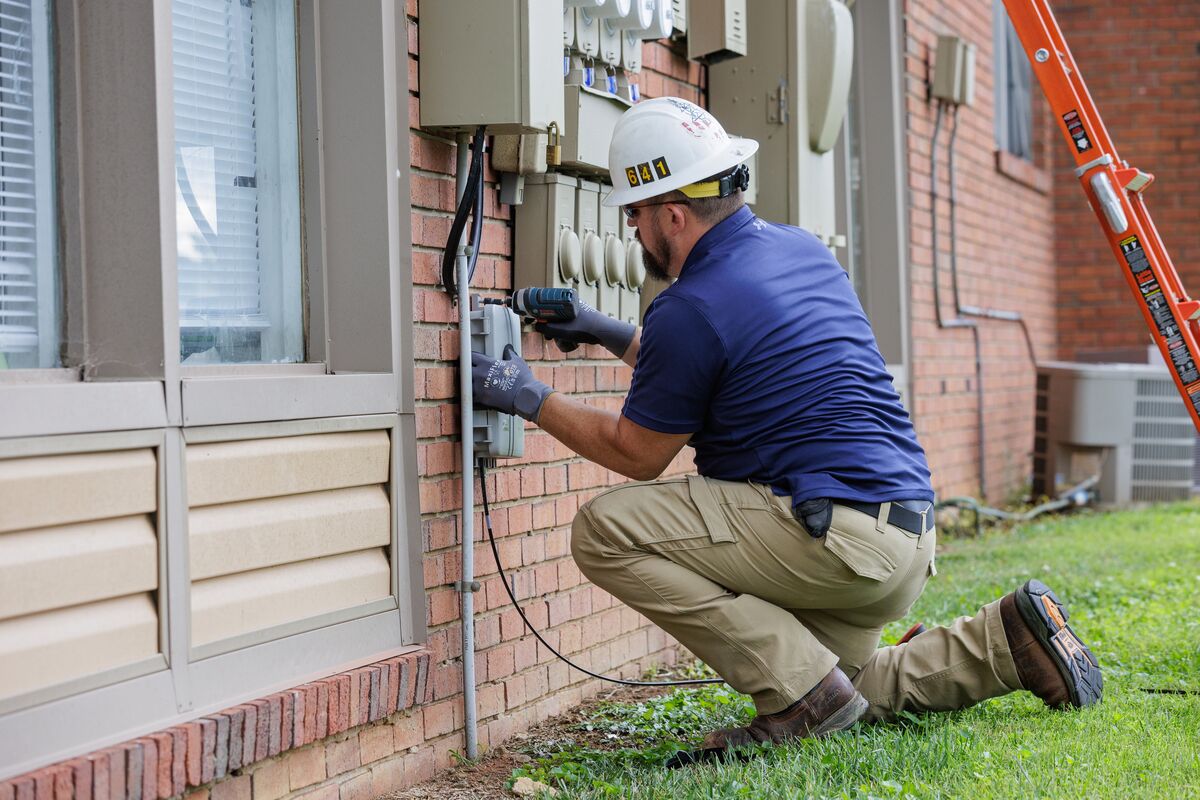
Broadband service providers pursuing government-funded construction projects, compliance with BABA requirements will impact the product selection process for the products for building out their network. This impacts fiber cables, multiple types of enclosures including NID demarcation enclosures media panels.
As funding opportunities continue to expand, operators are placing greater emphasis on sourcing infrastructure solutions that align with these requirements.
Why Compliance Matters for Broadband Providers
For service providers participating in federally funded broadband initiatives, compliance is about more than checking a box.
Project delays can occur when products do not meet funding requirements or when sourcing documentation is inadequate. Providers must ensure that product selections align with program guidelines while maintaining deployment schedules and performance standards.
Key considerations include:
- Project Eligibility: Selecting compliant products can help support funding requirements tied to federal broadband programs.
- Procurement Efficiency: Using suppliers that offer compliant solutions may simplify the product selection and procurement process.
- Long-Term Planning: As funding programs continue to drive broadband expansion, operators are increasingly seeking products that align with both current and future compliance requirements.
By addressing compliance early in the design process, providers can reduce risk and keep projects moving forward.
Broadband Expansion Requires Trusted Infrastructure Partners
The rapid pace of broadband construction has increased the importance of working with suppliers that understand both deployment challenges and regulatory requirements.
Network operators need solutions that deliver more than compliance alone. Products must also provide:
- Long-term durability
- Reliable performance
- Simplified installation
- Scalable network support
- Flexible deployment options
Finding suppliers that can meet these technical requirements while supporting domestic manufacturing initiatives can help streamline project execution and reduce complexity.
Future Demand Is Driving Infrastructure Decisions
As fiber networks expand deeper into communities, providers are making infrastructure investments that must support network growth for years to come.
Today’s networks must accommodate rising bandwidth demands, smart home technologies, evolving Wi-Fi standards, and future subscriber growth.
That means selecting infrastructure that supports both performance and compliance objectives.
Forward-thinking operators are increasingly evaluating products not only for today’s deployment but also for their ability to support future funding initiatives and network expansion strategies.
BABA-Compliant Solutions for Broadband Networks
Oldcastle Infrastructure helps service providers address compliance requirements while supporting reliable broadband deployment through our Primex product line. Through domestic manufacturing operations in our Hector, Minnesota facility, we offer BABA-compliant solutions designed to support federally funded broadband projects.
This includes key customer-premise infrastructure such as:
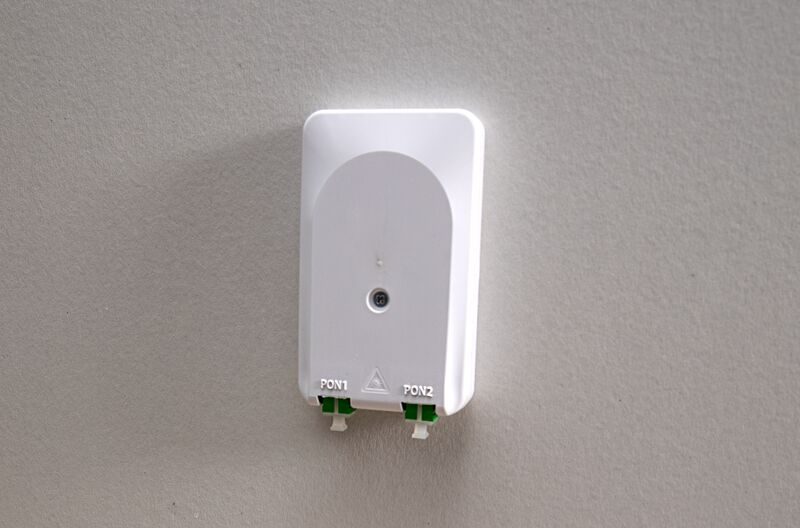
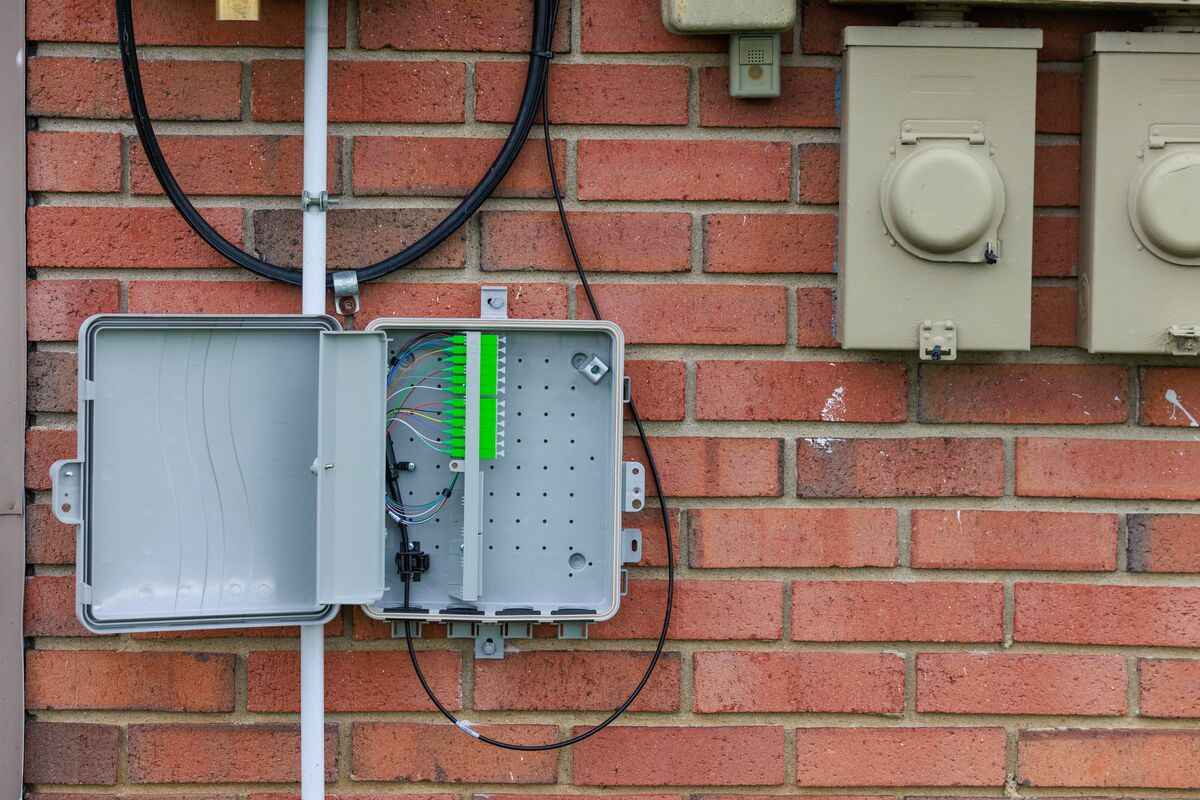
- Network Interface Devices (NIDs): Our NIDs provide secure demarcation points that protect fiber connections, simplify maintenance, and support subscriber service activation. Solutions include the P250, P350, P700, P1000, P1500, and the innovative 6UFT Universal Fiber Terminal.
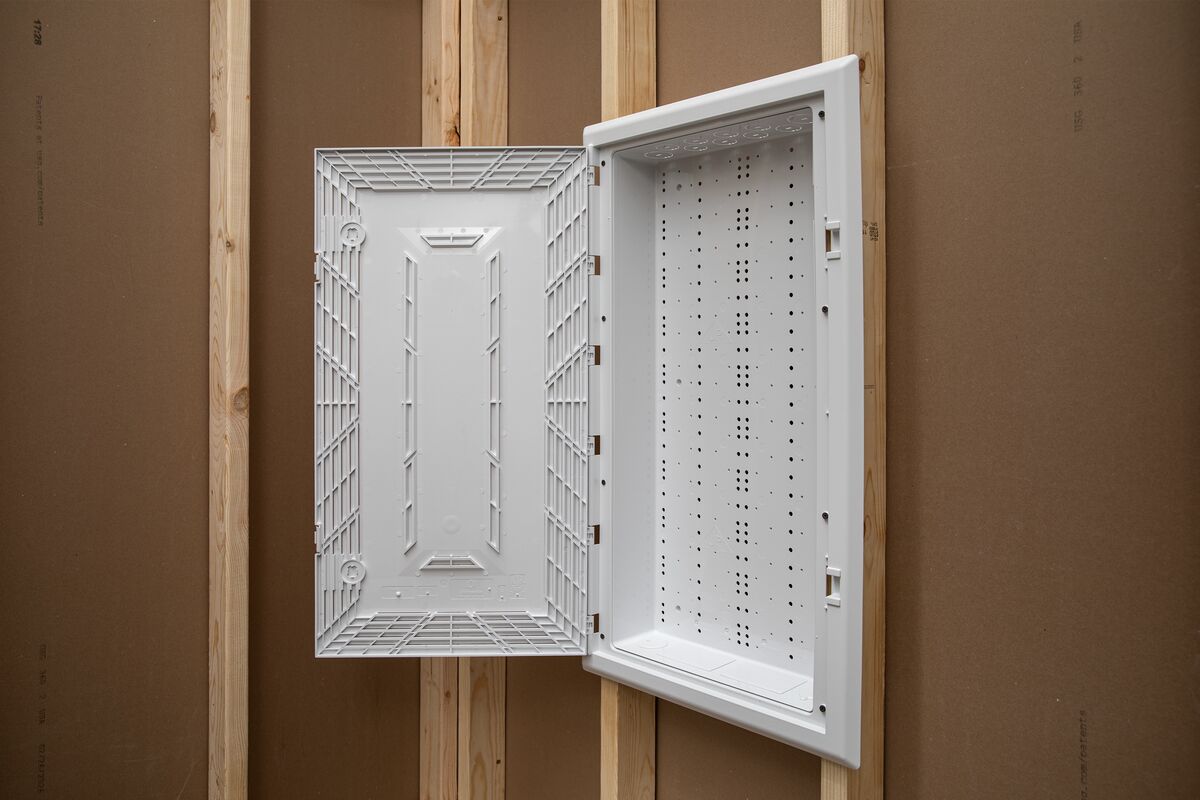
- Media Panels: Our structured media panels create centralized connectivity hubs inside the home or building, helping organize equipment while supporting future technology upgrades. Available in a range of configurations, these panels provide flexible solutions for both residential and multi-dwelling applications.
Together, our NIDs and media panels offer end-to-end network support, helping create a seamless connection path from the service provider network to the subscriber environment while supporting the deployment requirements of federally funded projects.
Conclusion
Federal broadband funding programs are accelerating network expansion across the country, creating new opportunities for service providers to extend connectivity to more communities. As these investments continue, Build America, Buy America compliance will remain an important factor in infrastructure planning and procurement.
By working with suppliers that offer domestically manufactured, BABA-compliant solutions, providers can better position themselves for project success while supporting long-term network growth.
Oldcastle Infrastructure helps meet that need with a growing portfolio of BABA-compliant NIDs and media panels from our Primex product line that are designed to support reliable broadband deployments, future scalability, and the evolving requirements of today’s communications industry.
Learn more:
- Discover the benefits of our Primex solutions.