June 23, 2026
The Role of Precast Systems in Scalable Gray-Green Infrastructure
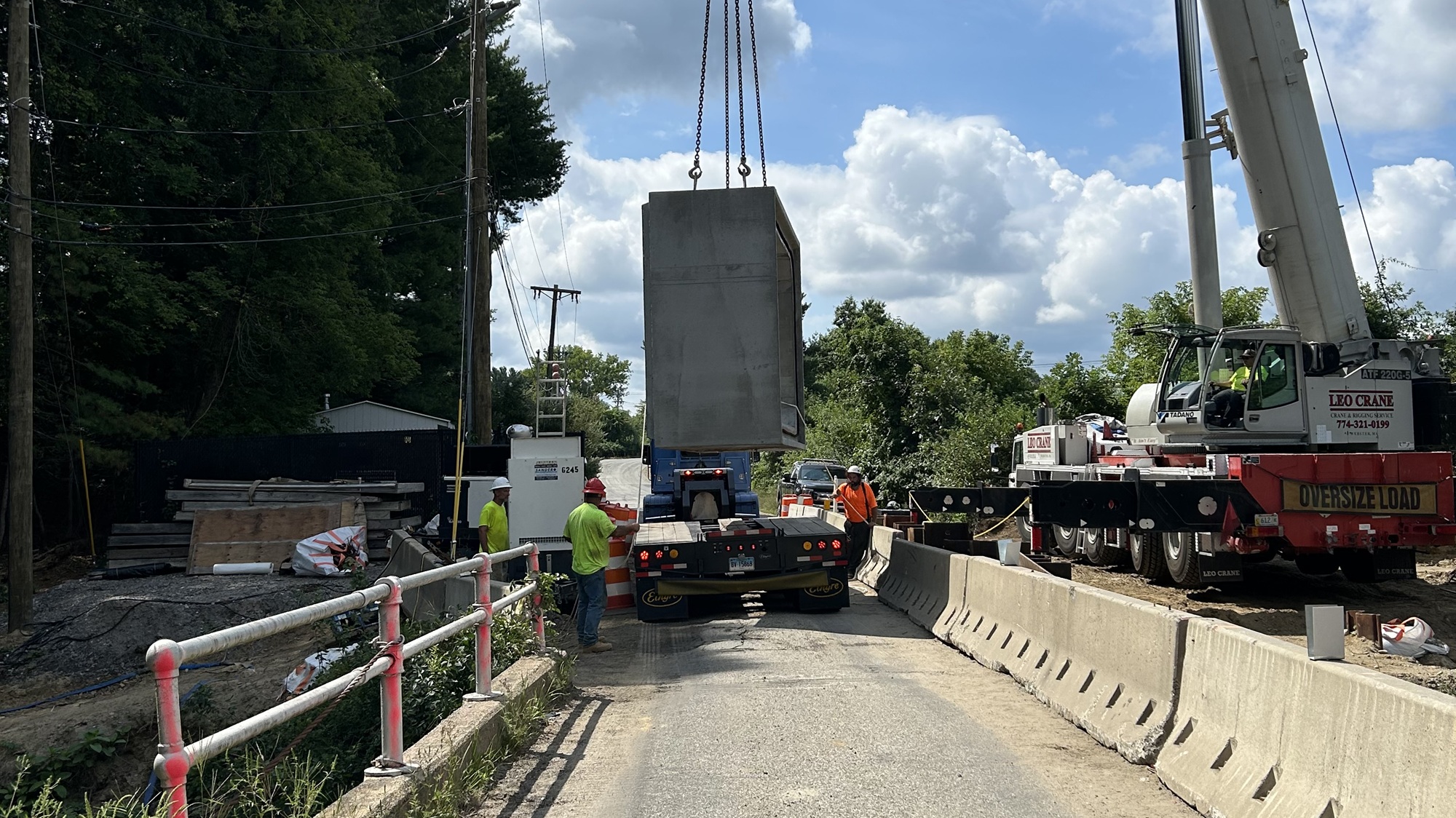
As gray-green infrastructure moves from pilot projects to widespread adoption, scalability has become a critical consideration.
Municipalities and agencies are no longer asking whether gray-green infrastructure works; rather, they’re asking how to deliver it consistently, cost‑effectively, and at scale. Precast systems play a central role in making that transition possible.
By combining engineered performance with manufacturing efficiency, precast solutions enable gray-green infrastructure to be deployed across a wide range of site conditions and project sizes.
Why Scalability Matters in Green Infrastructure
Many early gray-green infrastructure projects were highly customized, site-specific installations. While effective, these approaches can be difficult to replicate broadly due to:
- Extended design timelines
- Variable construction quality
- Increased on-site labor
- Uncertain long-term performance
Scalable gray-green infrastructure solutions must deliver consistent results while adapting to diverse site constraints. Precast systems help bridge that gap.
Consistency Through Controlled Manufacturing
One of the biggest advantages of precast gray-green infrastructure components is quality control. Manufactured in controlled environments, precast systems offer a variety of benefits, including:
- Consistent dimensions and tolerances
- Repeatable structural and hydraulic performance
- Reduced variability compared to cast-in-place construction
This consistency is especially important for regulatory approval and long-term maintenance, where predictable system behavior is essential.
Speed and Constructability Benefits
Construction schedules are often one of the biggest challenges for gray-green infrastructure projects, particularly in active urban corridors or retrofits. Precast systems support faster installation by:
- Reducing on-site forming and curing time
- Allowing parallel production and site preparation
- Simplifying sequencing and coordination
Faster installation not only lowers construction risk but also minimizes disruption to surrounding communities, traffic, and operations.
Flexibility Without Sacrificing Standardization
Scalable does not mean inflexible. Modern precast gray-green infrastructure systems can be adapted to meet site-specific needs while retaining standardized components. This flexibility supports:
- Variable depths and footprints
- Integration with flow control structures
- Custom access configurations for maintenance
- Compatibility with both traditional and high-flow media
By standardizing the core structure while customizing key elements, precast enables both efficiency and project-specific optimization.
Supporting Maintenance and Lifecycle Performance
Long-term performance is central to scalable gray-green infrastructure adoption. Precast systems allow designers to bake maintenance considerations into the structure itself, including:
- Integrated access openings
- Dedicated maintenance zones
- Built-in ladders or safety features
These features reduce lifecycle costs and help ensure gray-green infrastructure systems continue performing as designed, which is an essential factor for agencies managing multiple facilities.
Enabling Broader Gray-Green Infrastructure Adoption
As cities and agencies expand their gray-green infrastructure programs, precast systems provide a reliable foundation for repeatable, high-performing solutions. By combining predictability, constructability, and adaptability, precast plays a key role in moving green infrastructure from one-off installations to standardized practice.
Scalable gray-green infrastructure isn’t just about bigger systems; rather, it’s about smarter delivery. Precast makes that possible.