July 8, 2026
Wastewater Plants Gain Momentum as Utilities Seek Smarter Upgrades
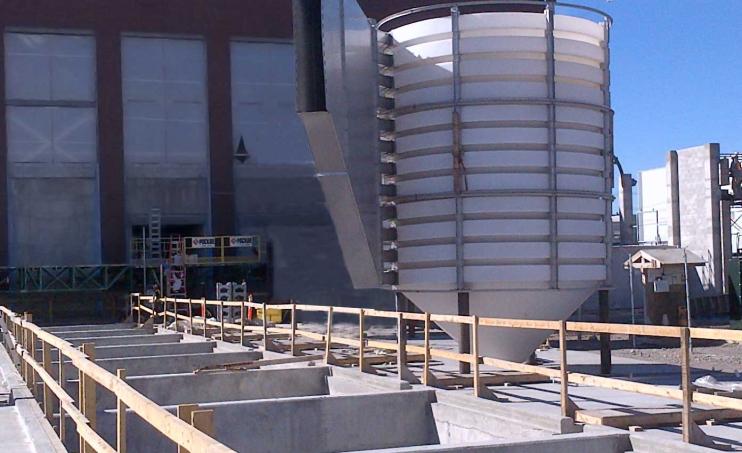
As wastewater treatment infrastructure across the United States continues to age, utilities are increasingly turning to plant upgrades instead of costly full-scale replacements. This trend reflects a broader shift toward targeted, high-impact upgrades that improve performance, expand capacity, and support regulatory compliance while minimizing disruption and capital expense.
Upgrading wastewater facilities allows communities to modernize existing assets, extend facility life, and adapt to rising flows and stricter discharge limits. Among the most impactful upgrade strategies is improving headworks performance, particularly fine grit removal.
Upstream Grit Removal Improves Treatment Efficiency
Grit management is a critical but often underestimated factor in wastewater treatment performance. Fine grit that escapes conventional systems can abrade pumps, clog pipelines, reduce process treatment efficiency and capacity, and accelerate wear on downstream equipment. Over time, this results in higher maintenance costs, unplanned downtime, and shortened asset life.
Modern upgrade technologies are designed to capture fine grit early in the process, including particles that traditional aerated or vortex basins often miss. By improving grit removal at the headworks, facilities can protect critical downstream infrastructure, stabilize operations, and improve overall process reliability.
Increasing Capacity Without Expanding the Footprint
Many wastewater plants face growing hydraulic loads but lack the physical space or budget for expansion. Space efficient upgrade solutions are emerging as a practical answer. These systems are designed to fit within existing channels or basins, minimizing costly concrete work or facility reconfiguration.
By maximizing performance within the existing footprint, utilities can increase treatment capacity, accommodate future growth, and defer major capital projects, all while keeping plants online during installation.
Lower O&M Costs, More Consistent Operations
Another major driver behind the upgrade trend is operational efficiency. Advanced hydraulic grit removal systems typically have no moving parts, which translates into lower energy use, reduced maintenance, and fewer mechanical failures. Early-stage grit removal also helps prevent clogs and protect downstream processes such as aeration and biological treatment.
The result is more consistent daily operation and lower total cost of ownership over the life of the facility.
Extending Asset Life and Delaying Major Replacements
Grit abrasion is a leading cause of premature deterioration in mechanical equipment. Upgrading headworks to remove fine grit earlier can significantly slow this degradation. By preserving the capacity and performance of downstream assets, utilities can extend the useful life of existing processes and delay expensive full replacements.
Proven Results from Real-World Upgrades
At a midsize municipal treatment plant in the Southeast, a headworks upgrade was implemented to address excessive grit bypass and a 30% increase in average flow over seven years. The upgrade reused existing structures while installing a compact, high-efficiency grit removal system.
Post-upgrade results included:
- Peak flow capacity increased by more than 35%
- ≥95% removal of grit particles ≥75 microns
- Cleaner, drier grit that reduced landfill hauling by 50%
- Minimal maintenance required more than two years after commissioning
These outcomes highlight why wastewater plant upgrades, especially those focused on fine grit removal, are becoming a preferred strategy for utilities seeking measurable performance gains and long-term value.
Learn more:
- Discover the benefits of HeadCell
- Learn more about our solutions for Advanced Grit Management
- Request a Presentation