May 4, 2026
Designing for Reliability: Why Fire and Physical Protection Are Now Core Grid Requirements
The Growing Impact of Substation Fire Risk
As substations become increasingly dense and interconnected, the consequences of a single localized failure grow exponentially. Fire events, whether triggered by electrical faults, equipment failure, or external sources, can quickly escalate, damaging adjacent assets and destabilizing the grid. Preventing fire propagation is no longer a secondary consideration; rather, it has become fundamental to grid reliability planning.
From Response to Containment
Utilities are creating plans that combine the strength of fire response and suppression with the strategic approach of segmentation and containment strategies to limit damage before it spreads.
This resilience‑first approach focuses on:
- Isolating critical equipment to prevent cascading failures
- Reducing blast and heat exposure to adjacent assets
- Preserving operability during worst‑case scenarios
Fire and physical barriers are now viewed as an essential layer of protection, not an optional add‑on.
The Retrofit Challenge Facing Utilities
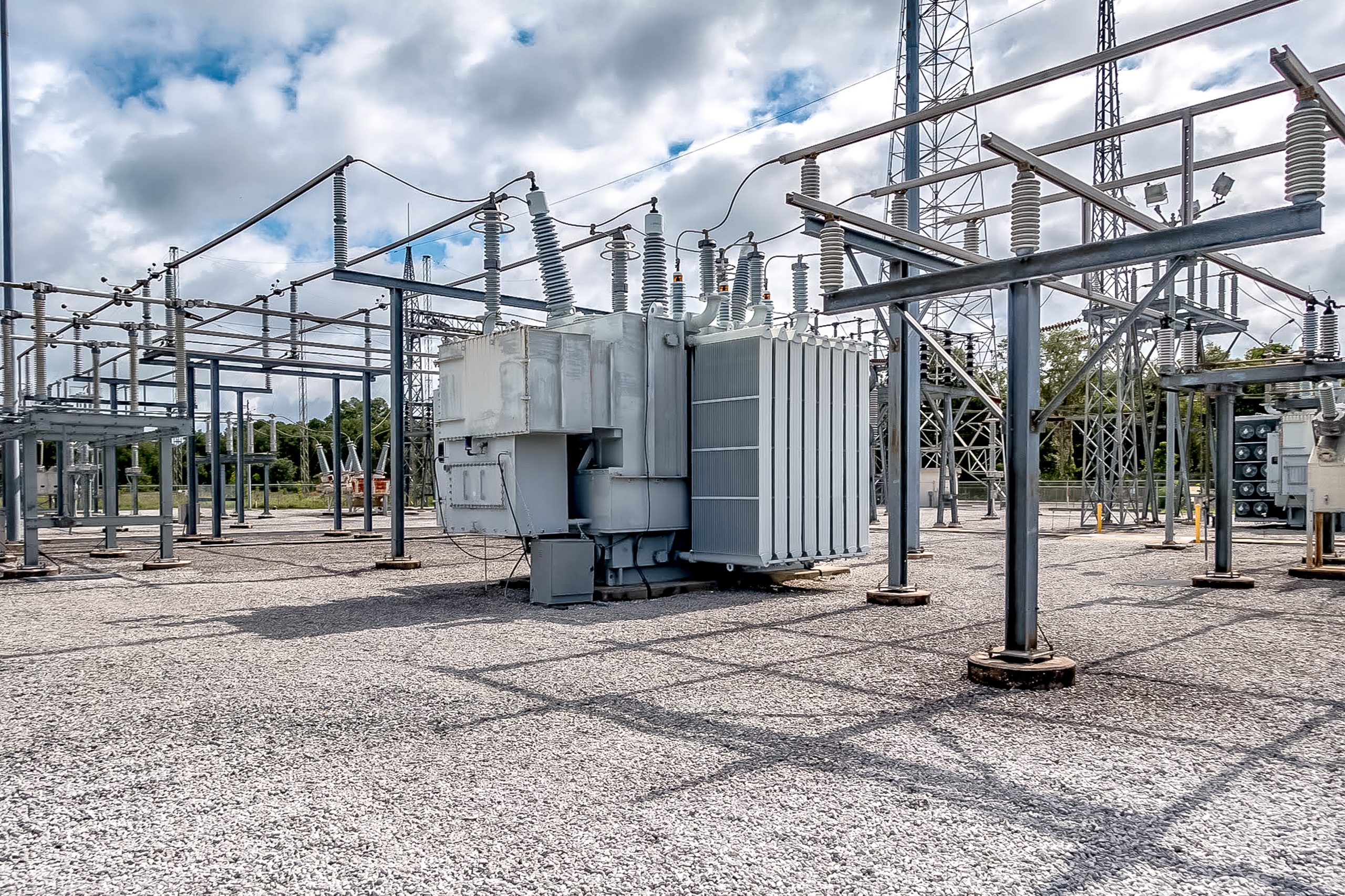
While the need for fire separation is clear, implementation is often costly or complex, especially within existing substations. The average age of substations in the United States is over 40 years old, and many sites require substantial upgrades to meet growing power needs, the utility owners must navigate:
- Tight substation footprints
- Live, energized equipment
- Limited access for heavy construction
- The need to avoid outages or extended downtime
Many firewall solutions are costly or disruptive to install without delaying or complicating critical substation upgrades.
Enabling Fire Protection Without Compromising Operations
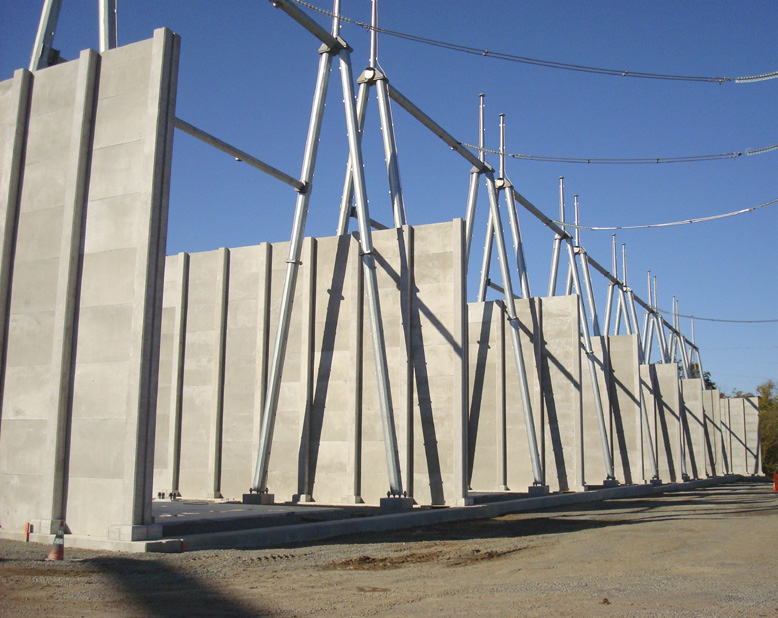
Advances in modular, precast fire‑rated systems are changing what’s possible for substation design teams. Modern solutions allow utilities to introduce fire protection in both new and existing substations with greater flexibility, supporting faster installation, safer work practices, and site‑specific configurations.
This approach enables utilities to strengthen fire mitigation strategies, stay on schedule, and maintain operational continuity, which is an essential consideration for high‑consequence grid infrastructure.
TruFireWalls®
Oldcastle Infrastructure’s TruFireWalls® are designed to meet the fire‑protection demands of utility and substation environments. Designed for reliability, safety, and high fire performance, TruFireWalls provide:
- 4-hour fire protection to isolate transformers and protect critical assets
- Blast‑mitigating protection to reduce cascading damage
- Modular, precast construction for efficient installation in constrained or energized sites
- Flexible configurations suited for new builds and retrofits
By deploying TruFireWalls, utilities can reduce the impact of fire‑related outages, enhance safety for personnel, and strengthen grid resilience without sacrificing uptime, access, or future adaptability.
Learn more:
- Discover the benefits of TruFireWalls
- Read our product brochure
- View our sell sheet