May 4, 2026
Why Substation Physical Protection Matters More Than Ever
Unexpected Threats Are Redefining Substation Risk
Substation security is often discussed in the context of extreme scenarios such as large‑scale attacks or severe weather. Oftentimes, the most disruptive threats are frequently low‑cost, low‑complexity, and unexpected. Across the energy sector, outages are increasingly caused by isolated ballistic incidents, vehicle impacts, wildlife interference, and accidental damage tied to nearby construction or land use.
What these events have in common is not sophistication, but access. Substations are geographically distributed, visible, and designed primarily for operational efficiency. That makes them uniquely exposed to disruption with minimal effort.
The Range of Threats Substations Must Defend Against
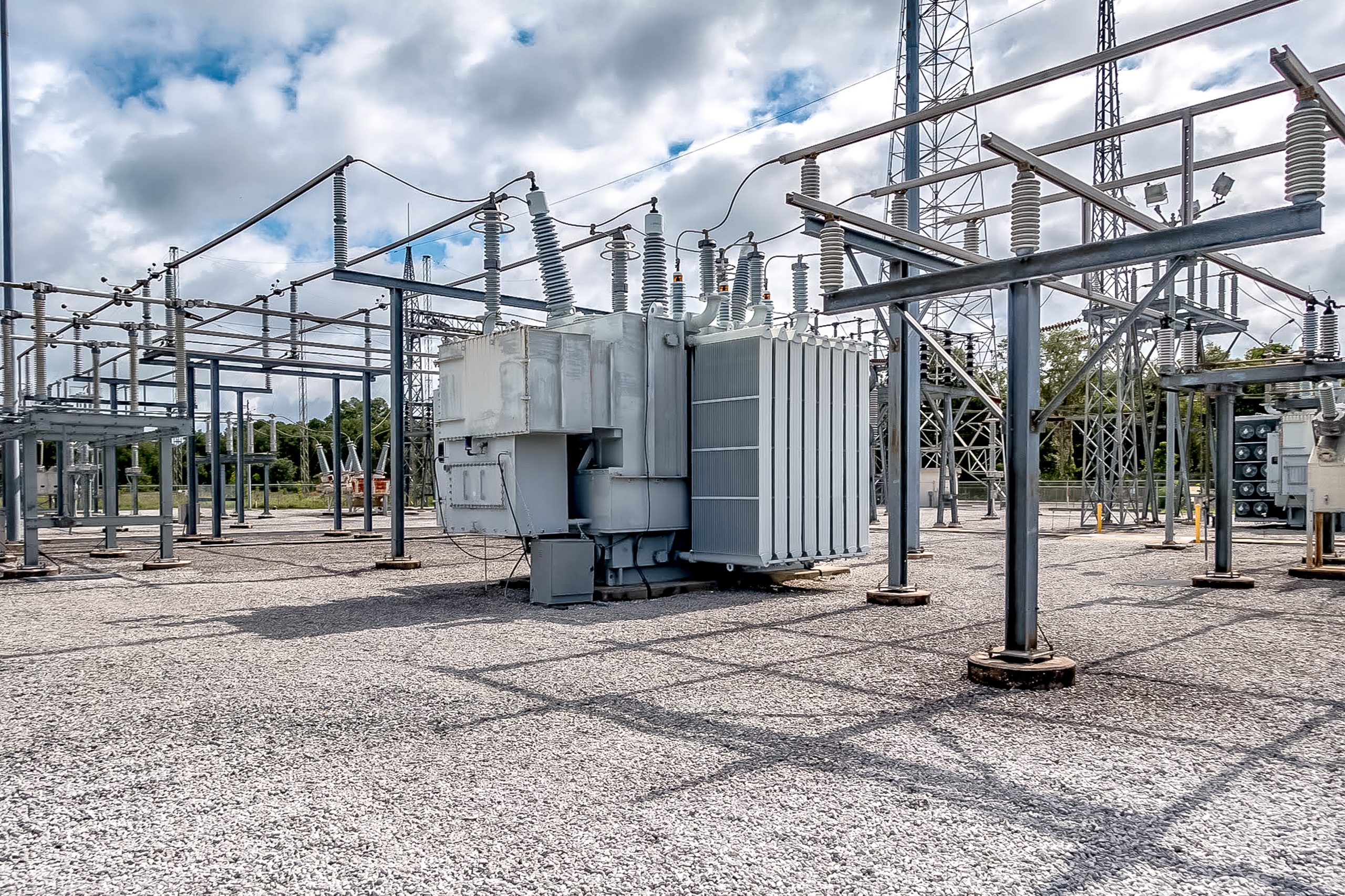
Modern substations are expected to operate continuously while absorbing a wide spectrum of risks. These include direct physical impacts, line‑of‑sight ballistic threats, unauthorized access, environmental debris, and secondary damage from internal equipment failure. Any one of these incidents can escalate into prolonged outages that ripple across hospitals, emergency services, communications networks, and local economies.
As grids become more interconnected and communities more dependent on uninterrupted power, tolerance for outages continues to decline. Resilience today is no longer just about redundancy; rather, it’s about physical protection at the asset level.
Why Walls Are a Critical Layer of Security
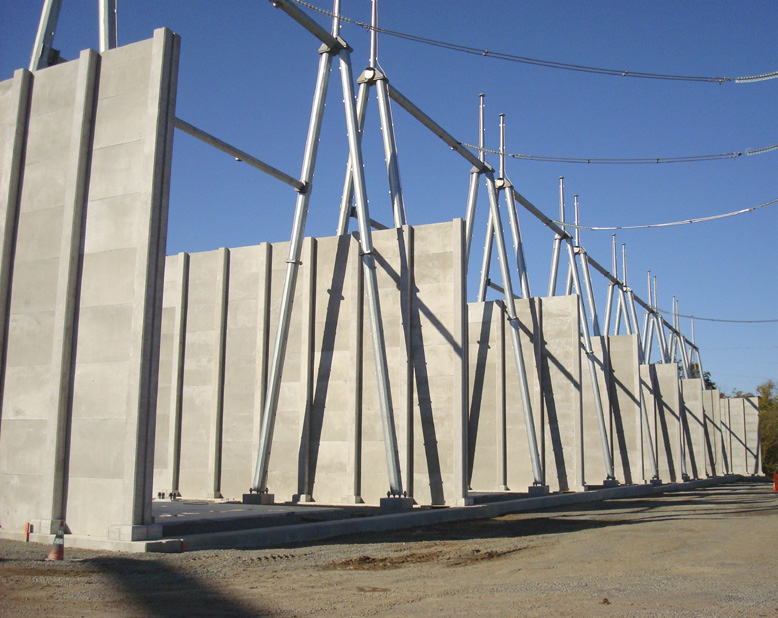
Protective wall systems play a central role in modern substation hardening. Rather than serving only as boundaries, they function as active defensive infrastructure. Purpose‑built walls can absorb ballistic energy, deflect vehicle impacts, and shield sensitive equipment from both intentional and accidental damage.
Equally important is deterrence. A visibly hardened substation signals that the site is protected and monitored, reducing its attractiveness as a target. In many cases, deterrence alone prevents incidents that could otherwise result in costly repairs and extended downtime.
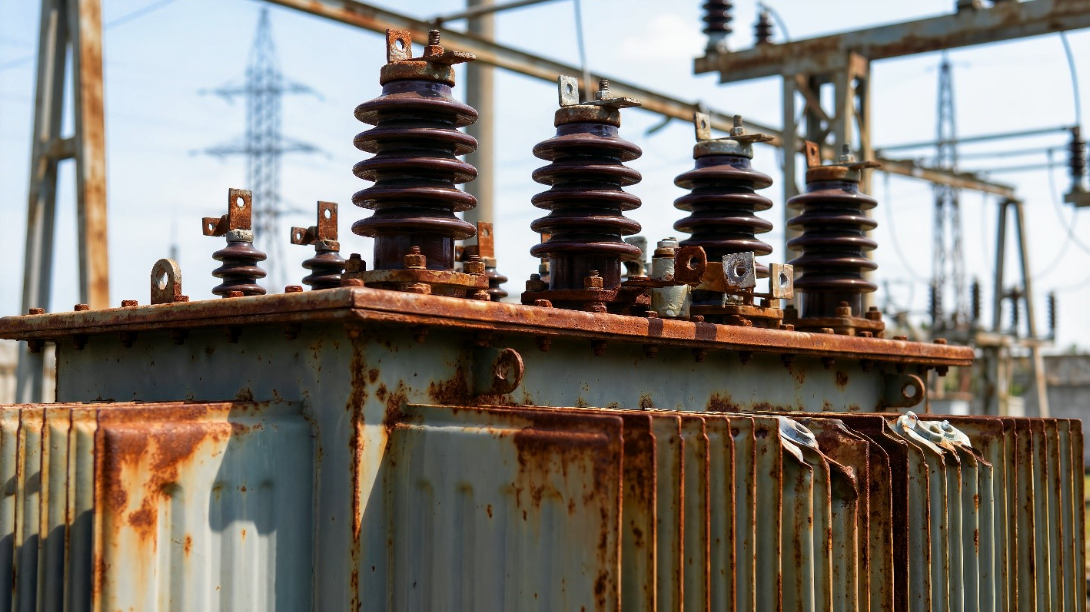
Walls also help contain secondary effects. In the event of transformer failure, protective barriers can limit debris, blast forces, or oil dispersion, reducing collateral damage and accelerating restoration.
Hardening Without Overbuilding
Effective substation protection does not require fortress‑style construction. High‑risk sites such as those near public roadways, open land, or critical community facilities benefit most from targeted, retrofit‑friendly wall systems. These solutions strengthen the most exposed assets without requiring full redesign or service interruption.
Designing for Continuity
Substation protection is no longer a reactive measure; rather, it is a core element of grid reliability. Investing in physical hardening reduces outage risk, limits impact severity, and supports long‑term system performance.
At Oldcastle Infrastructure, we partner with utilities to deliver durable, scalable protective solutions that help defend critical electrical assets against a broad range of real‑world threats both today and into the future.