July 20, 2026
Anti-Float Enclosure Lids: The Unsung Utility Hero
In underground infrastructure, out of sight cannot mean out of mind.
For engineers and utility managers, protecting subterranean valve and meter assets is essential for long-term system reliability.
Severe storms subject buried utility systems to high hydraulic and hydrostatic pressure, causing them to shift upwards. Compounding this issue, enclosure lids can become dislodged and float away, exposing the valuable interior.
For contractors, municipalities, and utility owners, these failures can create:
- Damaged fiber, telecom, meters, valves, or other utility connections
- Increased maintenance and replacement costs
- Jobsite safety hazards
- Exposed underground infrastructure
- Customer service interruptions
Why Underground Enclosures Float
Enclosure flotation occurs when buoyant forces exceed the combined weight of the enclosure system and the surrounding soil restraint. The box acts like a boat’s hull and lifts as the water level rises.
Traditional thermoplastic or HDPE boxes and covers are especially susceptible because:
- Lightweight materials can shift in saturated soils.
- Flexible lids may warp under hydraulic pressure.
- Poor lid fitment can allow water to seep below the cover.
- Flat wall designs provide less soil engagement and resistance.
During major storm events, detached covers can also expose the enclosure interior to water, mud, and debris.
Traditional Anti-Float Solutions
Traditionally, these issues have been prevented using multiple methods:
- Concrete collars or ballast rings
- Earth anchoring systems
- Heavy concrete lids
- Tethering the lid to the enclosure
While these methods can be effective in some cases, they may increase installation time, labor requirements, material costs, and maintenance difficulties.
Fibrelyte®: The Modern Solution
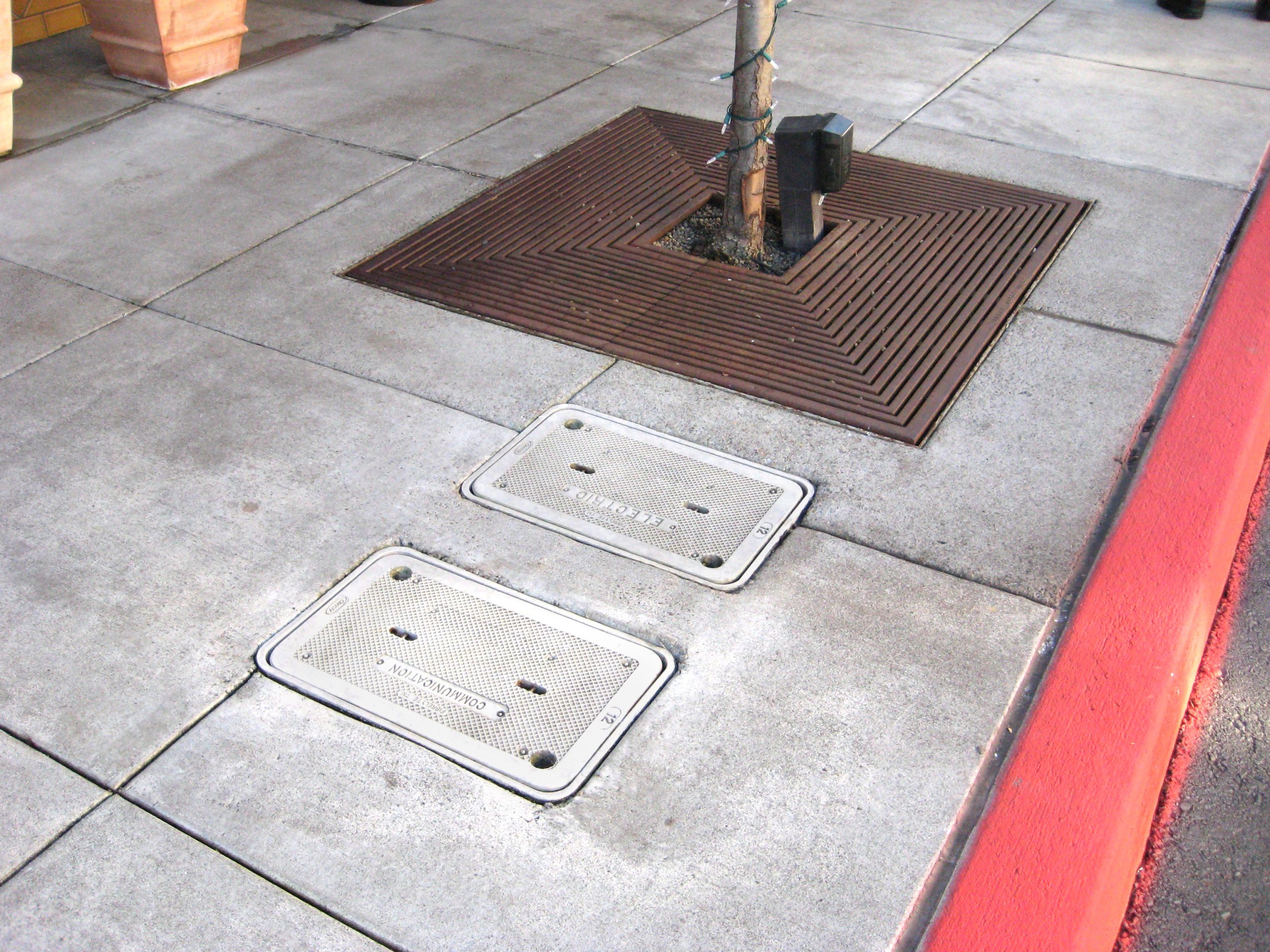
Fibrelyte enclosures are engineered to address common flotation challenges in light-duty pedestrian applications.
The enclosure design features include:
- Material density engineered for anti-float performance.
- Flared walls for greater soil engagement.
- A precision-fit cover interface.
Specific Gravity
Fibrelyte’s composite material is designed to have a specific gravity greater than 1.0, meaning the material is denser than water. This contributes to the system’s built-in resistance to flotation when compared to conventional lightweight alternatives.
Flared Enclosure Walls
The flared enclosure profile increases soil-bearing interaction around the body of the box. The extra soil resting on the flared walls increases the weight resting on the enclosure. This improves stability and helps the enclosure stay put, even in oversaturated conditions.
Rigid Composite Material
Unlike flexible thermoplastic or HDPE covers, Fibrelyte covers retain structural rigidity under evolving environmental conditions. This rigidity, combined with the flush-fitting cover design, helps prevent water and other debris from entering, protecting internal assets.
Designed for Long-Term Reliability
For utility owners and contractors, anti-float performance ensures infrastructure protection, reduces maintenance needs, and lowers lifecycle costs.
Fibrelyte enclosures are trusted and commonly used in telecom, fiber, irrigation, municipal water, and low-voltage utility applications where saturated soil conditions are a concern.
These enclosures provide a lightweight, corrosion-resistant alternative designed for dependable field performance without relying on excessive ballast or difficult maintenance procedures.
Whether used when designing new projects or upgrading existing infrastructure, Fibrelyte is the safe, reliable option that modern designs require.
Learn more:
Explore the Fibrelyte Product line and relevant resources.
- View the Fibrelyte Product Page.
- Review the Fibrelyte Spec Sheet.
- Access our Fibrelyte Cover Overview.