August 24, 2026
CivilSense helps historic Pennsylvania city build drought resilience
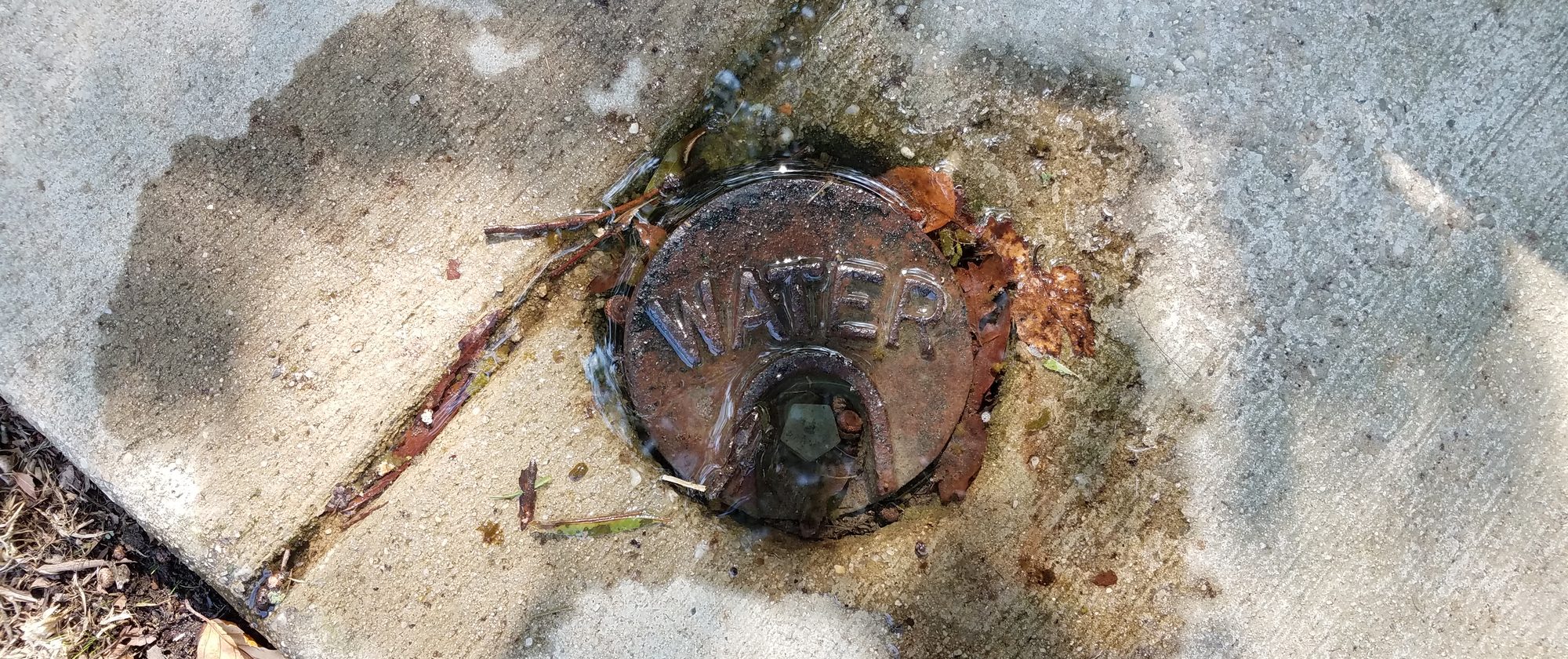
CivilSense™ real-time leak detection technology helped a historic Pennsylvania city address its aging water infrastructure, tackle non-revenue water and build drought resilience.
Situation
A small, historic Pennsylvania city was struggling with non-revenue water. With a population of a little under 60,000 people, its two drinking water treatment facilities provide clean water for the people of the city as well as more than 50,000 other people in the wider area, sourcing water from nearby rivers and distributing it via a network comprising over 45,000 taps.
The city has a history that stretches back to the 1700s; unfortunately, in common with much of the country its water infrastructure is similarly historic, and the city was suffering from an estimated non-revenue water loss of over 28%.
City leaders wanted to take action to address this situation and build drought resilience, with an objective of reducing withdrawals from nearby rivers and, having relied upon traditional leak detection techniques such as visual inspections and routine maintenance activities, they wanted to assess the effectiveness of new technologies.
Solution
The city identified Oldcastle Infrastructure’s CivilSense™ as a technology with the potential to improve its leak detection effectiveness and efficiency, and requested a pilot of the CivilSense Direct real-time leak detection service.
The Oldcastle Infrastructure team worked with the city to develop a project to demonstrate the effectiveness of the technology. The pilot would involve the deployment of temporary CivilSense sensors across 50 miles of mainline piping across the center of the city, AI analysis of gathered acoustic data, and a report pinpointing the location of any leaks detected.
Outcome
The Oldcastle Infrastructure team deployed 280 sensors in 625 sessions across the 50 miles of network, generating 52 distinct waypoints.
Of these waypoints, AI analysis determined that 13 were leaks: seven small, five medium and one large. The leaks were detected on mains, at client meters and in assets such as valves and hydrants; using AWWA nominal values, the total water loss from these leaks was estimated at 180 gallons per minute, which equates to over 94 million gallons per year.
What is a Waypoint? A Waypoint is an acoustic signature that the AI has assessed to be consistent with a leak based on comparison against a comprehensive library of previously detected and validated acoustic signatures. Waypoints are validated and pinpointed using sensors and a technique called correlation, which confirms and then precisely determines the location of the leak.
In numbers:
- Miles of network assessed: 50
- Sensors deployed: 280
- Active listening sessions: 625
- Waypoints generated: 52
- Leaks detected: 13
- Estimated annual losses: 94,000,000 gallons
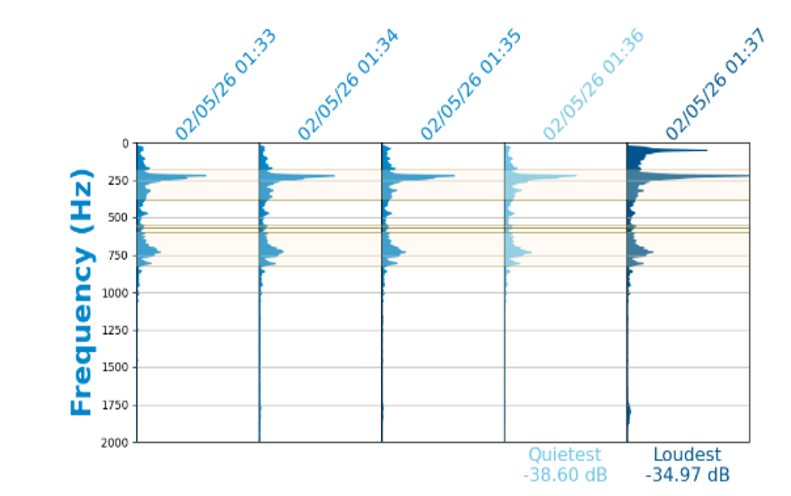
The acoustic signature of the largest leak detected
The Oldcastle Infrastructure team used correlation techniques to pinpoint the location of each leak, marked up the leaks in situ, and provided the city with detailed leak reports for each one, enabling targeted repairs to be undertaken.
As a result of the CivilSense pilot project, the city identified and located 13 previously undetected leaks, enabling cost-effective repairs to be carried out only on those sections of the network where leaks were present. Further, the project confirmed to city leaders that CivilSense technology is accurate, reliable and effective.
“City leadership should be applauded not only for taking such a proactive position on drought resilience, but also for recognizing the potential of new technology,” said Jamie Bourassa, General Manager, CivilSense.
“Municipalities all across the United States are facing the critical challenges of aging infrastructure and a changing climate, and unfortunately yesterday’s technologies and ways of working simply aren’t going to be enough to tackle them.”
Learn More
- Visit the CivilSense Non-Revenue Water page
- Try the ROI calculator
- Read Non-Revenue Water: Why Utilities Need to Choose Their Own Adventure