June 23, 2026
Navigating Regulatory Approvals for Gray-Green Infrastructure Projects
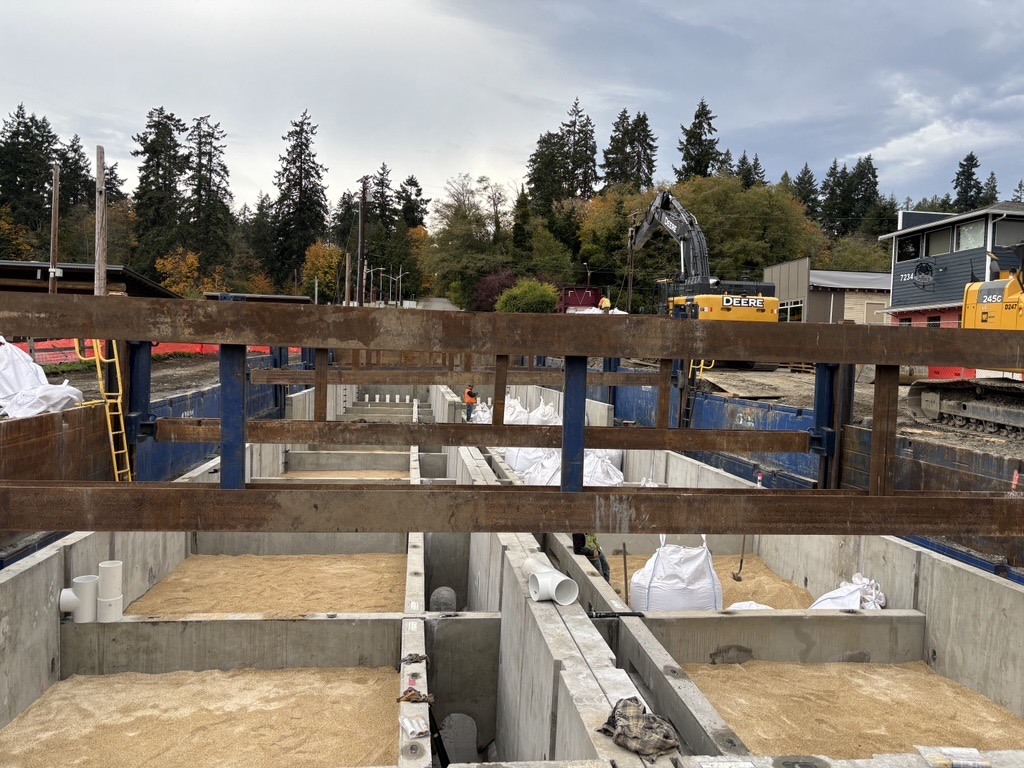
Successful gray-green infrastructure projects increasingly share a common trait: early, sustained collaboration with regulators paired with clearly documented performance and maintenance strategies. As a result, understanding how to navigate regulatory approvals has become a critical skill for modern stormwater design teams.
As gray-green infrastructure becomes a preferred strategy for stormwater management, regulatory approval pathways are evolving just as quickly as the designs themselves. While gray-green infrastructure solutions offer significant benefits, such as improved water quality, reduced flooding, and smaller project footprints, many projects still face challenges aligning innovative approaches with established regulatory frameworks.
Why Regulatory Strategy Matters in Gray-Green Infrastructure Design
Stormwater regulations are often built around prescriptive design standards that predate many modern gray-green infrastructure technologies. Innovative systems such as high‑flow biofiltration or underground gray-green infrastructure frequently do not fit neatly within existing manuals or sizing tables. Without a clear regulatory strategy, projects may encounter lengthy review cycles, late‑stage design revisions, reduced treatment credit, or missed opportunities to minimize footprint. By contrast, projects that proactively engage with regulators can often secure approvals that allow gray-green infrastructure systems to perform more efficiently and effectively within site constraints.
Understanding Prescriptive vs. Performance‑Based Approvals
Most stormwater agencies rely on prescriptive approval pathways, performance‑based approvals, or a combination of both. Prescriptive pathways typically require systems to follow specific sizing rules, use approved materials or media, and match established Best Management Practice configurations. These approaches offer predictability and often faster reviews but can limit design flexibility, particularly on constrained or urban sites.
Performance‑based approvals, meanwhile, focus on demonstrated treatment outcomes, hydraulic performance data, and monitoring or verification results. While this approach allows greater design freedom, especially for high‑flow or unconventional gray-green infrastructure systems, it often requires additional documentation, monitoring commitments, or pilot‑project designation. Understanding which pathway applies, and when it may be appropriate to transition between them, is key to regulatory success.
When Pilot Projects Become the Best Path Forward
For sites with extreme constraints or novel design goals, pilot project provisions can provide a valuable regulatory bridge. Pilot approvals allow agencies to evaluate new gray-green infrastructure approaches under real‑world conditions, collect site‑specific performance data, and reduce long‑term risk before broader adoption.
For project teams, pilot pathways can enable footprint reductions, support higher treatment credits, and demonstrate compliance without overbuilding systems. These provisions are particularly valuable in dense urban areas, redevelopment corridors, and retrofit projects where traditional gray-green infrastructure solutions may be impractical.
The Role of Monitoring in Regulatory Confidence
Monitoring is often the cornerstone of pilot approvals and performance‑based gray-green infrastructure projects. Effective programs typically include infiltration or drawdown testing, water quality sampling, visual inspections tied to storm events, and long‑term performance tracking.
While monitoring adds upfront cost, it provides regulators with the data needed to support future approvals and frequently accelerates acceptance of innovative gray-green infrastructure systems at a regional level. In many cases, today’s pilot projects ultimately become tomorrow’s approved standards.
Maintenance Planning as a Regulatory Requirement
Regulatory agencies increasingly recognize that gray-green infrastructure performance is inseparable from maintenance. As a result, approval reviews now commonly evaluate access for inspection and maintenance, media replacement procedures, pretreatment strategies, and realistic maintenance intervals.
Projects that present clear, achievable maintenance plans tend to move through approval processes more efficiently, while systems perceived as difficult to maintain may face reduced treatment credit or added conservatism in design requirements.
Early Engagement Reduces Late‑Stage Risk
One of the most consistent lessons from successful gray-green infrastructure approvals is the importance of early regulator engagement. Engaging agencies during concept development, preliminary design, or alternatives analysis allows potential concerns to be addressed before construction documents are finalized. This approach reduces the likelihood of mid‑project design changes, permitting delays, and costly redesigns. Early engagement also creates opportunities for collaboration, particularly when agencies are seeking real‑world examples to inform future guidance updates.
Regional Approvals Shape Gray-Green Infrastructure Adoption
Because stormwater regulations are inherently regional, gray-green infrastructure acceptance often varies widely between jurisdictions. Regional approvals and certifications help build confidence among local agencies, create consistency for designers and contractors, and reduce approval timelines on future projects.
This variability is why green infrastructure manufacturers and project teams increasingly invest in multi‑state certifications, third‑party verification programs, and long‑term performance studies to move gray-green infrastructure from an alternative approach to standard practice.
Aligning Innovation with Compliance
Innovative gray-green infrastructure does not need to conflict with regulatory compliance. Many of the most advanced gray-green infrastructure projects succeed because they align innovation with regulatory objectives such as improved water quality, resilience, and long‑term performance.
By combining early agency engagement, clear performance documentation, thoughtful maintenance planning, and a willingness to pilot new approaches, project teams can navigate approvals more effectively while delivering higher‑performing stormwater solutions.
Learn more
- Discover the BioPod™ infrastructure system
- Read about our stormwater maintenance services
- Read our insight article: High-Flow Green Infrastructure vs Traditional Bioretention: Choosing the Right Stormwater Solution