March 9, 2026
The Silent Plant Killer: How Poor Grit Management Leads to EPA Non‑Compliance
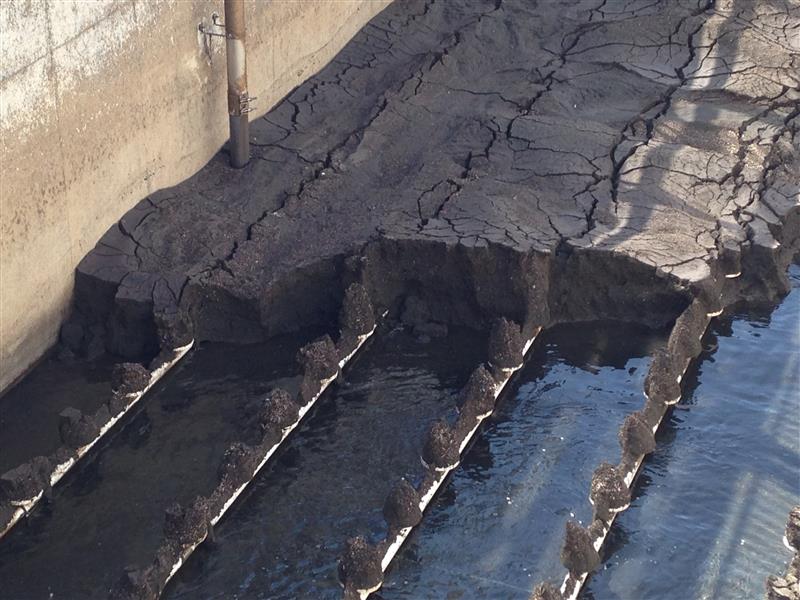
Did you know? Grit accumulation is one of the quietest and most costly problems in wastewater treatment.
Left unmanaged, it undermines process performance, accelerates equipment wear, increases odors, and increases the risk of EPA non‑compliance. Facilities that violate National Pollutant Discharge Elimination System (NPDES) permit levels often lead to substantial EPA penalties.
As systems age and regulations tighten, effective grit removal at the headworks is foundational to plant reliability and effluent quality. Given the adoption of newer and more advanced treatment processes and equipment, it is paramount to remove even the finer fractions of grit from treatment plants to maintain overall performance.
Grit is more than fine sand; it includes dense abrasives like coffee grounds, eggshells, bone fragments, and seeds. When not removed early, grit settles in channels, aeration basins, clarifiers, and digesters, where it traps organic solids that should remain in suspension. Those trapped organics decompose in low‑oxygen zones, creating conditions that disrupt biological treatment and set the stage for odors, corrosion, and effluent instability.
Hydrogen Sulfide: The Hazard You Can’t Ignore
Hydrogen sulfide (H₂S) is a toxic, corrosive gas produced by anaerobic decomposition in wastewater systems, and it poses severe risks. Unmanaged hydrogen sulfide can present life‑threatening exposure hazards to personnel, even at relatively low concentrations.
Hydrogen sulfide generation:
- Rapidly corrodes concrete, steel, and electrical components
- Puts workers’ health at risk and raises odor complaints
- Disrupts microbial communities, reducing BOD removal and clarifier settling
- Increases the likelihood of permit exceedances and regulatory scrutiny
Symptoms often appear downstream, but the root cause is frequently upstream: ineffective grit management.
Why Effective Grit Removal Protects Compliance
Stable compliance depends on predictable biology and effective process hydraulics. Inadequate grit control leads to:
- Rising maintenance burdens and downtime
- Poor oxygen transfer, sludge settling issues, and process inefficiency
- Difficulty maintaining effluent limits for ammonia, TSS, and BOD
- Loss of treatment plant efficiencies due to excessive build-up of grit in key areas
Removing dense inorganics early prevents organic entrapment and preserves downstream treatment performance.
How Oldcastle Infrastructure Solves the Grit Problem
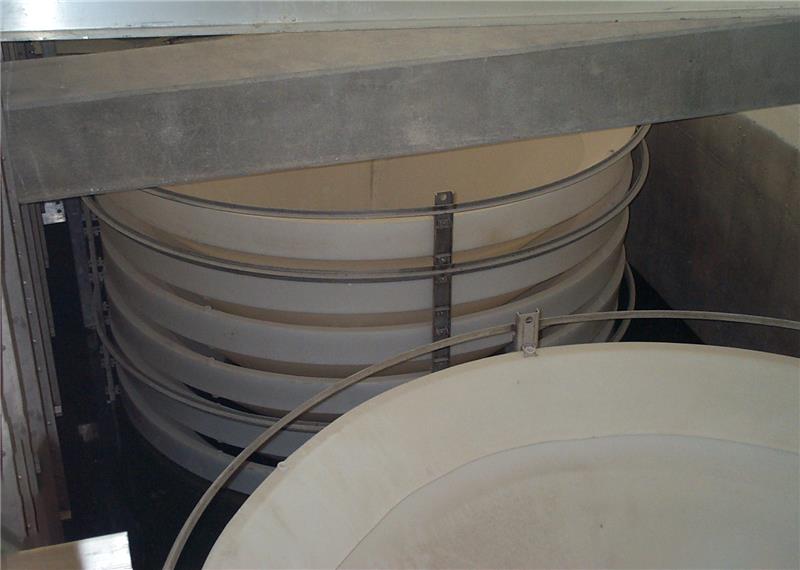
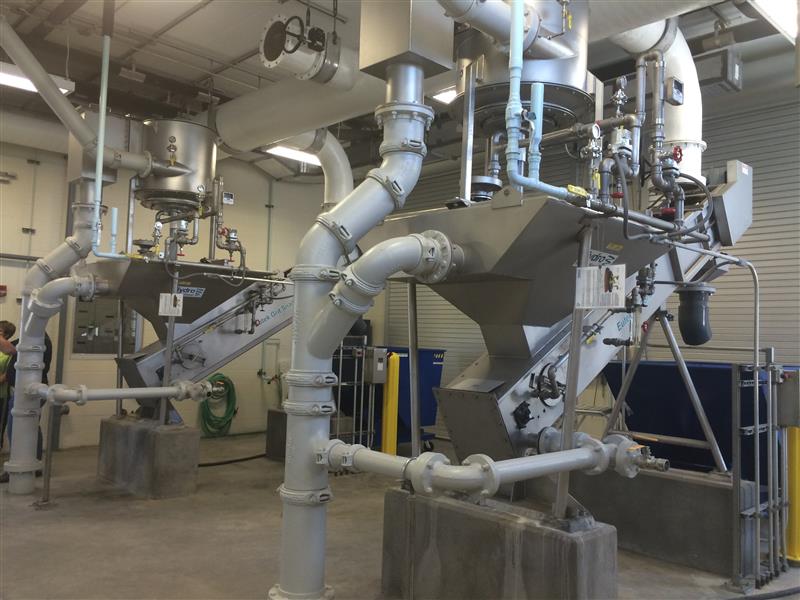
Oldcastle Infrastructure delivers advanced grit management solutions engineered to intercept dense inorganics early on in the treatment process while keeping essential organics in suspension. Our grit systems are designed to:
- Capture grit efficiently before it settles in basins or channels
- Produce clean grit output, reducing noxious odors
- Protect pumps, aeration equipment, clarifiers, and downstream biological processes
Plants equipped with Oldcastle Infrastructure grit management systems experience fewer clogs and odors, support more stable biological processes, and present predictable compliance while lowering lifecycle maintenance costs.
Stop the Silent Plant Killer
Grit may be small, but these insidious particles’ impact is far‑reaching. With Oldcastle Infrastructure’s engineered grit solutions, facilities can eliminate the root cause of equipment failure and reduced process efficiency, safeguard regulatory compliance, and extend the life of critical assets. When grit is managed properly at the headworks, the entire plant performs better.
Learn more
- Discover our Advanced Grit Management solutions.