February 17, 2026
Installed Cost vs. Unit Price: The New Value Equation for Utility Co-Op Infrastructure
Utility co-ops are under increasing pressure to control costs, improve safety, and deploy infrastructure rapidly across expanding service territories.
Yet comparing solutions by unit price alone rarely reflects the true cost of putting assets in the ground or keeping them reliable for decades.
As more utilities shift toward installed cost and lifecycle value, co-ops are uncovering how low up‑front pricing can mask far higher long‑term expenses. The true cost of infrastructure isn’t defined by the SKU, but by the labor required to install it, the safety risks crews face, the consistency utilities can achieve across districts, and the performance of that asset over its service life.
This article outlines how our Highline, Nordic, and Duralite enclosures are engineered around this broader value equation, reducing labor hours, minimizing installation variability, improving safety, and delivering long‑term durability that outperforms lower‑priced alternatives.
Why Installed Cost Matters More Than Unit Price
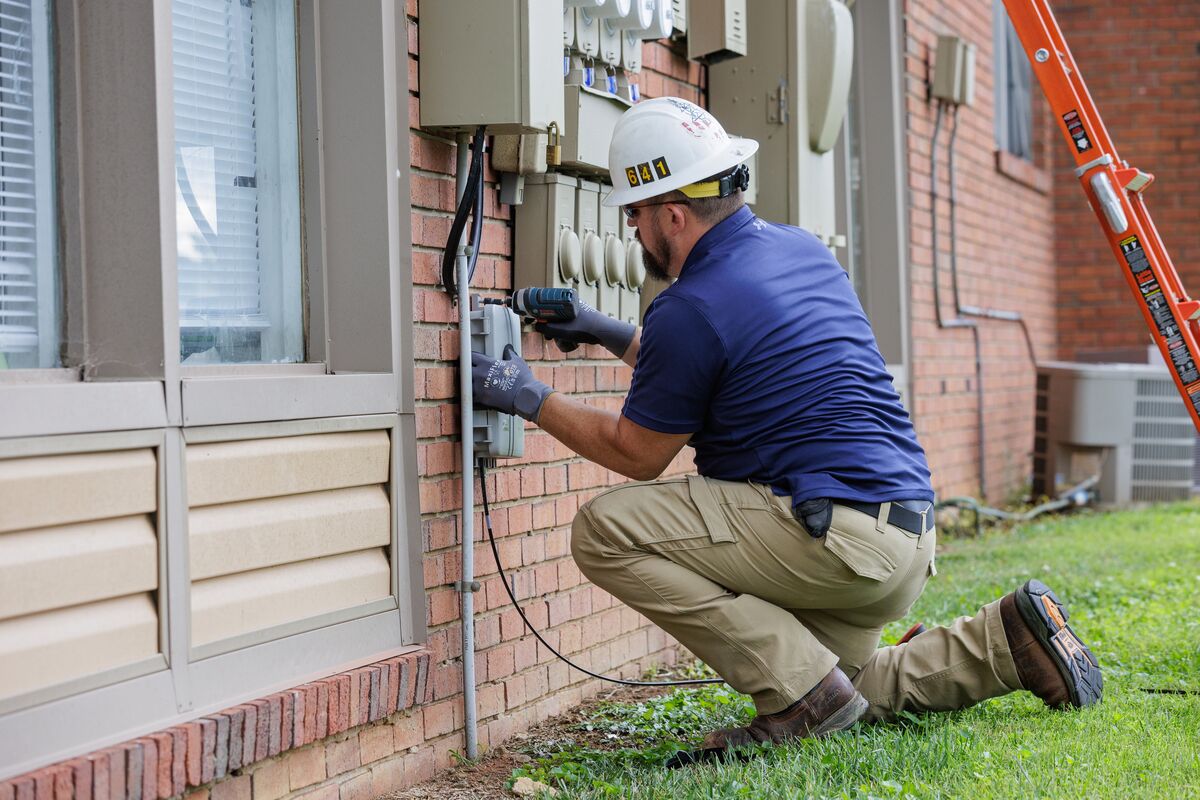
Evaluating infrastructure by unit price assumes ideal field conditions, including experienced crews, predictable terrain, and consistent equipment access. Utility co-ops know conditions vary widely: emergency outages, soft ground, rural access, labor shortages, and equipment limitations can all reshape installation labor and risk.
Installed cost captures the full deployment picture, including labor, handling, equipment needs, safety exposure, and the long‑term performance of the enclosure. When a product installs quickly and predictably, requires fewer lifts, or reduces rework and safety risk, total deployment cost drops substantially, even if the unit price is higher. For co-ops with lean crews and wide territories, reducing field labor and exposure often outweighs any savings on a cheaper box.
Highline: Rugged, Repeatable, Lower Installed Cost
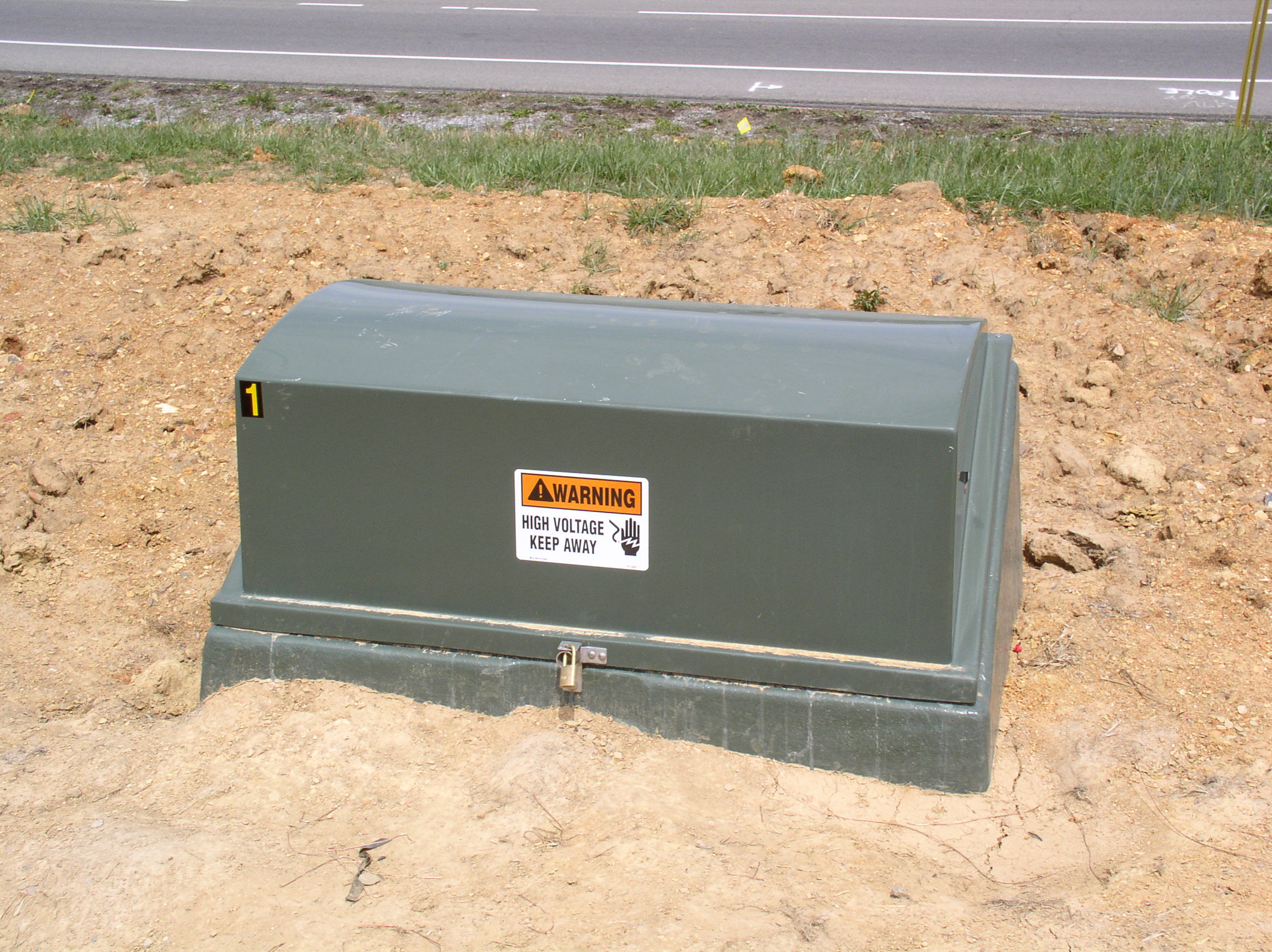
Highline lowers installed cost through consistent handling and durable, utility‑grade construction. Crews encounter the same structural behavior and access points across the entire line, reducing installation errors and time on site. Its resistance to damage, weather, and wildlife helps avoid troubleshooting, unplanned service calls, and early replacement: costs that far exceed the savings of a lower‑priced enclosure. Over the lifecycle, Highline delivers a lower total cost of ownership through fewer truck rolls and long asset life.
Nordic: Standardized Configurability That Saves Labor
Nordic provides the flexibility that co-ops need without the cost and field risk of custom designs. Its predefined modular options speed approvals and engineering while preserving a standardized installation experience. Crews follow familiar steps, use common components, and avoid the guesswork that slows jobs and increases risk.
The predictability Nordic provides reduces labor hours, rework, and jobsite variability, which are key drivers of installed cost savings.
Duralite: Lightweight Efficiency and Safety
Duralite cuts installed cost by reducing labor and equipment requirements. Its lightweight composite construction allows crews to maneuver and place units with minimal or no heavy machinery.
Faster installs, safer handling, and reduced ergonomic strain translate to fewer truck rolls, lower overtime, and more predictable scheduling. Durable environmental resistance further lowers lifecycle costs.
Lifecycle Value: The Ultimate Cost Driver
Low‑cost enclosures that fail early or require frequent maintenance quickly multiply expenses over their lifespan. Highline, Nordic, and Duralite are engineered to deliver long‑term reliability, reducing replacements and unplanned service calls. For co-ops, stronger lifecycle value directly supports rate stability, capital planning, and system reliability.
A Smarter Way to Evaluate Infrastructure
When co-ops evaluate enclosures by installed cost and lifecycle value (not unit price), they gain a clearer, more strategic understanding of their total investment. Highline provides rugged consistency, Nordic offers configurable standardization, and Duralite delivers lightweight labor efficiency.
The cheapest enclosure upfront is rarely the lowest‑cost solution over time. Co‑ops that adopt a total‑cost‑of‑ownership mindset deploy faster, operate more safely, and maintain more reliable systems year after year.
Learn more:
- Learn more about Duralite.
- Read our Duralite white paper.
- Discover our Duralite product brochure.
- Learn more about Highline.
- View our Highline Drawings Catalog.