April 27, 2026
Strengthening Texas’ Water Future: Modern Tools for Aging Infrastructure and Long‑Term Reliability
Texas continues to face mounting pressure on its water systems: pressures that utilities, engineers, and municipalities are already working hard to manage. Long‑term drought, rapid population growth, and increasingly strained distribution networks are converging, accelerating the need for more resilient and data‑driven water infrastructure across the state.
Recent analysis, including insights from Bluefield Research’s Texas Water Market Profile, underscores the urgency of the moment. Texas’ water future will depend not only on additional investment, but on smarter ways to understand, prioritize, and manage aging assets over the long term.
Aging Water Infrastructure: A Growing Statewide Risk
Texas operates more than 165,000 miles of buried water distribution pipeline, much of it installed decades ago. As these systems age, utilities are confronting a familiar, and growing, set of challenges, including:
- Rising non‑revenue water (NRW) driven by leaks and pipe failures
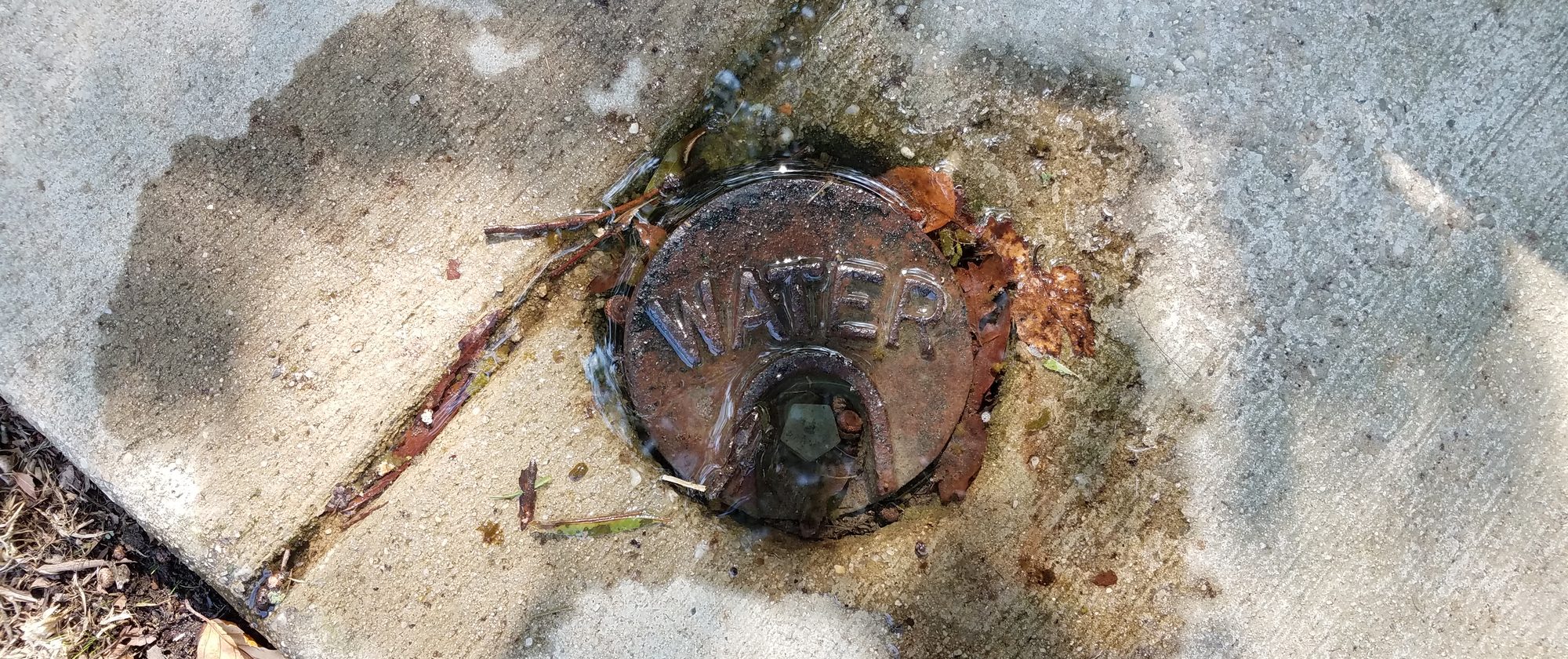
- Deteriorating meter boxes, vaults, and access structures
- Increasing repair and maintenance costs
- More frequent service interruptions
- Greater vulnerability during drought conditions and peak demand
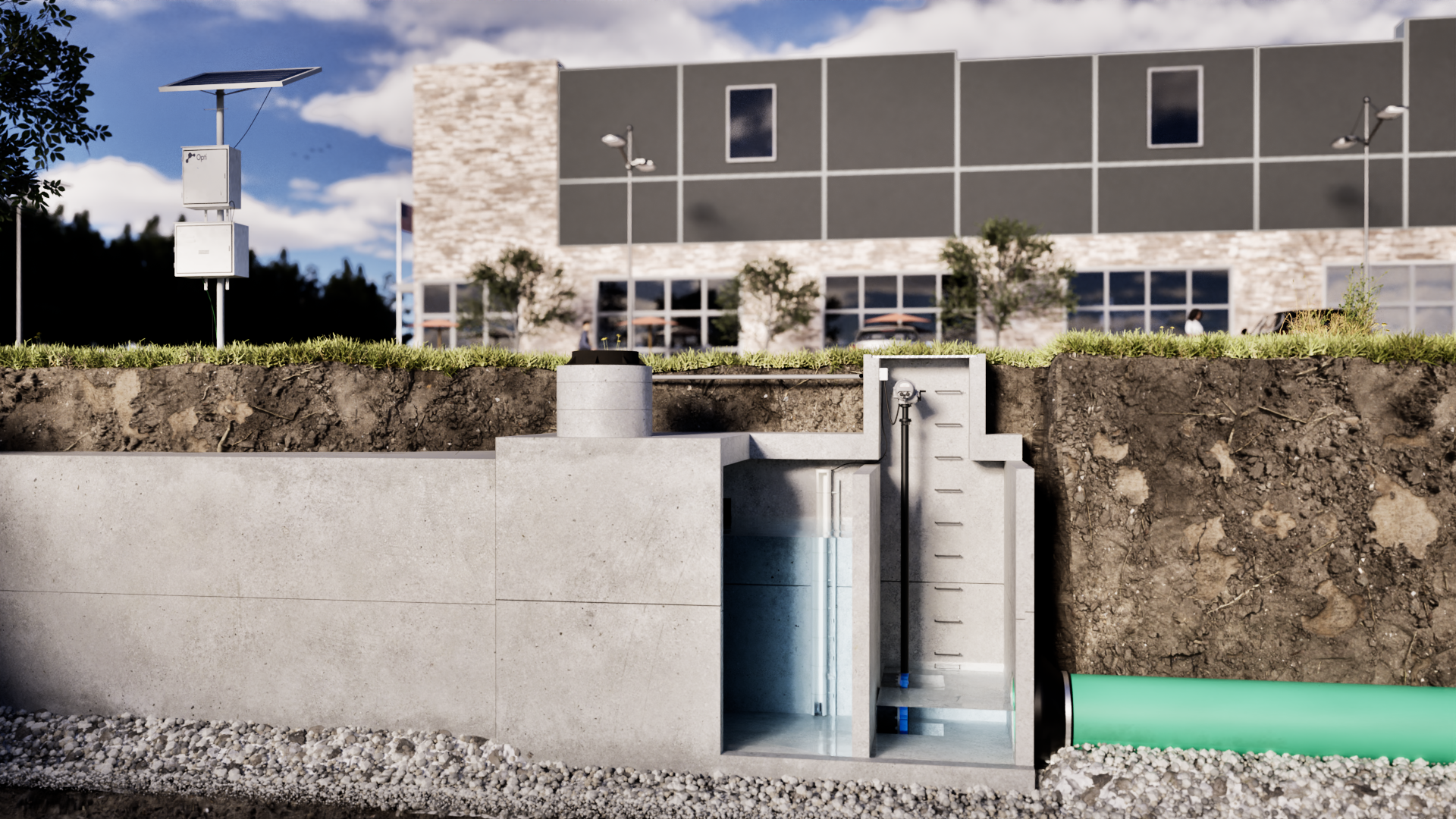
While pipes often receive the most attention, access structures such as meter vaults, valve enclosures, and related components play a critical role in system reliability. When these elements degrade, routine maintenance becomes more difficult, failures take longer to address, and overall network performance suffers.
Why This Matters for Texas Utilities and Engineers
Utilities today are expected to deliver higher levels of reliability, efficiency, and transparency, often with tighter budgets and constrained labor resources. Across Texas, three recurring challenges consistently shape planning discussions.
- Infrastructure Installed 40-60+ Years Ago Is Reaching Its Limits: Much of the infrastructure still in service today was not designed for current population densities, changing soil conditions, or modern industrial demand. As these assets fail, utilities face increased water loss, longer repair cycles, and rising lifecycle costs.
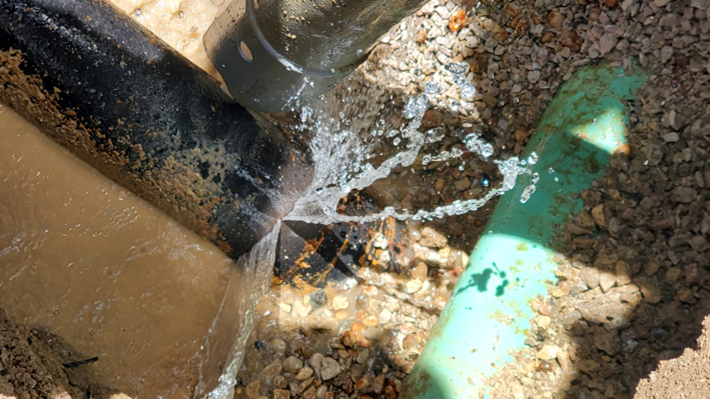
- Water Losses Are Becoming Harder to Control: As leaks develop within aging pipes, vaults, and enclosures, utilities encounter harder‑to‑access assets, delayed detection, increased losses, and higher operational expenses. Without better visibility into where risk is accumulating, response strategies often remain reactive rather than preventative.
- Population Growth Continues to Outpace System Capacity: Regions such as Central Texas, the Permian Basin, and the Gulf Coast are experiencing rapid growth. As demand rises, system reliability becomes mission‑critical, especially during drought conditions when margins for error shrink.
Demand is Rising Faster Than Infrastructure Can Keep Up
The scale of Texas’ water challenge becomes clearer when viewed through the numbers:
- 4,667 community water systems serve more than 30.6 million people
- Approximately 81% rely on drought‑vulnerable surface water sources
- Industrial water demand is projected to increase by more than 50% in coming decades
These realities emphasize a central truth: decisions made today about materials, monitoring, and maintenance strategies will shape water resilience for generations.
Investment Momentum Is Growing, but Planning Must Keep Pace
With the passage of Texas Proposition 4, more than $20 billion has been earmarked to support statewide water infrastructure improvements. This represents a significant opportunity, but funding alone cannot resolve decades of deferred maintenance.
To maximize impact, utilities and municipalities are increasingly looking for approaches that offer longer‑lasting materials, improved access and worker safety, lower total lifecycle costs, compatibility with future condition monitoring, and repeatable, durable construction and rehabilitation methods. Equally important is the ability to make informed decisions about where to invest first, especially when resources are limited.
Rethinking How Texas Manages Water Infrastructure
Addressing the scale and complexity of Texas’ water challenges will require more than rebuilding systems as they once were. The pace of growth, environmental stress, and infrastructure aging demands a shift toward “working smarter” using better data, better tools, and more proactive strategies.
Advances in sensing, analytics, and machine learning are enabling utilities to move from reactive repairs toward risk‑based planning. These technologies make it possible to better understand network condition, identify emerging problem areas, and prioritize interventions before failures occur.
Some utilities are already exploring AI‑driven risk analysis and leak detection platforms such as CivilSense™ as part of this broader shift. Tools like these are designed to help utilities reduce non‑revenue water, deploy limited resources more strategically, and strengthen overall network resilience without adding unnecessary operational complexity.
Ultimately, the future of water reliability in Texas will depend on how effectively data, engineering expertise, and infrastructure investment are brought together. By embracing modern approaches to asset intelligence today, utilities can better position themselves to meet the demands of tomorrow.
Learn more:
- Discover the benefits of CivilSense
- Download our CivilSense product sheet
- Try our ROI Calculator
- Connect with an expert to learn more about the value of CivilSense
- Read Bluefield Research’s Texas Water Market Profile