July 7, 2026
Smarter Infrastructure: How Composite Lids Help Solve AMR Issues
As the utility industry transitions to modern smart grids, the push for data automation has reached an all-time high.
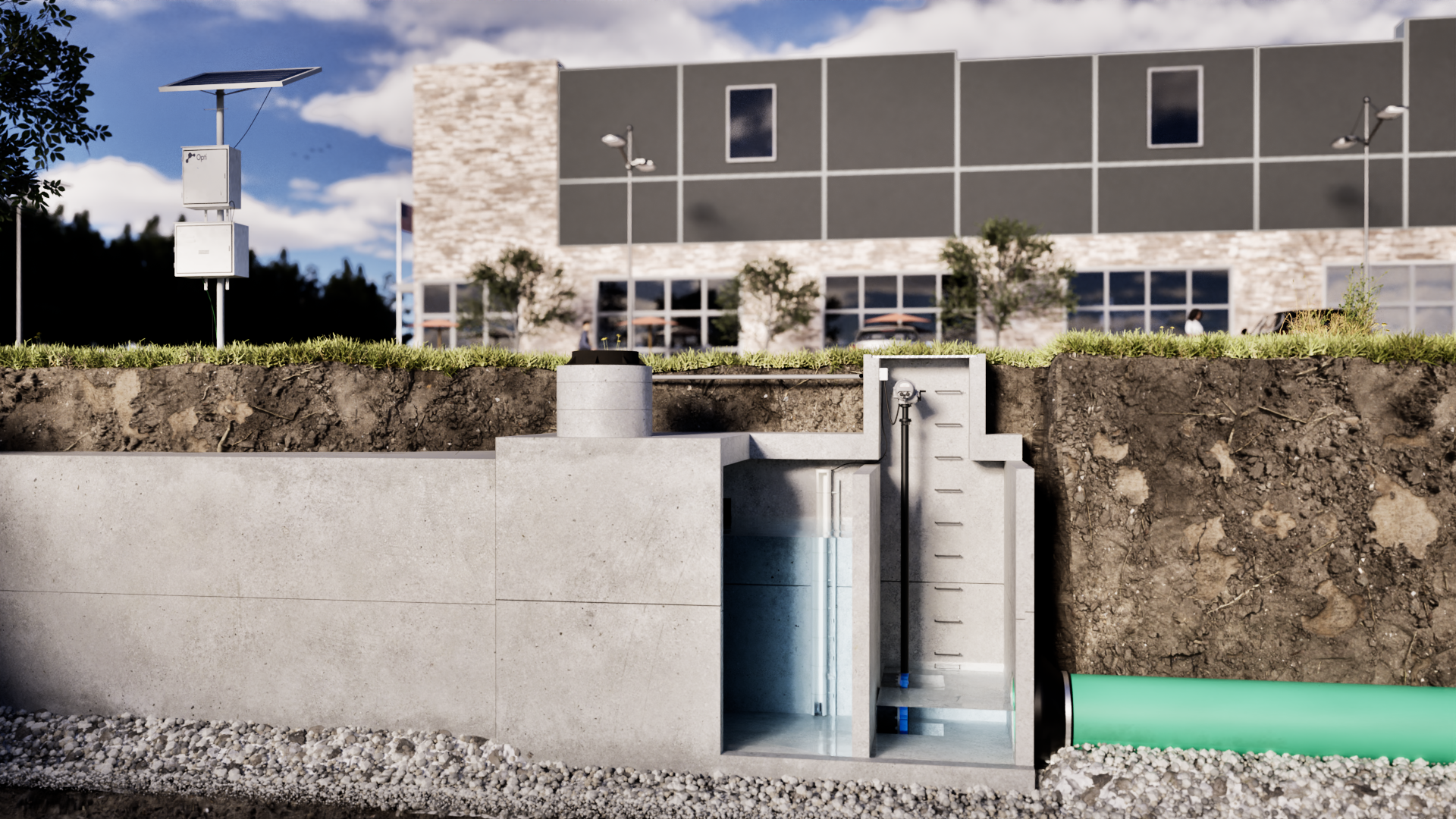
Millions of dollars are being invested in AMR (Automatic Meter Reading) and AMI (Advanced Metering Infrastructure) systems to capture real-time data.
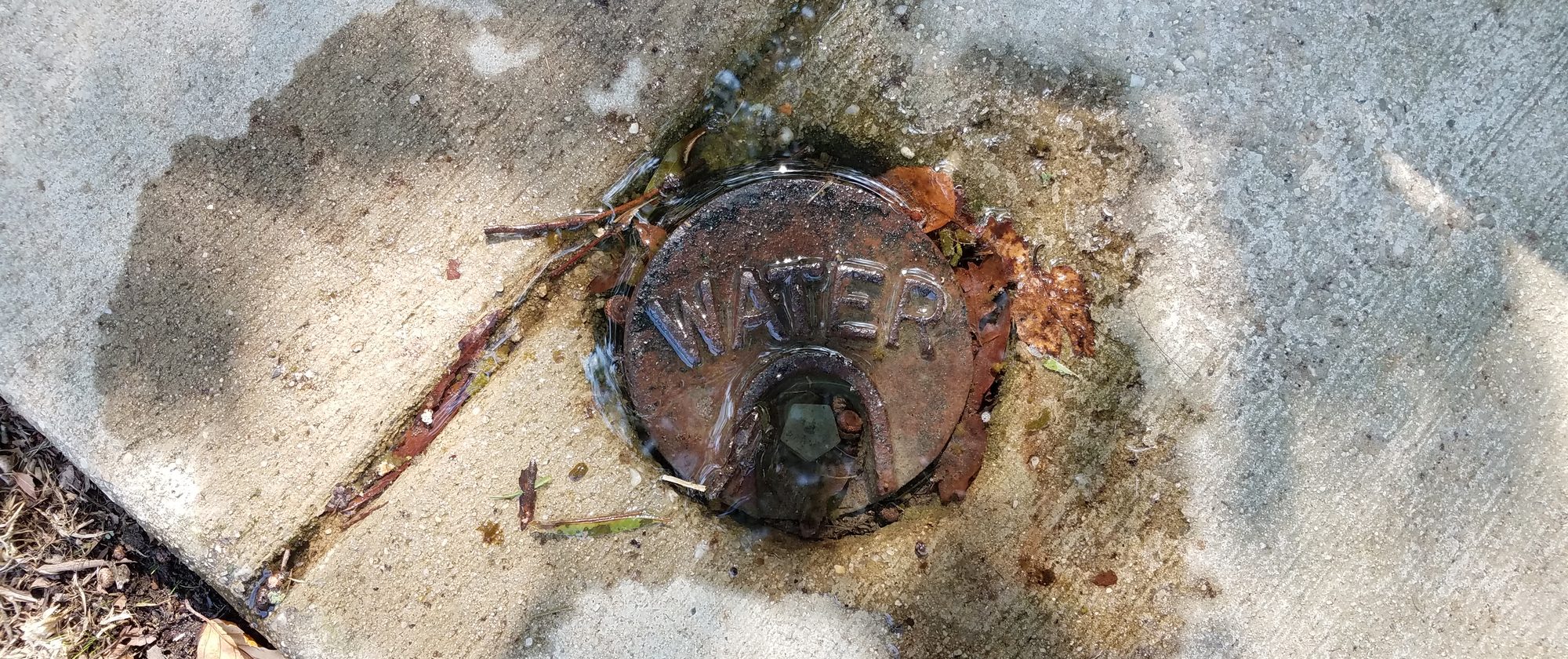
These systems promise to cut costs and streamline maintenance. AMR allows crews to digitally receive and analyze data from meters without opening the lid to physically collect it. However, this presents an issue: traditional concrete and cast-iron covers don’t allow the radio waves necessary for data collection to pass through.
Why This Happens
Concrete and cast-iron lids act as electromagnetic shields, severely affecting radio frequency (RF) signals that are necessary for AMR transmission. While both materials affect radio waves, they do so in different ways.
Since concrete is such a dense material with a high-water content, radio waves are absorbed and scattered before they can pass all the way through. Radio waves are soaked up by the water and dense molecules within the concrete, losing their energy entirely.
Cast-iron reflects radio waves because it is an excellent electrical conductor. When a radio wave hits a metal surface, its free electrons vibrate, generating a new waveform that cancels the radio frequency.
Past Solutions
Crews have typically addressed these issues by mounting the AMR antenna on the lid’s exterior or by removing the lid to collect data. Both methods are effective but have significant drawbacks, including:
- Exposed antennas are highly vulnerable to UV degradation, environmental weathering, and impact damage, leading to increased maintenance costs and decreased labor efficiency.
- Traditional concrete lids are very heavy and require multiple crew members to safely lift. Removing these lids for routine AMR maintenance is inefficient and costly.
How Fibrelyte Contributes to a Smarter Grid
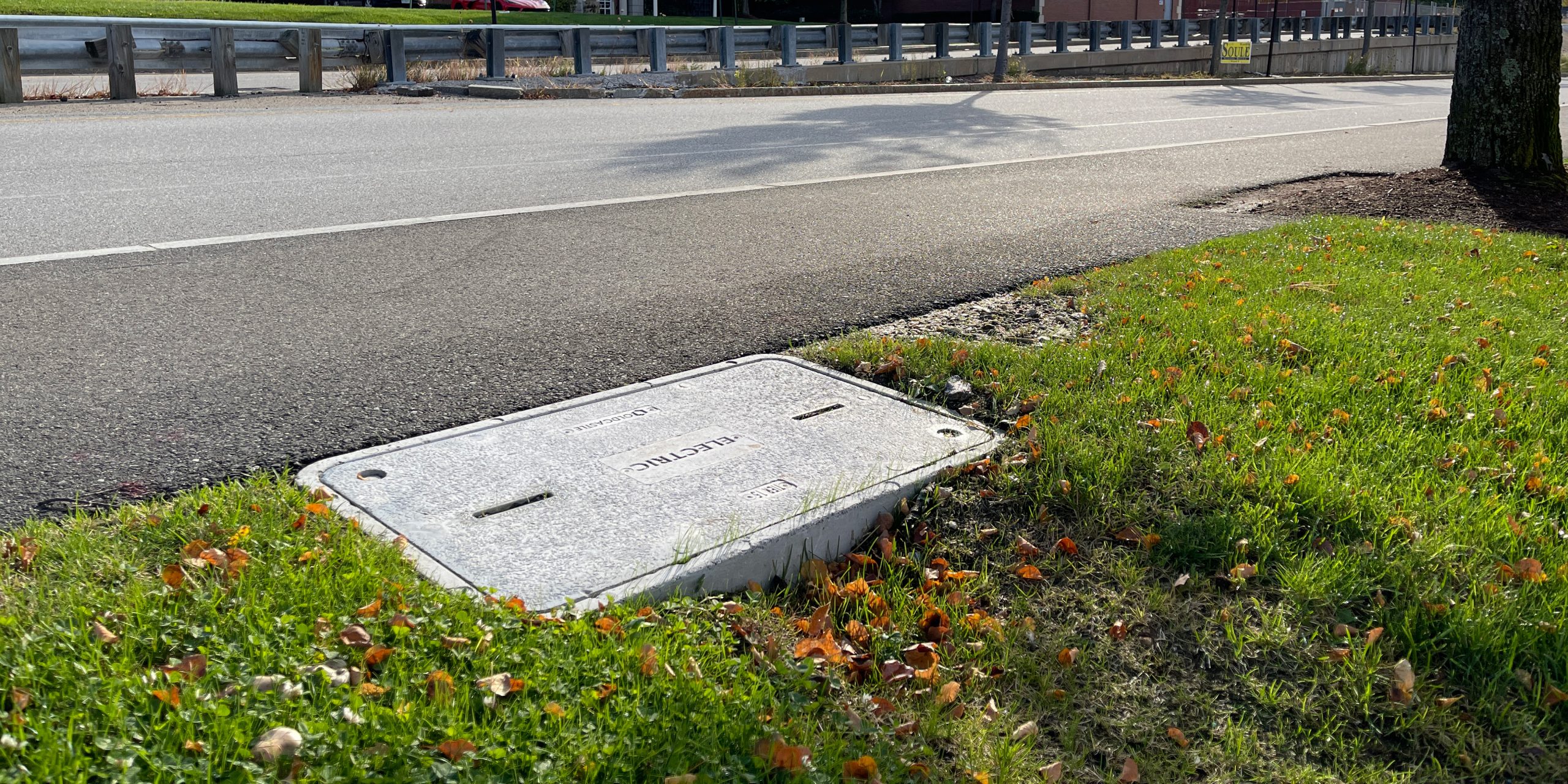
Fibrelyte lids from Oldcastle Infrastructure are engineered for AMR applications and provide an efficient solution for this challenge. Key advantages include:
- RF Transparency: Fibrelyte lids deliver true RF transparency by eliminating signal interference with their unique composite material. Since radio waves pass through the lid, the AMR antenna can be installed inside the enclosure or mounted flush through the lid, protecting the system from traffic, weather, and tampering.
- Cross-Compatibility: Fibrelyte lids are specifically designed to fit several Oldcastle Infrastructure enclosures, including models from the Carson and Christy product lines, as well as Fibrelyte bodies. This design ensures that field crews can directly replace or interchange Fibrelyte lids with existing lids in these enclosures without additional modifications, improving installation and maintenance efficiency.
- Improved Field Ergonomics: Using lightweight, high-strength composites reduces labor hours and costs. Fibrelyte offers plastic-like weight with Tier 8 strength, making installation and maintenance more efficient and cost-effective than traditional concrete.
- Field Modifiability: Fibrelyte’s composite material is easily drilled or cut in the field using standard power tools. This allows installers to perfectly align, mount, and customize inside hardware configurations on-site.
Maximize your smart utility investment with infrastructure engineered for digital connectivity. Contact Oldcastle Infrastructure today to review our technical data sheets and integrate RF-transparent Fibrelyte lids into your standardized engineering design guidelines.
Learn More:
- View our Fibrelyte Product Page
- Download the Fibrelyte Spec Sheet
- Access our Fibrelyte Cover Overview