December 15, 2025
Why Advanced Grit Management Matters—and How It Saves Millions
The Hidden Problem of Grit
Grit—tiny inorganic particles like sand, gravel, and silt—may seem harmless, but in wastewater treatment plants (WWTPs), it’s a costly challenge.
For nearly a century, grit management has focused on removing inert material at the headworks to protect downstream processes. Early standards defined grit as 212 microns at 2.65 specific gravity, essentially clean silica sand.
Why remove grit early? Because once it enters tanks, digesters, or piping, it causes:
- Tank volume loss: Grit accumulation reduces treatment process efficiency.
- Equipment wear: Abrasive particles damage pumps, augers, and centrifuges.
- Costly cleanouts: Removing grit from digesters can cost millions.
- Frequent repairs: Valves and pipes clog faster, increasing maintenance costs.
The True Cost of Poor Grit Management
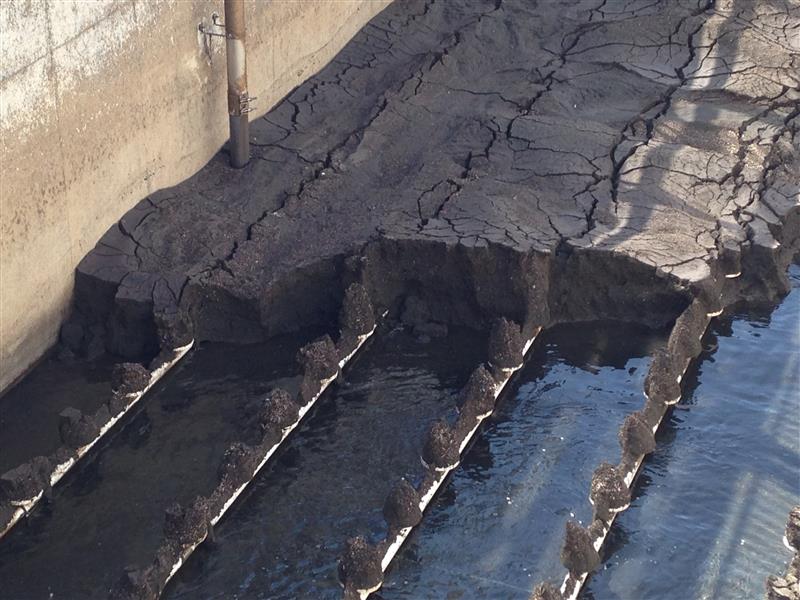
When grit bypasses headworks removal, it accumulates throughout the plant—in tanks, channels, pipes, and advanced treatment processes—leading to:
- Reduced process efficiency: Tanks lose volume as grit builds up.
- Expensive cleanouts: Digesters clogged with grit can cost millions to clean.
- Accelerated equipment wear: Pumps, chains, and flights fail faster under abrasive conditions.
- Frequent pipe replacement: Grit clogs valves and piping, increasing downtime.
Modern treatment technologies like fine bubble aeration improve process control but create new grit challenges. Reduced mixing means grit settles faster, making cleanouts harder and more expensive.
Modern Challenges Require Modern Solutions
Traditional grit removal technologies—detritus tanks, aerated grit basins, and vortex units—helped, but grit still made its way downstream. Today’s advanced processes, like fine bubble aeration, are particularly hard-hit as grit settles on ceramic diffusers, reducing aeration efficiency and forcing blowers to work harder.
The most cost-effective solution? Remove grit at the headworks.
Advanced Grit Removal at the Headworks
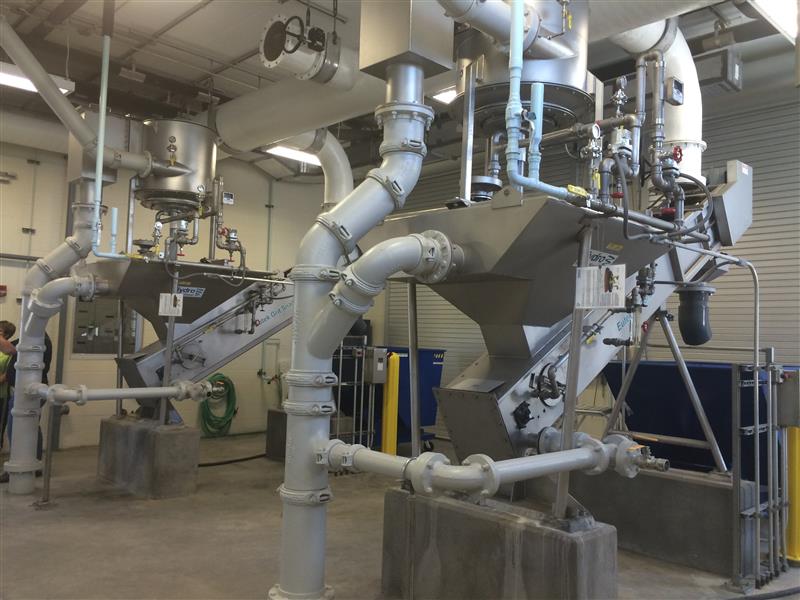
Modern grit removal systems capture fine particles efficiently, preventing downstream damage. Benefits include:
- Lower lifecycle costs
- Reduced odor complaints
- Easier and more cost-effective disposal (clean, dry inert material)
- Protection for advanced treatment technologies
Removing grit at the headworks isn’t optional—it’s essential for plant performance and cost control.
The Solution: HeadCell®
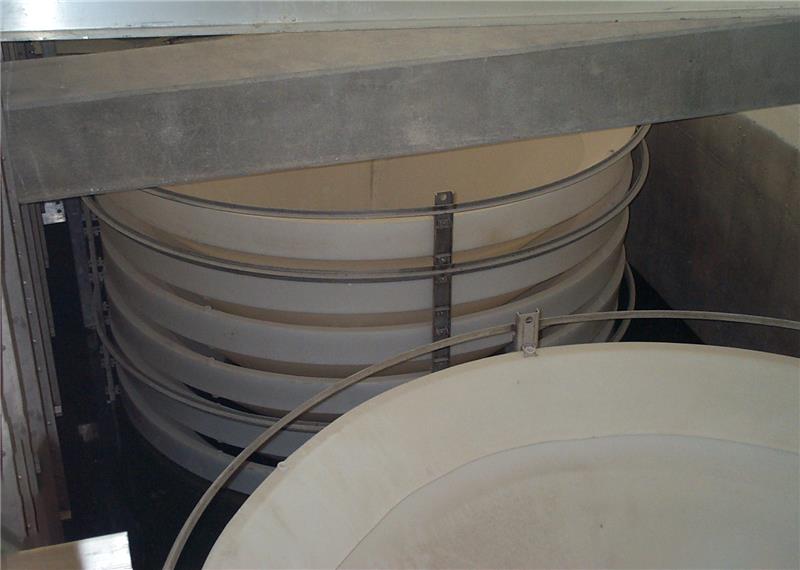
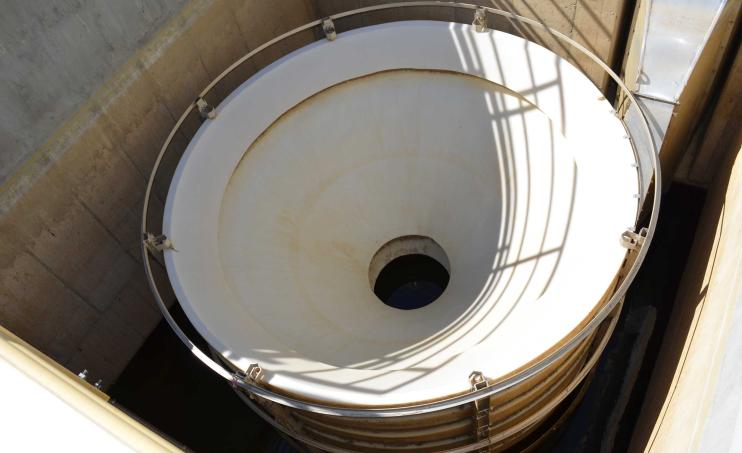
Oldcastle Infrastructure’s HeadCell® modular stacked tray grit separator captures and retains 95% of all grit 75 micron and larger with minimal headloss, protecting downstream equipment and processes from abrasive wear and sedimentation.
Key advantages:
- Small footprint: Fits in tight spaces and enables capacity increases using existing infrastructure.
- No electrical requirements & no moving parts: Low maintenance and high reliability.
- Durable design: Long component life with minimal wear under challenging conditions.
- Flexible installation: Ideal for new plants or retrofit upgrades; can be installed in a poured-in-place concrete basin above or at grade.
By enabling plants to meet stringent environmental requirements and protect critical downstream processes, HeadCell is the ultimate grit removal solution for WWTPs.
Learn More
- Discover our HeadCell advanced grit removal solution
- View our HeadCell product brochure