Project Information
Project:
Salt Lake City Water Reclamation Facility (SLCWRF) Project
Location:
Salt Lake City, Utah
Owner:
Salt Lake City Department of Public Utilities
Design Flow:
48 MGD (182 MLD) Average / 117 MGD (443 MLD) Peak
Oldcastle Infrastructure Equipment
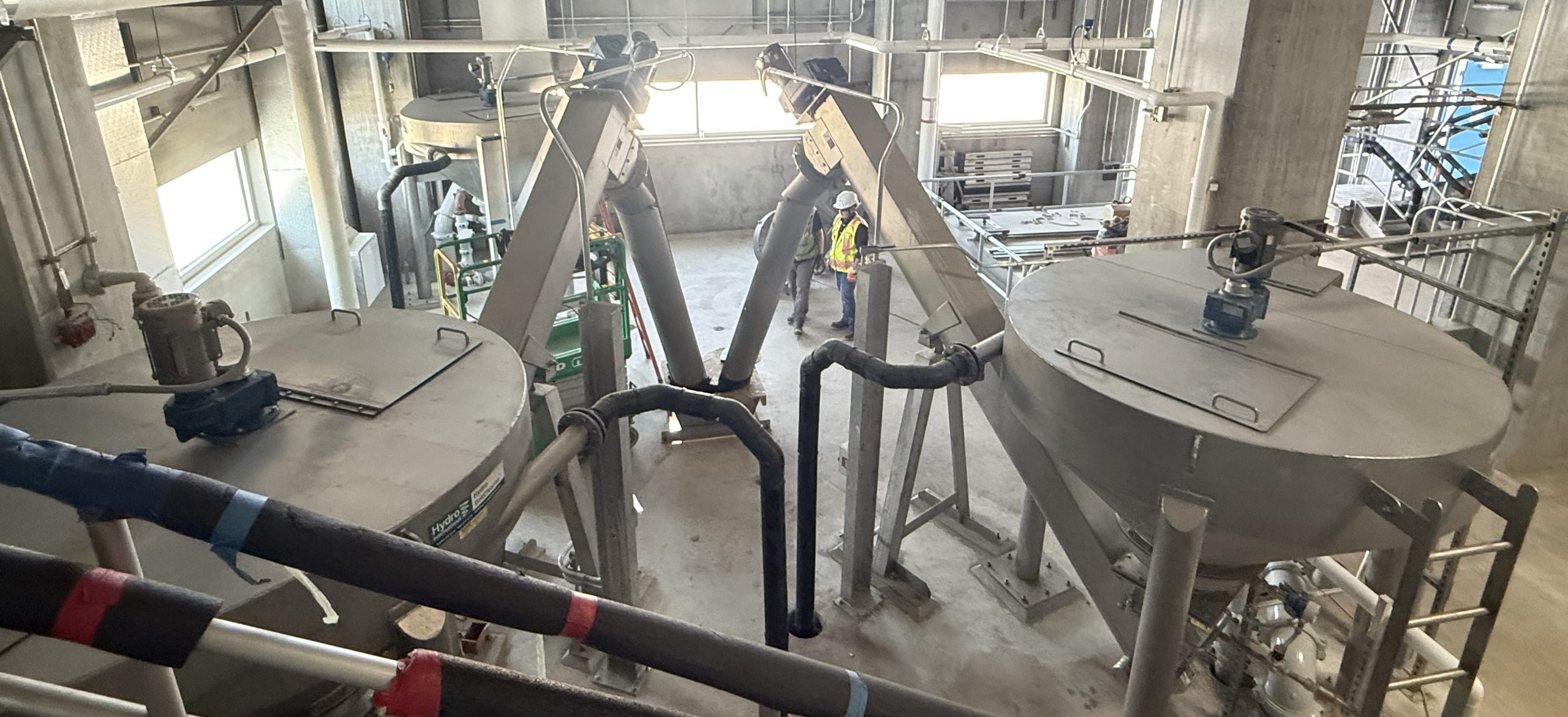
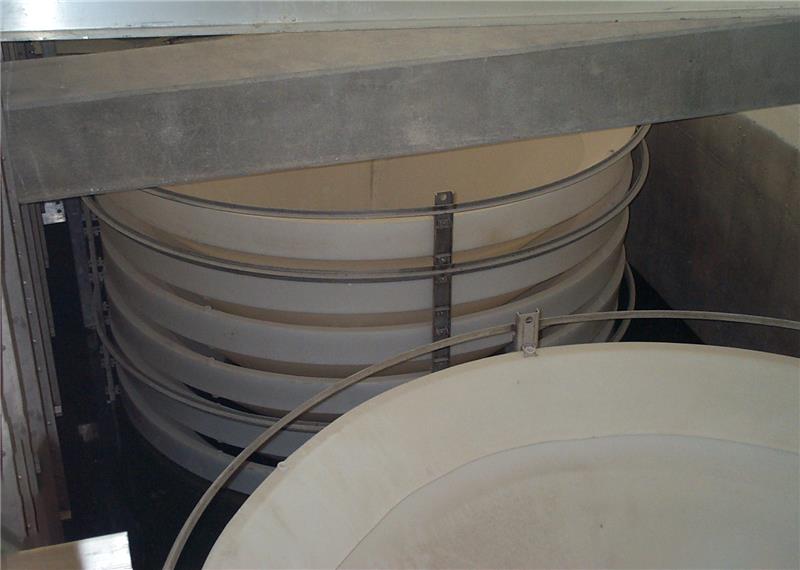
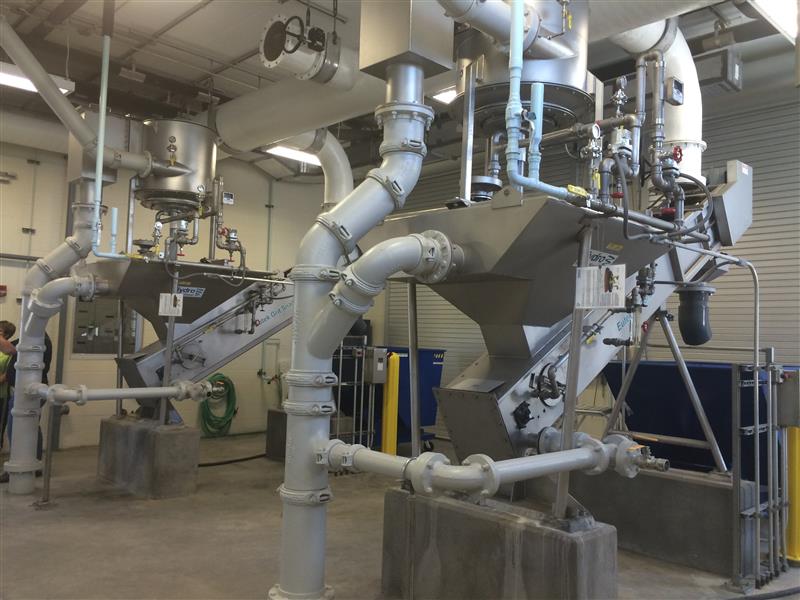
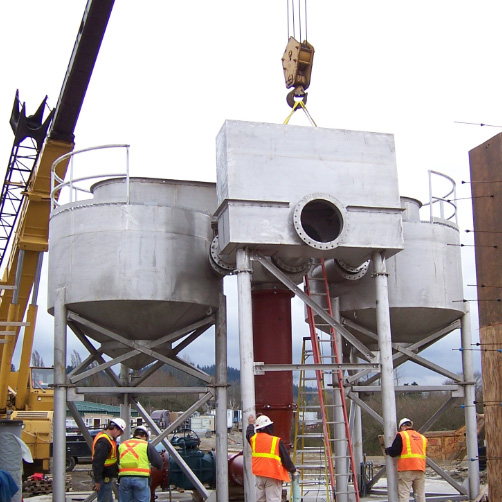
- Three 12′ (3.7 m) 12-Tray HeadCell® Advanced Grit Separation Systems
- Three Hydro GritCleanse® Fluidized Bed Grit Washing & Dewatering Systems
Project Background
The Salt Lake City Water Reclamation Facility Replacement Project is the largest public works project in the history of the Salt Lake City Department of Public Utilities and one of Utah’s most significant wastewater infrastructure investments.
As the city’s only wastewater treatment facility, the new water reclamation facility (WRF) will serve more than 200,000 residents while providing a modern treatment platform designed to meet evolving regulatory requirements and support future growth.
Replacing a plant that has operated for more than 50 years, the new facility is designed to treat an average of 48 MGD, with peak capacity up to 117 MGD. Constructed adjacent to the existing plant, the project incorporates advanced treatment technologies including biological nutrient removal (BNR), phosphorus and nitrogen removal, UV disinfection, solids processing, chemical feed systems, and modern headworks infrastructure.
The Challenge
Salt Lake City faced the challenge of replacing an aging treatment facility while maintaining uninterrupted operations, complying with increasingly stringent nutrient discharge regulations, and delivering a treatment platform capable of supporting future growth.
A key component of the project was developing an effective grit management strategy. Wastewater entering the facility contains abrasive inorganic materials such as sand, gravel, glass, and other dense solids that can accelerate wear on pumps, mixers, aeration equipment, piping, and solids handling systems.
Grit that passes through the headworks can accumulate in downstream processes, reducing treatment volume, increasing maintenance requirements, and negatively impacting performance.
Effective grit removal was essential to:
- Protect critical treatment equipment from premature wear.
- Maintain performance of the Biological Nutrient Removal (BNR) processes.
- Maintain performance of the Biosolids Management System.
- Reduce long-term maintenance and lifecycle costs.
- Prevent grit accumulation in tanks and process basins.
- Support reliable, efficient plant operation.
The Solution
To provide reliable, long-term grit management, Salt Lake City selected an Oldcastle Advanced Grit Management® solution consisting of three HeadCell stacked tray grit separators paired with three Hydro GritCleanse fluidized bed grit washing and dewatering systems.
Engineered by Hydro International, the HeadCell technology was selected for its ability to remove fine grit particles across a wide range of operating conditions, and for its decades of proven performance. Each of the three HeadCell units has a hydraulic capacity of 46.1 MGD while removing grit ≥106 micron at 23.1 MGD.
Captured grit is processed through the Hydro GritCleanse systems, where it is washed and dewatered to separate organic matter from inorganic solids. The process produces a clean, low-organic grit product that reduces odors, minimizes disposal costs, and improves solids handling efficiency.
Together, the systems provide an integrated pretreatment solution that preserves treatment capacity, improves process stability, reduces maintenance requirements, and supports reliable long-term operation.
Results
The HeadCell and Hydro GritCleanse systems provide a critical layer of pretreatment by removing abrasive inorganic material before it can impact downstream operations. This proactive approach helps reduce equipment wear, minimize maintenance requirements, preserve treatment capacity, and support long-term asset reliability.
Effective grit management also enhances the performance of the facility’s advanced BNR processes, supporting compliance with stringent phosphorus and nutrient discharge requirements while maintaining treatment efficiency.
As Salt Lake City’s only wastewater treatment facility, the new WRF represents a generational investment in environmental stewardship and community resilience. By combining advanced treatment technologies with effective grit management, the facility is positioned to protect the Jordan River and the greater Great Salt Lake watershed while providing reliable treatment capacity for future growth.
Project Milestone:
As Oldcastle Infrastructure’s 1,000th HeadCell installation, the Salt Lake City WRF project marks a significant milestone for a technology trusted by utilities around the world to reduce lifecycle costs, improve process reliability, and protect critical wastewater infrastructure.
CivilSense™ real-time leak detection technology helped a historic Pennsylvania city address its aging water infrastructure, tackle non-revenue water and build drought resilience.
Situation
A small, historic Pennsylvania city was struggling with non-revenue water. With a population of a little under 60,000 people, its two drinking water treatment facilities provide clean water for the people of the city as well as more than 50,000 other people in the wider area, sourcing water from nearby rivers and distributing it via a network comprising over 45,000 taps.
The city has a history that stretches back to the 1700s; unfortunately, in common with much of the country its water infrastructure is similarly historic, and the city was suffering from an estimated non-revenue water loss of over 28%.
City leaders wanted to take action to address this situation and build drought resilience, with an objective of reducing withdrawals from nearby rivers and, having relied upon traditional leak detection techniques such as visual inspections and routine maintenance activities, they wanted to assess the effectiveness of new technologies.
Solution
The city identified Oldcastle Infrastructure’s CivilSense™ as a technology with the potential to improve its leak detection effectiveness and efficiency, and requested a pilot of the CivilSense Direct real-time leak detection service.
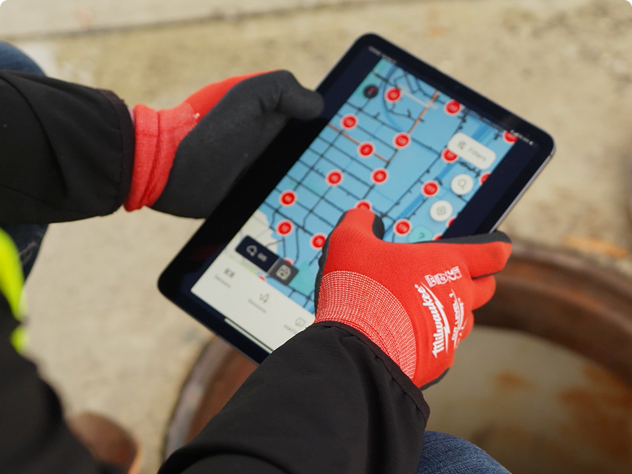
The Oldcastle Infrastructure team worked with the city to develop a project to demonstrate the effectiveness of the technology. The pilot would involve the deployment of temporary CivilSense sensors across 50 miles of mainline piping across the center of the city, AI analysis of gathered acoustic data, and a report pinpointing the location of any leaks detected.
Outcome
The Oldcastle Infrastructure team deployed 280 sensors in 625 sessions across the 50 miles of network, generating 52 distinct waypoints.
Of these waypoints, AI analysis determined that 13 were leaks: seven small, five medium and one large. The leaks were detected on mains, at client meters and in assets such as valves and hydrants; using AWWA nominal values, the total water loss from these leaks was estimated at 180 gallons per minute, which equates to over 94 million gallons per year.
What is a Waypoint? A Waypoint is an acoustic signature that the AI has assessed to be consistent with a leak based on comparison against a comprehensive library of previously detected and validated acoustic signatures. Waypoints are validated and pinpointed using sensors and a technique called correlation, which confirms and then precisely determines the location of the leak.
In numbers:
- Miles of network assessed: 50
- Sensors deployed: 280
- Active listening sessions: 625
- Waypoints generated: 52
- Leaks detected: 13
- Estimated annual losses: 94,000,000 gallons
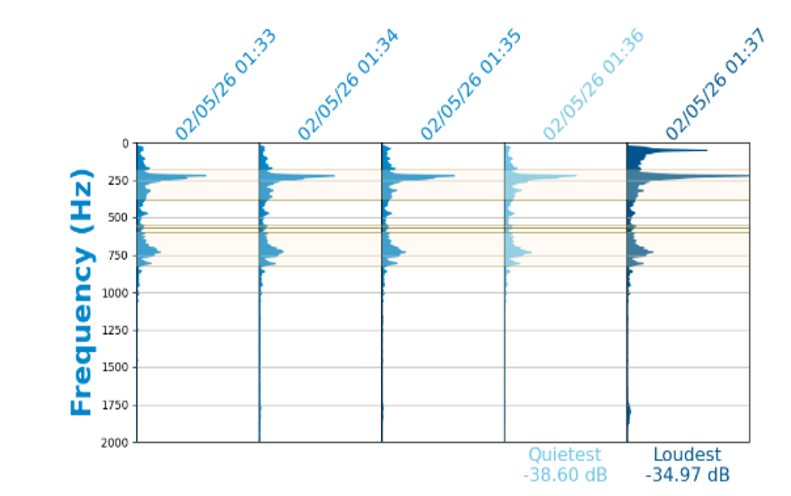
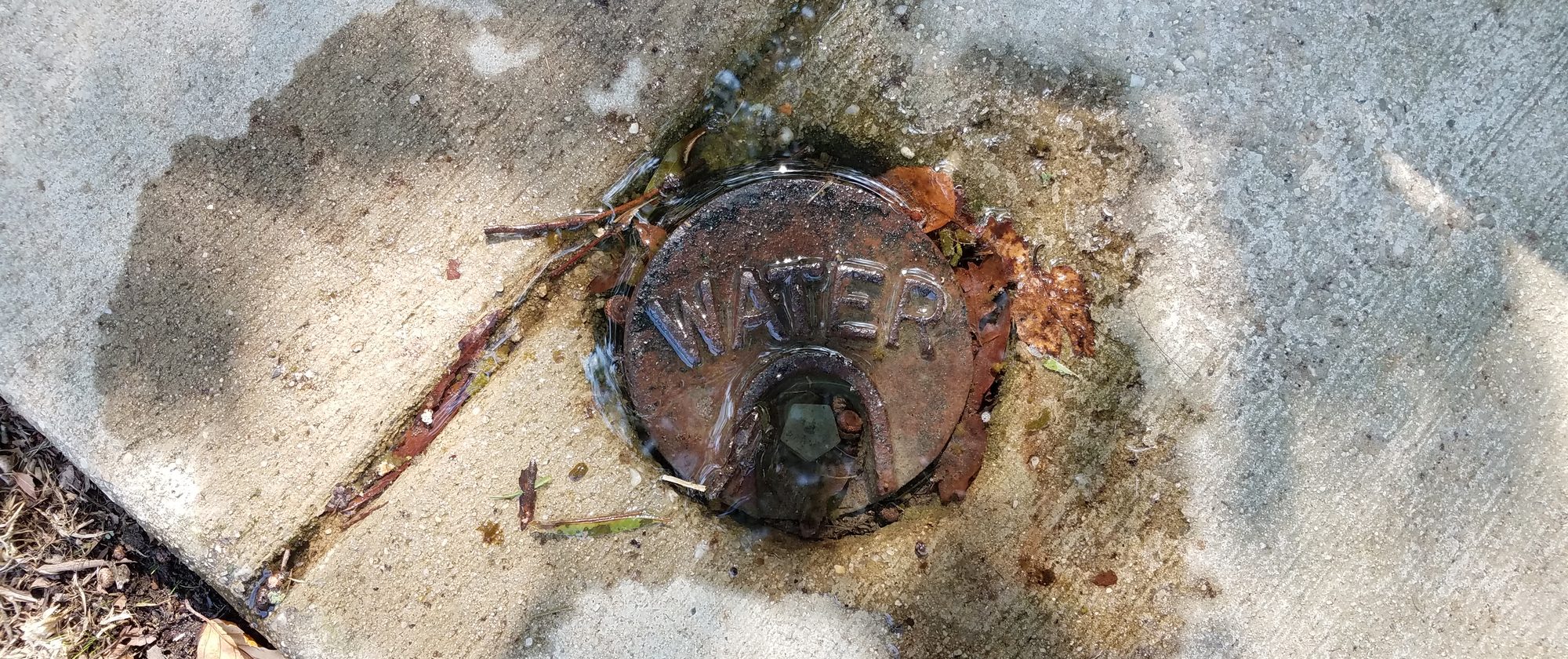
The acoustic signature of the largest leak detected
The Oldcastle Infrastructure team used correlation techniques to pinpoint the location of each leak, marked up the leaks in situ, and provided the city with detailed leak reports for each one, enabling targeted repairs to be undertaken.
As a result of the CivilSense pilot project, the city identified and located 13 previously undetected leaks, enabling cost-effective repairs to be carried out only on those sections of the network where leaks were present. Further, the project confirmed to city leaders that CivilSense technology is accurate, reliable and effective.
“City leadership should be applauded not only for taking such a proactive position on drought resilience, but also for recognizing the potential of new technology,” said Jamie Bourassa, General Manager, CivilSense.
“Municipalities all across the United States are facing the critical challenges of aging infrastructure and a changing climate, and unfortunately yesterday’s technologies and ways of working simply aren’t going to be enough to tackle them.”
Learn More
Background
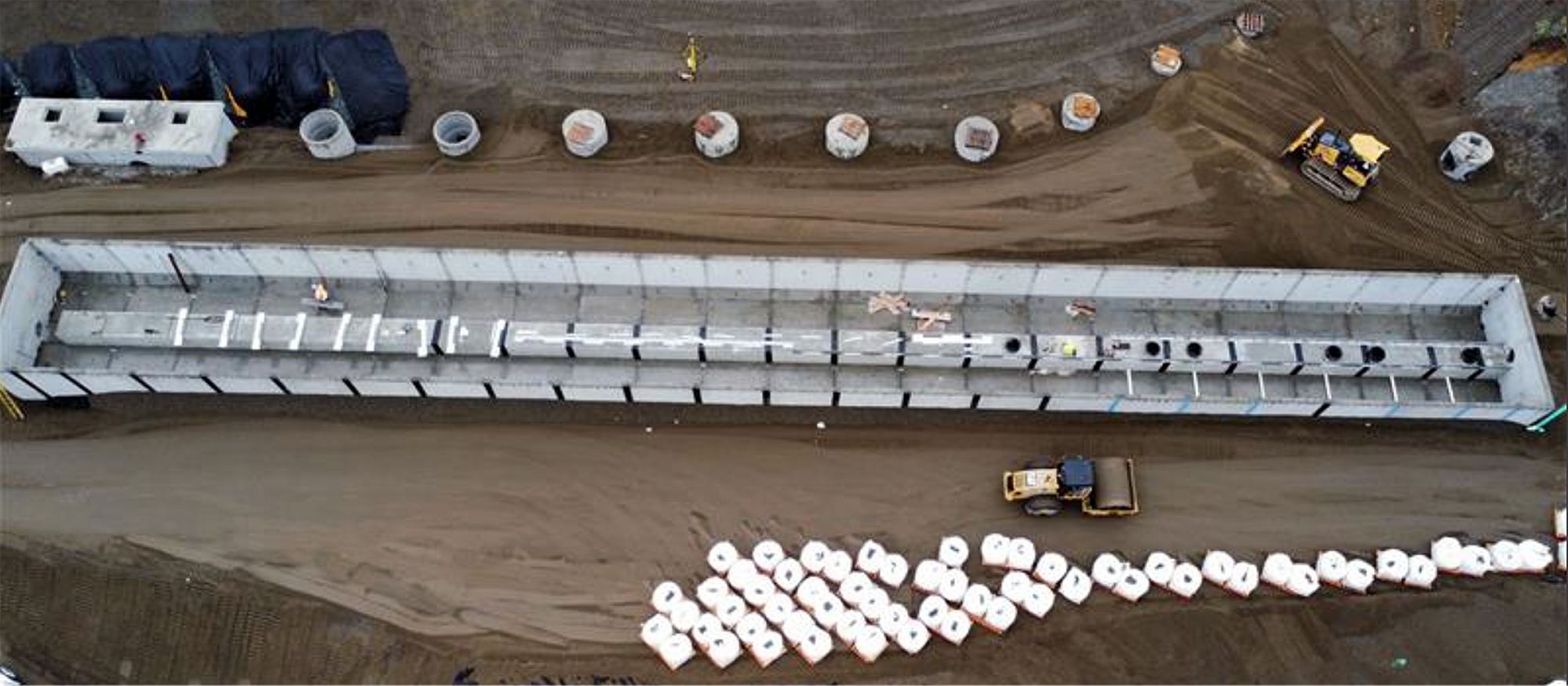
The Old Nazareth Road Drainage Improvements project in Palmer Township, Pennsylvania, was a critical infrastructure upgrade designed to address long-standing stormwater challenges in a heavily developed commercial and residential area.
Located just less than an hour from Oldcastle Infrastructure’s Telford production facility, the project serves a densely populated area that includes multiple businesses and nearby homes.
Engineered by Herbert, Rowland & Grubic, Inc. (HRG) and executed by Doli Construction Corporation, the project required a high-performance drainage solution capable of supporting both current demands and future development. Oldcastle Infrastructure supplied precast concrete box culverts for the project as well as sanitary manholes, both manufactured locally at the Telford plant.
Challenge
For decades, the project area experienced significant flooding due to undersized and deteriorating corrugated metal pipe (CMP) infrastructure installed in the early 1980s. The aging stormwater system lacked the capacity to handle increasing runoff, resulting in frequent flooding that impacted many businesses within a one-and-a-half block radius, as well as surrounding residential properties.
In addition to hydraulic limitations, the site presented logistical challenges, including tight construction conditions, active commercial operations, and the need to maintain access for customers and residents. These constraints required a solution that could be installed efficiently while minimizing disruption, all while delivering a long-term improvement in stormwater management.
Solution
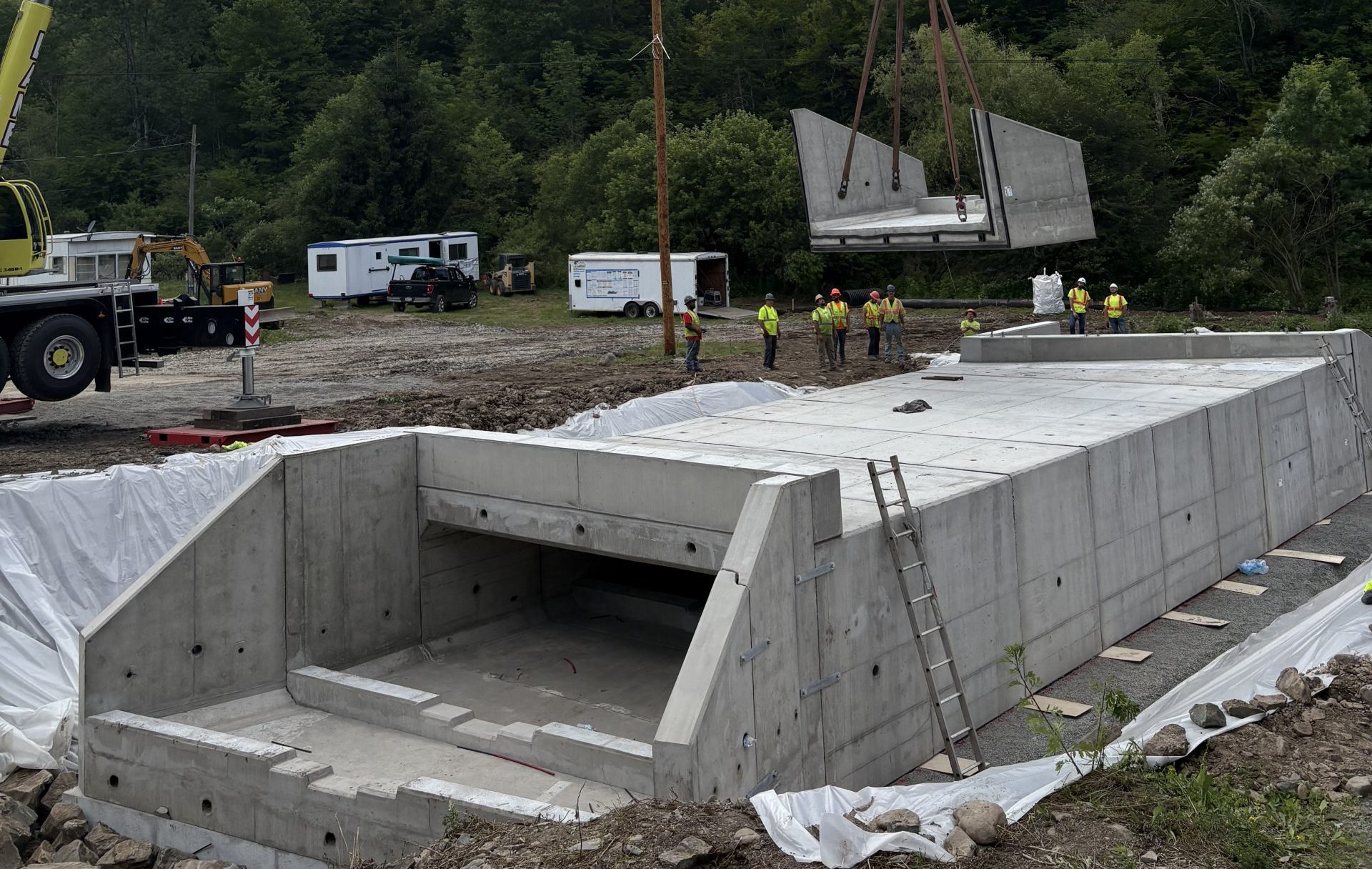
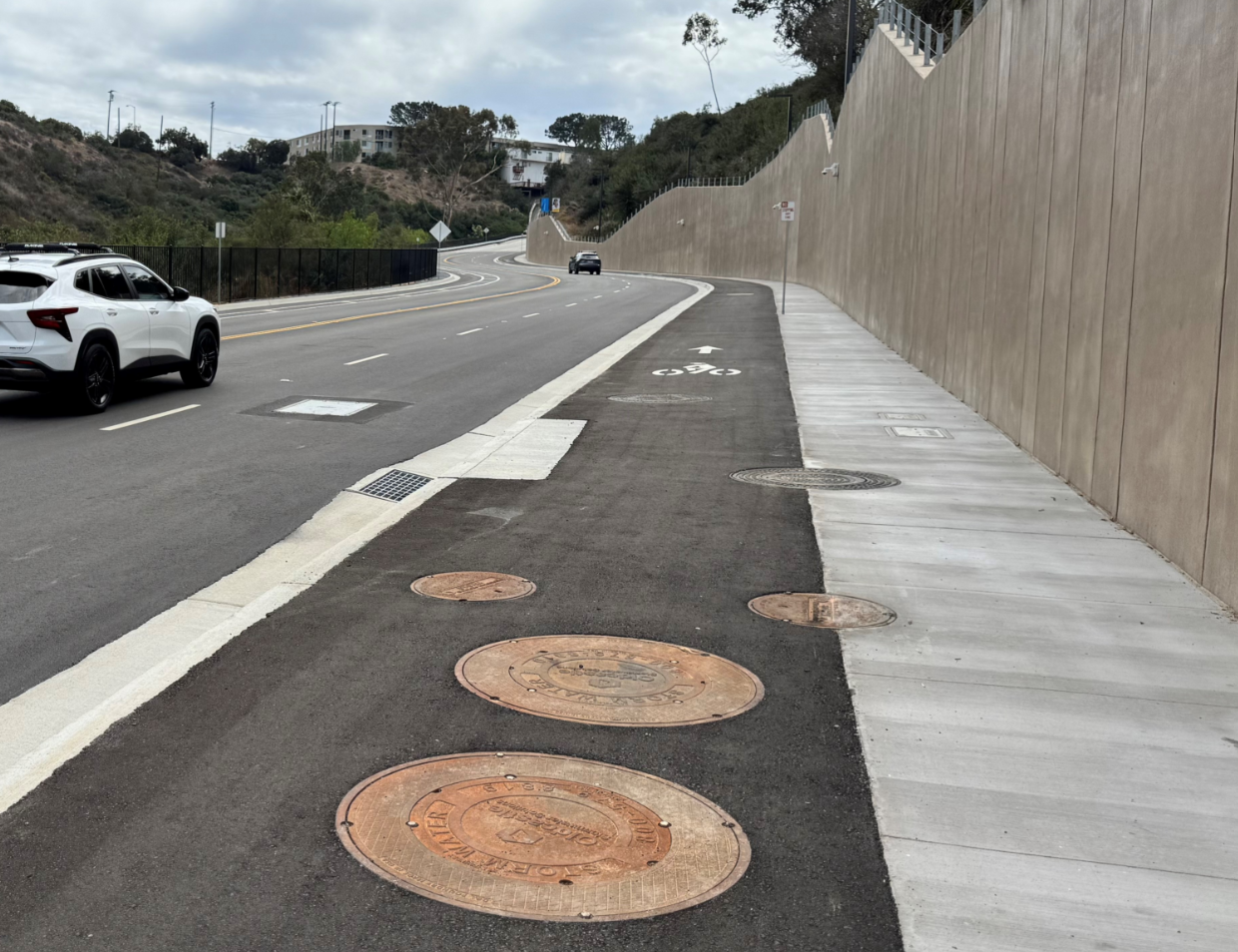
Oldcastle Infrastructure’s precast concrete box culverts provide a durable, scalable, and high-capacity solution to replace the outdated CMP system. The project incorporated a range of box culvert sizes (primarily 12-foot by 5-foot sections transitioning to 7-foot by 5-foot sections), effectively increasing flow capacity by two to three times compared to the original infrastructure. The solution also included 4-foot diameter sanitary manholes reaching depths of 25 to 30 feet, ensuring compatibility with existing underground utilities and preventing future conflicts.
The use of precast concrete components enabled controlled manufacturing conditions, improved product consistency, and faster on-site installation. Crews averaged the installation of five to eight sections per day, supported by coordinated delivery schedules and close collaboration between Oldcastle Infrastructure and Doli Construction. The modular nature of the box culverts allowed for efficient placement even in confined spaces, addressing the challenges posed by the dense urban environment.
Impact
The box culvert installation is expected to deliver a transformative impact on stormwater management in Palmer Township. With an anticipated service life of approximately 100 years, the new system provides a long-term solution designed to accommodate increased runoff and future development. By significantly expanding hydraulic capacity, the upgraded infrastructure will mitigate flooding risks, helping to protect local businesses, reduce property damage, and improve overall community resilience.
During construction, the project required careful coordination to balance progress with ongoing business operations. While temporary disruptions were unavoidable, strong communication and phased installation helped maintain accessibility. Upon completion, the improved drainage system will enhance roadway reliability, reduce maintenance requirements, and deliver lasting value to both residents and business owners.
Further, the project highlights the efficiency benefits of precast concrete solutions, including reduced installation time and improved construction predictability.
Conclusion
The Old Nazareth Road Drainage Improvements project demonstrates how Oldcastle Infrastructure’s precast concrete box culverts can effectively address complex stormwater challenges in urban environments. By replacing undersized and deteriorating infrastructure with a high-capacity, durable solution, the project not only resolves longstanding flooding issues but also positions the community for future growth.
Through collaboration with engineering and construction partners, Oldcastle Infrastructure delivered a reliable, high-performance drainage system that will serve the city of Palmer Township for decades to come.
This project reflects the value of high-performing, innovative precast solutions for modern infrastructure projects where performance, longevity, and installation efficiency are all critical.
Learn more:
At a Waffle House location in Nashville, Tennessee, PerkFilter™ is doing more than managing stormwater; it is helping validate the future of stormwater treatment technology.
Project Overview
Oldcastle Infrastructure’s PerkFilter system is an underground stormwater treatment system designed to improve water quality by removing pollutants from runoff before it enters local waterways. Using engineered, media-filled filtration cartridges, the system captures key contaminants such as total suspended solids (TSS), phosphorus, and nitrogen. Widely used in commercial and municipal applications, it offers a compact, high-performance solution that is also simple to maintain and service.
Originally installed in 2020 as a fully operational system, the site has since been leveraged as a monitored test location as part of the NEST (New Stormwater Technologies) program. Through this initiative, Oldcastle Infrastructure is collecting performance data to support increased regulatory approval and broader adoption of the technology.
Background: The NEST Program
The NEST program is a North Carolina-based initiative designed to establish a formal, state-recognized pathway for approving stormwater treatment devices through verified field performance.
Each product must be monitored at two sites:
- One site within North Carolina
- A second site either within North Carolina or outside the state, provided rainfall patterns and soil conditions are similar
Since PerkFilter is not yet approved in North Carolina, there are no existing installations available for monitoring. Establishing a new test site within the state is a difficult and time-consuming process. It requires a project designer willing to specify an unapproved system, construction coordination and completion, and sufficient time for the site to stabilize before monitoring can begin.
To accelerate testing, Oldcastle selected an existing installation in Nashville, where monitoring could begin immediately under comparable environmental conditions. This allows the team to efficiently meet program requirements while collecting reliable, real-world data from a typical, operational system that treats actual stormwater runoff which is much more complex than synthetic stormwater formulated in a laboratory.
Challenge
To support PerkFilter’s inclusion in the NEST program, Oldcastle Infrastructure needed to capture reliable, defensible pollutant removal data under real operating conditions while maintaining standard system performance.
The selected monitoring site also needed to:
- Reflect environmental conditions similar to North Carolina
- Provide adequate space for an array of monitoring equipment
- Operate as an active commercial property
The Nashville Waffle House site introduced additional complexity due to its high traffic and continuous operations, requiring maintenance activities to be carefully executed with minimal disruption.
Solution
Oldcastle addressed these challenges by leveraging the existing PerkFilter system in Nashville, which provided runoff with appropriate pollutants and pollutant concentrations, suitable environmental conditions, and immediate readiness for monitoring.
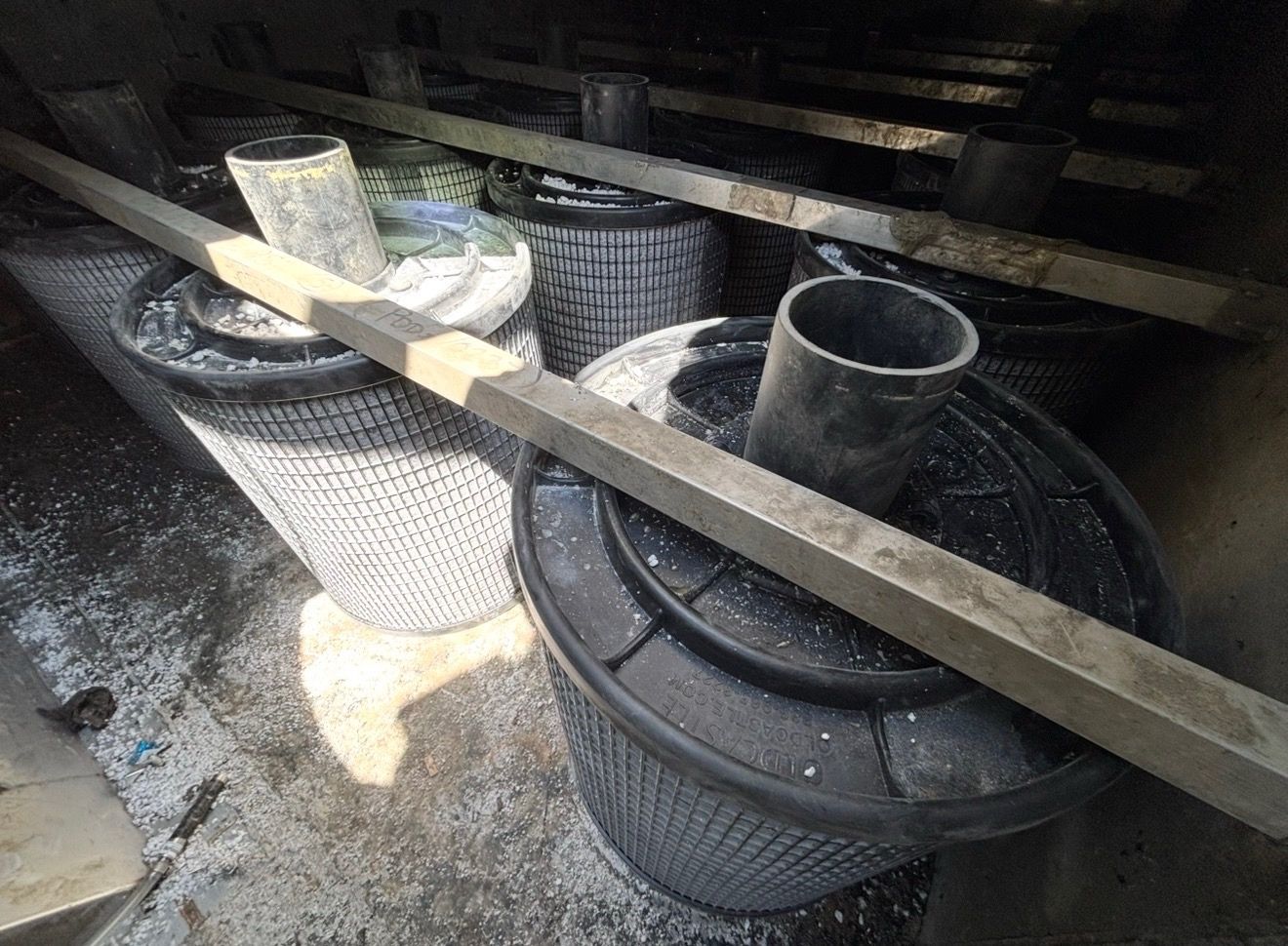
To prepare the system, a standard maintenance cycle was completed in late 2024, followed by ongoing monitoring. The maintenance process included:
- Removal of spent filtration cartridges
- Inspection and cleaning of the structure
- Replacement with new, media-filled cartridges
Maintenance was completed efficiently with careful planning to ensure safety and minimize disruption to site operations.
This project reinforces that PerkFilter systems are designed for straightforward, efficient maintenance. With basic training, a wide range of qualified contractors can perform routine service, making it a practical and scalable solution for utilities and site owners.
Our Service & Maintenance Approach
While Oldcastle Infrastructure maintenance team provides expert service and support, PerkFilter systems are intentionally designed to be easy to maintain without specialized or limited providers.
Routine maintenance activities such as cartridge replacement, inspection, and cleaning can be completed quickly and safely by trained crews, helping customers avoid operational complexity and reduce long-term maintenance concerns.
This ease of service is a key consideration for engineers and owners selecting stormwater treatment solutions since it helps control long-term operational costs.
Service & Maintenance
A key component of Oldcastle Infrastructure’s service offering highlighted in this project is the PerkFilter cartridge exchange program, which introduces a more sustainable and cost-effective approach to system maintenance. Rather than replacing spent filter cartridges with entirely new units, used cartridges are emptied, collected, cleaned, refurbished, and returned to inventory. The refurbishing process involves removing and disposing of spent media, cleaning and repairing the structural components, and sending the renewed units to manufacturing facilities where they are refilled with new media. This allows the cartridges to be reused without compromising performance.
The program provides clear benefits for both Oldcastle Infrastructure and its customers. Contractors can receive refurbished cartridges at a reduced cost or receive credits toward future purchases, while Oldcastle Infrastructure reduces its reliance on new raw materials. Already established in the western United States, this program is now being implemented in the eastern region, supporting a more circular lifecycle model for stormwater treatment products and reinforcing the company’s commitment to sustainability.
About PerkFilter
PerkFilter is an underground stormwater treatment system designed to improve water quality by removing pollutants from runoff before it enters local waterways. Using engineered, media-filled filtration cartridges, the system captures key contaminants such as total suspended solids (TSS), nitrogen, and phosphorus, which are pollutants that can negatively impact rivers, lakes, and downstream drinking water supplies if left untreated.
Commonly used in commercial and municipal applications, PerkFilter is well-suited for sites with limited space while still meeting stringent regulatory requirements. Engineers and specifiers choose PerkFilter for its competitive capital cost, proven performance, ability to deliver measurable, field-validated results, and easy and cost-effective maintenance.
Its role in programs like NEST further reinforces its reliability, demonstrating effectiveness while offering a maintainable, long-term solution supported by ongoing service and cartridge exchange programs.
Impact
The PerkFilter delivers impact across multiple dimensions, combining regulatory advancement, environmental benefits, operational excellence, and sustainability. Through ongoing monitoring, the testing at the Nashville site is generating the data required to support NEST approval, helping position PerkFilter as a validated, trusted solution for engineers and regulators.
At the same time, the system continues to improve water quality by removing pollutants from stormwater runoff, supporting broader environmental goals. The successful execution of maintenance activities in a high-traffic commercial setting demonstrates Oldcastle Infrastructure’s ability to deliver efficient, low-disruption service, while the exchange program reduces material waste and extends the lifecycle of system components.
Together, these outcomes highlight the value of integrating performance validation, service expertise, and sustainability into a single project.
Conclusion
This project illustrates how Oldcastle Infrastructure is advancing stormwater management through a combination of innovation, field validation, and operational expertise. By leveraging an existing system for performance monitoring, maintaining it through a highly coordinated service effort, and incorporating sustainable practices through the exchange program, Oldcastle Infrastructure has created a model for how stormwater solutions can deliver both immediate and long-term value.
As programs like NEST continue to shape the future of stormwater regulation, solutions that combine proven performance, ease of maintenance, and real-world validation will play a critical role in driving adoption.
Learn more:
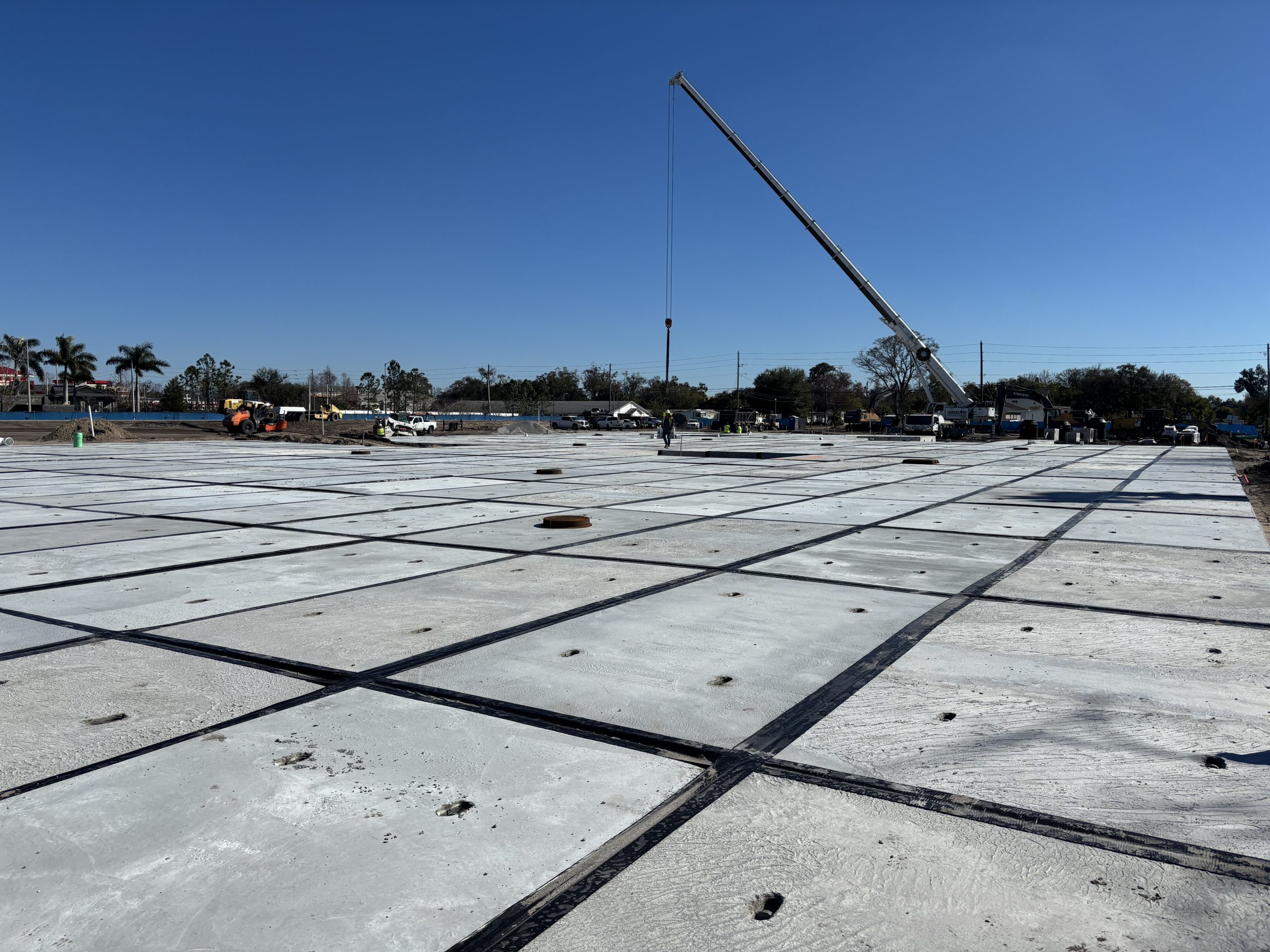
Background
Olea on 126th is a 144‑unit, 100% income‑restricted affordable housing community in Largo, Florida, designed to serve working families who are increasingly priced out of Pinellas County. According to an article from Hoodline, every apartment is reserved for households earning roughly 40-80% of Area Median Income (AMI), with a program that intentionally prioritizes family-sized two‑, three‑, and four‑bedroom homes. The $55 million development is supported in part by $7.92 million from the Penny for Pinellas infrastructure surtax program and additional public and private financing typical for income‑restricted housing.
Oldcastle Infrastructure’s stormwater team partnered closely with county leadership, the City of Largo’s planning and infrastructure staff, affordable housing developers, and the general contractor to integrate a modern underground stormwater management system that preserves scarce buildable land for housing and parking.
Challenges
The development team faced the core challenge common to infill affordable housing: reconcile stringent stormwater and flood‑risk requirements with the need to maximize residential yield and family‑oriented parking on a constrained site. In Florida, this challenge is compounded by high groundwater tables and near sea‑level elevations, which often limit the feasibility of conventional detention and can drive up costs for underground infrastructure due to buoyancy control, excavation depth, and long‑term durability needs.
A traditional surface retention pond would have displaced valuable land area, reducing the total number of affordable units and associated parking and undermining the project’s core mission to expand housing access for lower‑income households. The team therefore needed a compact, reliable, and constructible underground system that could deliver flood‑mitigation performance while preserving buildable area for homes and daily life.
Solution: StormCapture®, Engineered for Florida Groundwater
Oldcastle Infrastructure supplied its StormCapture system configured as an underground storage and conveyance network that moves stormwater off travel ways, captures runoff, and safely detains flows to reduce localized flooding. To address the site’s shallow groundwater and buoyancy constraints, the system was designed with an internal chamber height of approximately 1.83 feet rather than the typical 2‑foot minimum internal height commonly used with StormCapture. This tailored internal geometry reduces excavation depth, improves constructability, and fits within the site’s geotechnical envelope without compromising storage volume targets across the assembled modules.
Precast concrete chambers were selected over plastic alternatives to speed installation, reduce life‑cycle cost, and provide inherent resistance to buoyancy in high water‑table conditions. Concrete’s mass and rigidity minimize the need for additional anchoring or anti‑floatation measures, simplify construction sequencing, and enhance long‑term resilience against groundwater fluctuations. The modular design allowed the project team to configure storage beneath areas needed for buildings and parking, reclaiming the land that would otherwise have been consumed by a surface pond. The design decisions increased usable land area for family-sized units and on‑site parking without sacrificing stormwater performance.
Sustainability Impact
By shifting stormwater management underground, the development reduces surface flood risk along pedestrian and vehicular corridors and improves everyday safety for residents, visitors, and service providers. Subsurface storage also helps attenuate peak flows, which can lower stress on downstream systems during intense storm events. Precast concrete delivers long service life and structural durability, supporting lower maintenance and embodied resilience over decades of operation.
The design aligns with resilient urban development practices by integrating critical infrastructure under the footprint of the community, which preserves open space for people‑centric uses and reduces the project’s horizontal sprawl. In Florida’s coastal context, the system’s buoyancy‑resistant construction and shallow profile are particularly advantageous, helping the property adapt to seasonal groundwater variability and extreme rainfall.
Community and Economic Impact
The underground stormwater solution directly enabled the build‑out of 144 units across a complete affordability spectrum that meets the needs of local workers-teachers, hospitality staff, first responders, and others who form the backbone of Pinellas County’s economy. By avoiding a surface pond and concentrating storage below grade, the project preserved housing yield and parking counts that are essential to a family‑oriented program.
The result is more attainable homes in a location that keeps residents close to jobs, schools, and services, which supports workforce retention and regional economic stability. Public investment through Penny for Pinellas, paired with modern infrastructure delivered via StormCapture, demonstrates that ambitious affordability goals can be met without compromising on safety, resilience, or urban design quality.
Outcome
Groundbreaking occurred in February 2026, with stormwater installation beginning the same day. Construction is scheduled to be completed by June 2027. When occupied, Olea on 126th will expand the supply of much‑needed family‑sized units in Largo, advance flood‑resilient site design, and provide a replicable model for integrating underground stormwater infrastructure into income‑restricted multifamily projects across Florida and similar coastal regions.
Conclusion
Olea on 126th showcases how targeted engineering adaptations within StormCapture can unlock land‑constrained affordable housing. By customizing internal chamber height for a high water‑table environment and leveraging precast concrete’s speed, strength, and buoyancy resistance, Oldcastle Infrastructure enabled the developer to prioritize people and homes while meeting stormwater performance and safety goals.
The project affirms that resilient infrastructure and affordability can move forward together, delivering long‑term environmental performance and community stability for Largo and the broader Pinellas County workforce.
Learn more:
BioPod™ helps Kitsap County, WA, keep pollution out of Puget Sound while preserving sensitive surface land.
Background
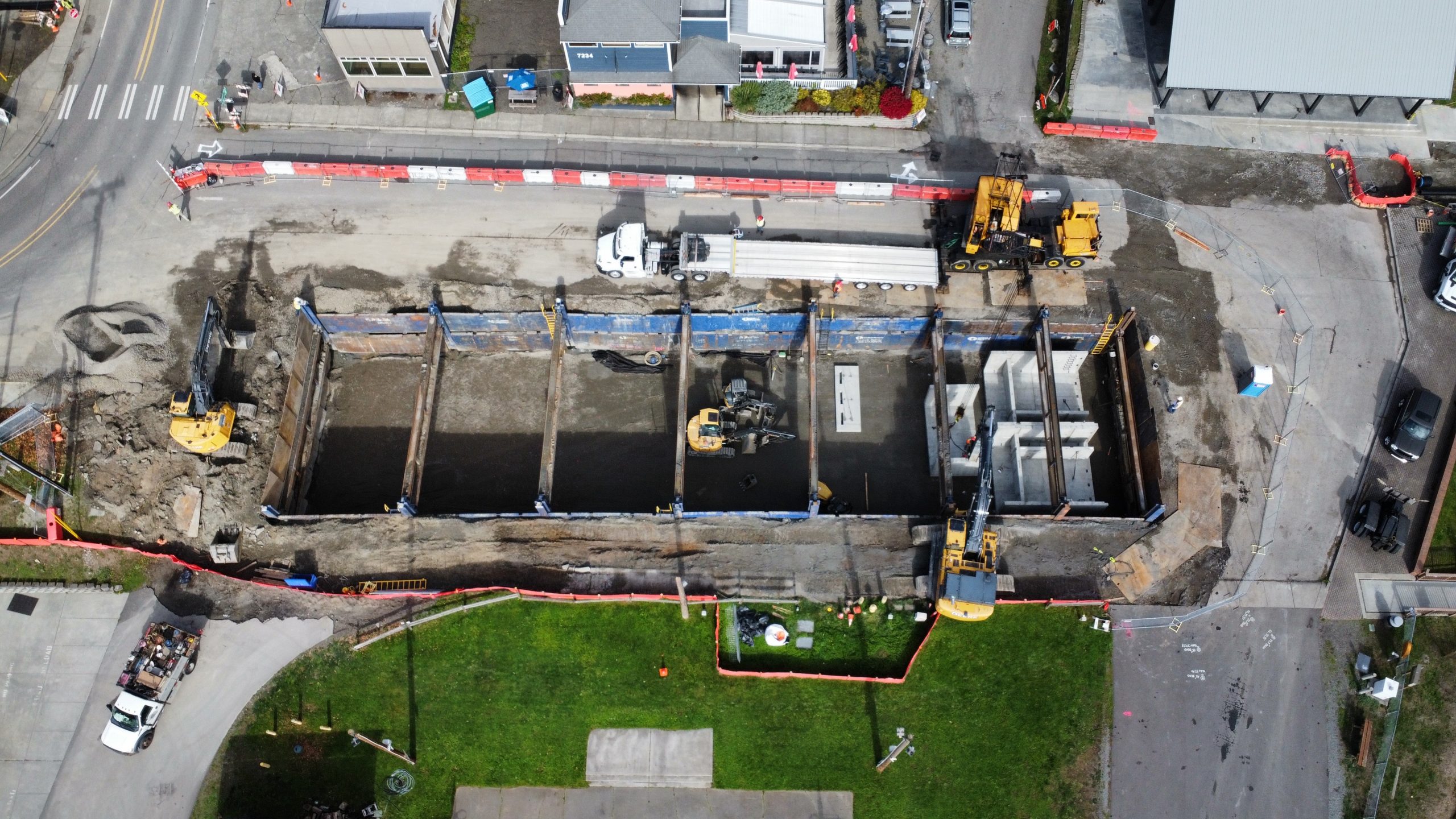
The Suquamish Regional Stormwater Facility represents a landmark application of large-scale underground green stormwater infrastructure designed to deliver high-performance stormwater treatment while preserving valuable community land.
Located in Suquamish, Washington, the project brings together Kitsap County, the Suquamish Tribe (People of the Salt Water), HD Fowler, and Oldcastle Infrastructure in a highly collaborative effort to protect water quality discharging directly into Puget Sound.
Faced with significant hydraulic demands, strict regulatory requirements, and a limited surface footprint, the project required a solution capable of managing both water quality and peak flows without impacting land usability above ground.
Challenges
The facility was designed to address runoff from a 182-acre drainage area, discharging directly to a highly sensitive receiving water.
Key challenges included:
- Treating large water quality flows while also managing peak storm events
- Preserving culturally sensitive surface land for community use
- Meeting WSDOT bridge inspection and vehicle loading standards
- Designing for seismic stability
- Accommodating a 2.5-foot finished grade change within the system
- Delivering and installing a highly customized system within an aggressive project timeline
Traditional surface-based solutions would have required a much larger footprint, making them impractical for this site.
Solution: Underground Green Stormwater Infrastructure
To meet these constraints, as part of the $4.2M project the team selected a custom underground BioPod™ green stormwater infrastructure system, transitioning the application from a surface installation to a fully below-grade configuration.
The system comprised:
- A 30 ft by 154 ft underground BioPod green infrastructure system
- Designed water quality flow rate of 12.6 cfs
- Peak flow bypass capacity of 17.0 cfs
- 3,400 sq ft of StormMix™ media surface area
- A 5.5 ft overflow weir to manage bypass flows
- A three-sided precast concrete trench box structure with variable internal heights
By moving the system underground, the project preserved surface land use while delivering robust stormwater treatment capacity.
Collaborative Engineering Approach
A defining feature of the project was the level of engineering collaboration involved. Our stormwater solutions engineering team worked closely with the engineer of record to:
- Develop conceptual system layouts
- Perform system sizing and hydraulic calculations
- Design peak flow bypass routing
- Size underdrains and internal flow control features
- Configure and validate the precast structural system
Our expert team supported the project through six submittal revisions, providing full calculation packages, PE-stamped documentation, specifications, and conceptual details throughout design development.
When changes to WSDOT Bridge Inspection Standards forced a late-stage 90% plan change requiring dimensional adjustments, our precast concrete production capabilities allowed the team to pivot quickly, avoiding schedule delays and maintaining regulatory compliance.
Nearing final design, minor changes were made to the trench width, expanding it from a 14’ 11” section to a 15’ section. While this change may seem minor, implementing it greatly enhanced production flow and ensured that the tight installation timeline was met.
Structural Engineering and Constructability
Given the system’s size, loading requirements, and seismic considerations, a three-sided trench box structure was selected as the optimal solution.
To ensure a safe, effective design, our structural engineering team performed detailed analysis using advanced modeling tools to evaluate seismic racking, WSDOT vehicle live loads, ASTM C890 loading criteria, surcharge, dead and live loading requirements per ASTM C890. Midway through the system, internal heights transitioned from 7.5 ft to 10 ft, requiring a custom-fabricated headwall to bridge the elevation change.
By fabricating this transition offsite locally in precast concrete rather than relying on cast-in-place construction, the team significantly reduced installation time and eliminated on-site curing delays.
Maintenance-Driven Design
Long-term operation and maintenance were a central design consideration, especially for a green infrastructure system of this scale. Key maintenance features include:
- 36” access openings over each individual media cell
- 24” access openings over outlet structures and shear gates
- More than 30 total access points across the system
- Integrated ladder rungs cast directly into trench box walls
- Orifice controls to regulate treatment flows
- Shear gates enabling full system dewatering for inspection or repair
These features allow maintenance crews to safely and efficiently access every portion of the system without specialized equipment—reducing lifecycle costs and simplifying long-term stewardship.
Production, Delivery, and Installation
All precast components were manufactured at our Auburn, WA facility, located approximately 70 miles from the job site, which was an important factor in meeting the accelerated schedule.
Precast concrete production included:
- 32 trench box sections
- 32 top slabs with integrated access openings
- 18 internal walls
- 20 baffle walls
- Numerous riser and transition components
In addition, we supplied 1,150 ft of 8” slotted PVC pipe to convey the flow from the media bays to the outlet bay, as well as 244 tons of StormMix™ media, 80 tons of drain rock, and 564 cu ft of mulch.
Installation sequencing was carefully coordinated using detailed scheduling and drawings, allowing for continuous delivery and streamlined placement. Prefabricated keyways enabled rapid installation of partition walls and inlet flumes, further minimizing construction time.
The project was installed in just three weeks, with overall construction spanning August 2025 through March 2026.
Outcomes
The Suquamish Regional Stormwater Facility successfully delivered a large-scale underground green stormwater infrastructure system treating 182 acres of runoff, compliance with all applicable regional, structural, and seismic standards, preservation of valuable surface land for community use, accelerated construction with minimal disruption, and a highly accessible, maintainable system designed for long-term performance.
The project demonstrates how custom green stormwater infrastructure systems can solve complex site challenges, balancing performance, constructability, regulatory compliance, and community priorities.
Learn more
Pivoting midway through a project, a change from bioretention soil media to biofiltration media enabled San Pablo, CA to achieve a regulatory first for the Bay Area.
Background
The Sutter Avenue Urban Greening Project in San Pablo, California, demonstrates how green infrastructure can succeed in one of the most challenging environments possible: dense urban infill with high groundwater, flood risk, heavy utility congestion, and limited right of way.
Through close collaboration between the City of San Pablo, regulators, engineers, and Oldcastle Infrastructure, the project became a first‑of‑its‑kind high‑flow biofiltration infrastructure pilot for the San Francisco Bay Area, showcasing how adaptive design and regulatory flexibility can dramatically improve stormwater outcomes without expanding footprint.
The Site
San Pablo is located on the eastern edge of San Francisco Bay, just north of Berkeley and Oakland, and falls under the jurisdiction of the San Francisco Bay Regional Water Quality Control Board (Region 2).
The Sutter Avenue site lies within the Wildcat Creek watershed, an urbanized, low‑lying basin that experiences frequent flooding. The surrounding neighborhood is characterized by high population density (>10,000 residents per square mile), mixed residential and commercial land use, limited open space, and aging infrastructure.
Community impact and constructability within a lived‑in neighborhood were central considerations from the outset.
Challenges
This project presented an unusually dense concentration of constraints:
- 35 acres of contributing drainage area
- Extremely high groundwater, less than 3 ft below grade at the project site
- Frequent surface flooding, including:
- Up to 1 ft of water in a 2‑year storm event
- Highly constrained right of way
- Overhead power lines
- Underground water, gas, sewer, and electrical utilities
- On‑street parking and active traffic lanes
- Dense urban infill that left virtually no room for footprint expansion
Traditional stormwater treatment approaches were insufficient under these conditions.
Original Design Approach
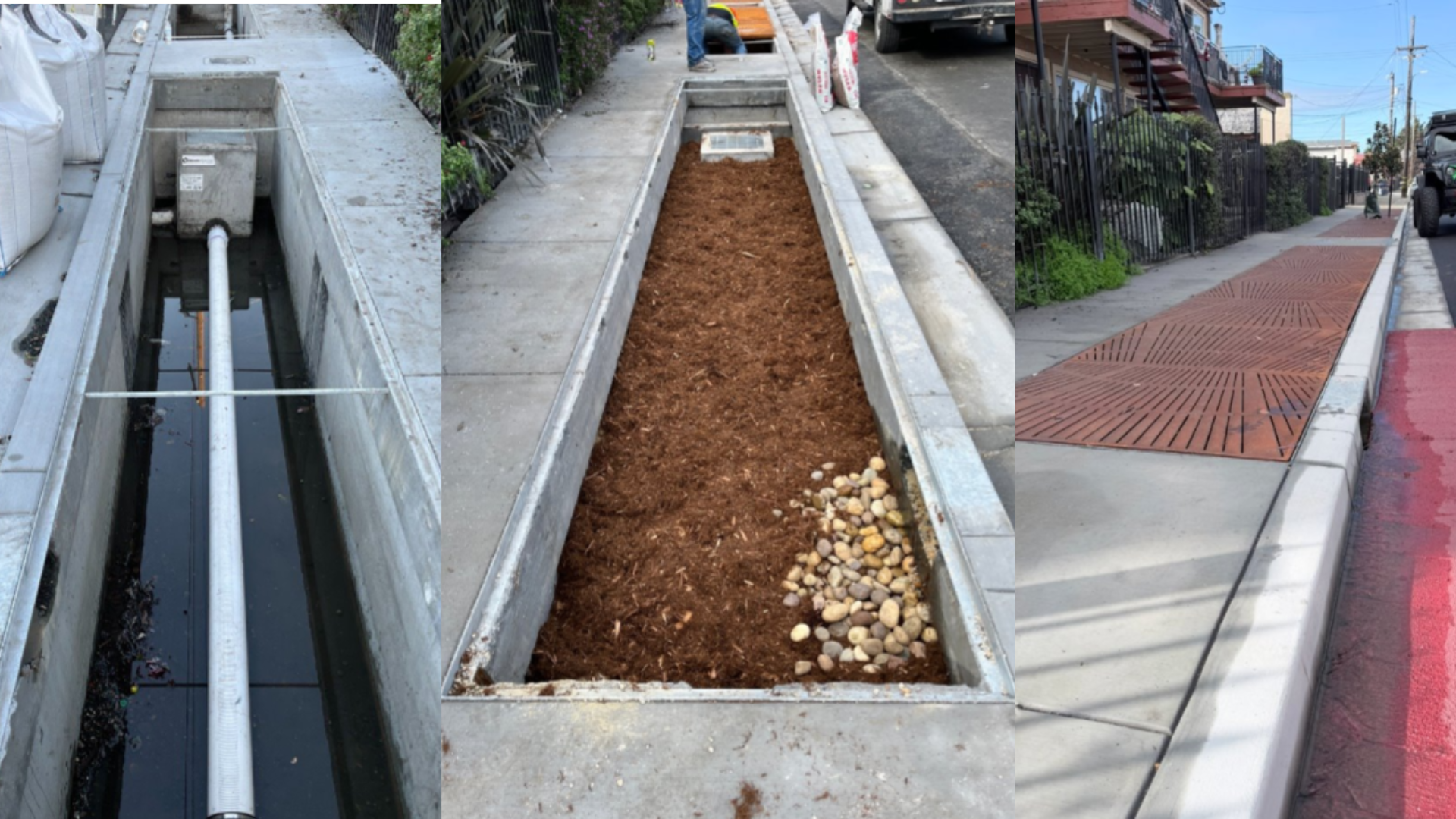
The original design consisted of 20 TerraMod™ precast concrete bioretention structures filled with standard bioretention soil media (BSM), with the system surrounded by geocellular spacing units to prevent soil compaction, increase subsurface storage capacity and expand the effective treatment footprint.
Each TerraMod unit measured approximately 4 ft x 21 ft and included horizontal slots that allowed stormwater to flow from the bioretention cell into the surrounding soil.
Modeling demonstrated that this system design would meet treatment goals at a smaller footprint than alternative treatment options.
Regulatory Collaboration and Mid‑Project Innovation
The turning point for the project came during construction.
Through ongoing coordination between The City of San Pablo, Geosyntec Consultants, Kerex Engineering, Region 2 regulators, and our expert stormwater team, the project team leveraged MRP Provision 3.C.3, which allows for special pilot projects under challenging conditions.
This provision enabled something that had never been approved in the Bay Area before: the mid‑construction conversion of select units from BSM to high‑flow biofiltration using StormMix™ media.
Solutions
Three TerraMod units situated at the most flood‑prone intersection along Sutter Avenue were converted from standard BSM to incorporate StormMix high‑flow media.
This increased the media filtration rate by 30x from ~5 in/hr to ~150 in/hr, and added orifice controls to regulate treatment flow without requiring any structural changes to the precast units.
By modifying just three of the 20 bioretention cells, the pilot project achieved outsized performance gains without expanding the system footprint.
Impact
The impact of high‑flow green infrastructure was significant:
- 700 sq ft reduction in system footprint
- >200% increase in treatment credit
- 3.45 acres of added drainage area
Achieving equivalent performance with traditional bioretention trench would have required an additional 175 linear feet of trench.
Overall, the pilot achieved ~80% runoff capture, meeting regulatory targets, and validated high‑flow green infrastructure as a viable strategy for ultra‑constrained urban environments.
Construction and Installation
As an active urban infill project, construction required exceptional precision. Installations were carried out directly adjacent to property lines, sidewalks and parking lanes, while grade alignment between the TerraMod systems and the geocellular spacing units required millimetric accuracy.
However, as the TerraMod units were constructed from precast concrete, this enabled rapid excavation and backfill, preventing the need for slower cast-in-place procedures.
Once structural components were in place, our stormwater team returned to install underdrains, clean drain rock, the StormMix media, apply mulch and install mild-steel access covers.
Despite the mid‑project pivot, construction stayed on schedule.
System Performance and Early Observations
Performance data immediately following installation highlighted the value of the high‑flow system: during a storm in which 3.5 in of rain fell, the high‑flow green infrastructure cells effectively filtered runoff, while surrounding areas experienced ponding.
One year post‑installation, inspections following ~3 in of rainfall showed controlled drawdown, and continued inflows from residential sump pumps due to high groundwater.
The system proved particularly effective at intercepting and conveying persistent street‑level flows before they could accumulate or overwhelm downstream homes, businesses, and infrastructure.
Community Impact
Because this project was approved as a pilot, long‑term monitoring is a critical next step.
The City of San Pablo is pursuing EPA funding to support 3-5 years of performance monitoring and water quality sampling under Region 2 oversight.
Educational signage was installed throughout the corridor, explaining the local water cycle and educating residents about the role green infrastructure plays in building neighborhood resilience.
As a result, the project serves both an engineering and community education function.
Conclusion
The Sutter Avenue project achieved successful deployment of high‑flow green infrastructure in a dense urban corridor, a regulatory first for Bay Area stormwater treatment.
It delivered effective stormwater treatment with major footprint reduction through targeted innovation, improved flood mitigation at a critical intersection, and a scalable pilot model for other urban municipalities.
Learn more
Crown Point, IN, used PVC pipe as part of a multi-year sewer infrastructure upgrade project to address aging infrastructure, capacity constraints and environmental issues.
Situation
Situated in Lake County in Indiana’s northeast corner, Crown Point is a small city with a population of around 34,000 people.
As is the case for municipalities across the country, the city’s water infrastructure system was aging. Wastewater pipes were undersized or had reached or surpassed their design lifetimes, and a growing population and increasing demands on the sewer network meant that it was exceeding capacity, with the downtown corridor most acutely affected.
Crown Point is also one of the nation’s 700 or so communities served by combined sewer systems, with a combined sewer overflow (CSO) that discharges into the Main Beaver Dam Ditch and ultimately Lake Michigan.
The capacity issues were causing sewer backups, flooding, and increasing the risk of damaging CSO spill incidents.
Challenge
The city needed to modernize its wastewater infrastructure, building in additional capacity in order to address overflow incidents and to accommodate current and future demands.
Upgrade work also had to meet Indiana Department of Environmental Management environmental standards.
Solution
The city developed a $185M, multi-year sewer network upgrade program, centered on a large-diameter interceptor that consolidated multiple water lines.
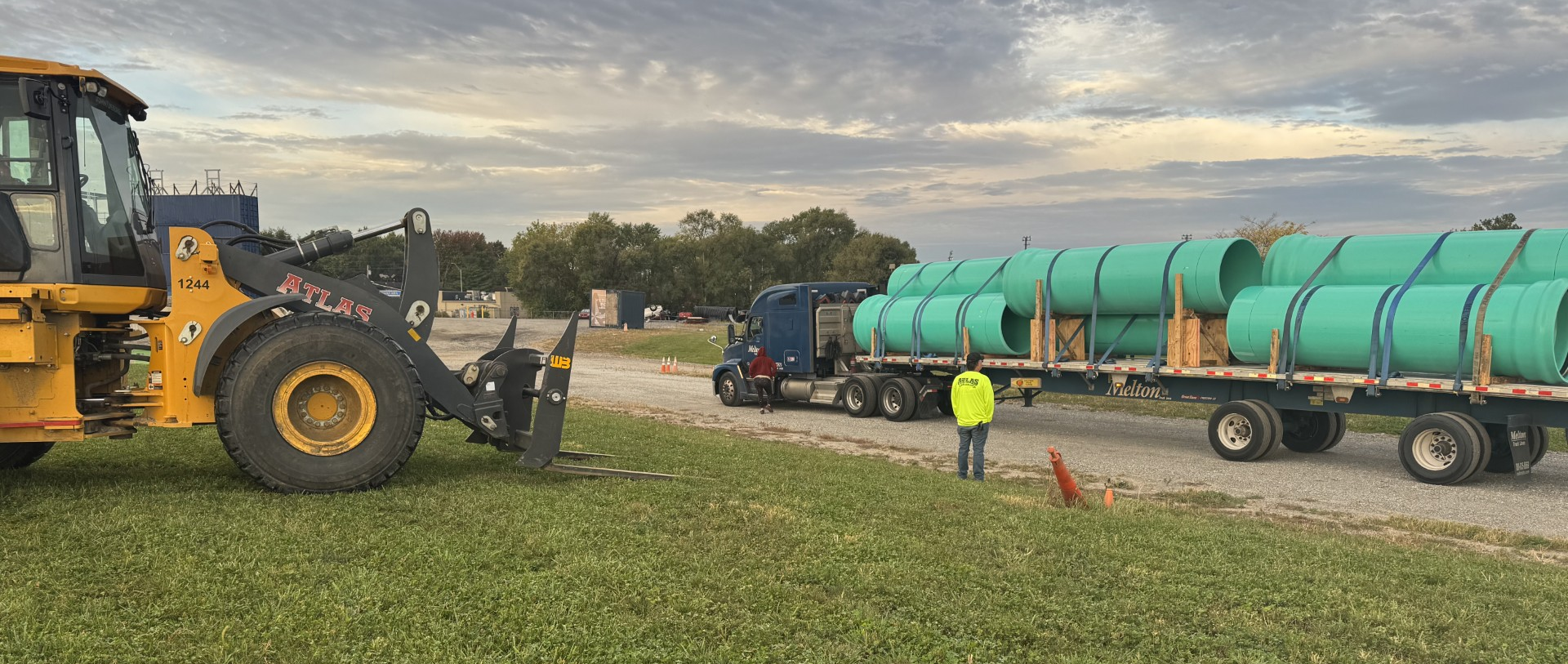
The city selected Oldcastle Infrastructure’s PVC pipe for the project, and our National Pipe & Plastics team provided almost 1.9 million lbs of pipe ranging in size from 6 in to 48 in diameter.
To increase transparency and accountability our teams partnered with local distribution partners Ferguson Waterworks and the PVC Pipe Association to provide enhanced specification documentation and to provide an Environmental Product Declaration (EPD) to demonstrate the environmental benefits of using PVC pipe.
Outcome
Work began in October 2025, and is expected to complete by 2027. The implementation of the large centralized interceptor reduced network complexity, mitigating blockage risks, as well as increasing pumping efficiency, thereby cutting the energy costs associated with conveying wastewater.
In addition to reducing the flooding and CSO spill risks, the use of PVC pipe increases the longevity of the network, thereby extending asset lifetimes and ensuring that Crown Point’s upgraded sewer network remains in good working order for many decades to come.
“This project is critical to Crown Point in terms of both addressing its outdated sewer network and protecting the local environment, and I’m delighted that we were able to play a part in its success. Aging water infrastructure is a major issue across the United States, and it’s great to see communities tackling that challenge, and doing it with solutions that prioritize longevity.”
Jeff Bridge, President – Water Transmission, Oldcastle Infrastructure
Learn More
Pivoting midway through a project, a TerraMod™ high-flow green infrastructure system enabled San Pablo, CA to achieve a regulatory first for the Bay Area.
Background
The Sutherland Avenue Urban Greening Project in San Pablo, California, demonstrates how green infrastructure can succeed in one of the most challenging environments possible: dense urban infill with high groundwater, flood risk, heavy utility congestion, and limited right of way.
Through close collaboration between the City of San Pablo, regulators, engineers, and Oldcastle Infrastructure, the project became a first‑of‑its‑kind high‑flow green infrastructure pilot for the San Francisco Bay Area, showcasing how adaptive design and regulatory flexibility can dramatically improve stormwater outcomes without expanding footprint.
The site
San Pablo is located on the eastern edge of San Francisco Bay, just north of Berkeley and Oakland, and falls under the jurisdiction of the San Francisco Bay Regional Water Quality Control Board (Region 2).
The Sutherland Avenue site lies within the Wildcat Creek watershed, an urbanized, low‑lying basin that experiences frequent flooding. The surrounding neighborhood is characterized by high population density (>10,000 residents per square mile), mixed residential and commercial land use, limited open space, and older infrastructure.
Unlike previous projects, community impact and constructability within a lived‑in neighborhood were central considerations from the outset.
Challenges
This project presented an unusually dense concentration of constraints:
- 35 acres of contributing drainage area
- Extremely high groundwater, less than 3 ft below grade at the project site
- Frequent surface flooding, including:
- Up to 1 ft of water in a 2‑year storm event
- Highly constrained right of way
- Overhead power lines
- Underground water, gas, sewer, and electrical utilities
- On‑street parking and active traffic lanes
- Dense urban infill that left virtually no room for footprint expansion
Traditional stormwater treatment approaches were insufficient under these conditions.
Original design approach
The original design consisted of 20 TerraMod™ precast concrete bioretention structures filled with standard bioretention soil media (BSM), with the system surrounded by geocellular spacing units to prevent soil compaction, increase subsurface storage capacity and expand the effective treatment footprint.
Each TerraMod unit measured approximately 4 ft x 21 ft and included horizontal slots that allowed stormwater to flow from the bioretention cell into the surrounding soil.
Modeling demonstrated that this system design would meet treatment goals at a smaller footprint than alternative treatment options.
Regulatory collaboration and mid‑project innovation
The turning point for the project came during construction.
Through ongoing coordination between The City of San Pablo, Geosyntec Consultants, Carex Engineering, Region 2 regulators, and our expert stormwater team, the project team leveraged MRP Provision 3.C.3, which allows for special pilot projects under challenging conditions.
This provision enabled something that had never been approved in the Bay Area before: the mid‑construction conversion of select bioretention cells to high‑flow biofiltration using StormMix™ media.
Solution: high-flow green infrastructure
Three TerraMod units situated at the most flood‑prone intersection along Sutherland Avenue were converted from standard BSM to incorporate StormMix high‑flow media.
This increased the media infiltration rate by 30x from ~5 in/hr to ~150 in/hr, and added orifice controls to regulate treatment flow without requiring any structural changes to the precast units.
By modifying just three of the 20 bioretention cells, the pilot project achieved outsized performance gains without expanding the system footprint.
Impact
The impact of high‑flow green infrastructure was significant:
- 700 sq ft reduction in system footprint
- >200% increase in treatment credit
- 3.45 acres of added drainage area
Achieving equivalent performance with traditional bioretention trench would have required over 175 linear feet of trench.
Overall the pilot achieved ~80% runoff capture, meeting regulatory targets, and validated high‑flow green infrastructure as a viable strategy for ultra‑constrained urban environments.
Construction and installation
As an active urban infill project, construction required exceptional precision. Installations were carried out directly adjacent to property lines, sidewalks and parking lanes, while horizontal slot alignment between the TerraMod systems and the geocellular spacing units required millimetric accuracy.
However, as the TerraMod units were constructed from precast concrete, this enabled rapid excavation and backfill, preventing the need for slower and less precise cast-in-place procedures.
Once structural components were in place, our stormwater team returned to install underdrains, replace existing fill with clean drain rock, install the StormMix media, apply mulch and install cast‑iron access covers.
Despite the mid‑project pivot, construction stayed on schedule.
System performance and early observations
Performance data immediately following installation highlighted the value of the high‑flow system: during a storm in which 3.5 in of rain fell, the high-flow green infrastructure cells effectively filled with surface water, while surrounding areas experienced ponding.
One year post‑installation, inspections following ~3 in of rainfall showed controlled drawdown, water retained for treatment residence time, and continued inflows from residential sump pumps due to high groundwater.
The system proved particularly effective at intercepting persistent street‑level flows before they could accumulate or overwhelm downstream homes, businesses and infrastructure.
Community impact
Because this project was approved as a pilot, long‑term monitoring is a critical next step.
The City of San Pablo is pursuing EPA funding to support 3-5 years of performance monitoring and water quality sampling under Region 2 oversight.
Educational signage was installed throughout the corridor, explaining the local water cycle and educating residents about the role green infrastructure plays in building neighborhood resilience.
As a result, the project serves both an engineering and community education function.
Conclusion
The Sutherland Avenue project achieved successful deployment of high‑flow green infrastructure in a dense urban corridor, a regulatory first for Bay Area stormwater treatment.
It delivered effective stormwater treatment with major footprint reduction through targeted innovation, improved flood mitigation at a critical intersection, and a scalable pilot model for other urban municipalities.
Learn more
Renton, WA turned to BioPod™ to help deliver an award-winning sustainable stormwater management project.
Background
The City of Renton, WA, is a suburb of Seattle that sits on the shore of Lake Washington at the mouth of the Cedar River.
The city receives around 37 inches of rainfall each year, and the highly urbanized Renton Highlands area had no drainage connection to a waterway and few infiltration pipes. As a result, the city obtained a temporary drainage easement that enabled it to discharge stormwater from this area into Upper Balch Pit, a local gravel pit.
This approach served the city for some 30 years, but with the city experiencing persistent and damaging flooding along Monroe Avenue—in some instances at historic levels—even with two additional overflow pipes, it became clear that the gravel pit had reached the point where it was no longer viable for the long term.
In addition, city officials were aware that if the drainage easement were lost then a large, miles-long stormwater drainage pipe would have to be constructed to convey surface water down to the Cedar River—a project that would be costly and extremely disruptive to local residents and infrastructure.
Challenge
The city needed a new, permanent sustainable stormwater drainage system that could accommodate surface water flows from over 250 acres of land in Renton Highlands, employing a combination of treatment and infiltration in order to recharge the Cedar River aquifer while preserving its water quality.
In addition to dealing with typical annual precipitation levels, it needed to be designed to handle the large volumes associated with 100-year and 500-year storm events, assessed at 1% and 0.2% annual probability respectively.
Further, it had to operate in a way that preserves the infiltration capacity of the local soils for up to 100 years.
Solution: sustainable stormwater management
Having obtained $10.8M of grant funds from the Washington Department of Ecology and $479K from the King County Flood Control District, the city engaged Otak. The engineering consultancy evaluated a range of options with the city, including ponds, vaults, and direct discharge to the Cedar River, but ultimately the project team settled on a new small-footprint stormwater infiltration facility that would be built on the site of the old gravel pit.
Incorporating a large infiltration chamber gallery, the facility was designed to divert flows in order to accommodate higher-volume storm events, and employed a treatment train with pretreatment to capture and remove total suspended solids (TSS) and an underground BioPod™ system to provide the biofiltration required to preserve the quality of the infiltrated water.
BioPod was the preferred water quality solution due to its:
- High-volume flow treatment, with high levels of pollutant removal
- High permeability media, with underdrain
- GULD for Basic, Metals and Phosphorus treatment
Using a custom three-sided precast concrete box culvert from our Auburn, WA facility, the BioPod system was roughly a third of the size of an Olympic swimming pool—around 10 times smaller than typical biofiltration systems—enabling Otak to minimize land take and site footprint, while still delivering the necessary 13 cfs / 5,824 gpm treatment flow rate capacity to accommodate peak flows.
The project also used cement from Ash Grove, and aggregate and recycled asphalt paving from ICON Materials, both also CRH companies.
Impact
Completed ahead of schedule in January 2026, the Monroe Avenue Infiltration Facility is one of the largest treatment facilities in the state of Washington, and handles runoff from some 260 acres of developed land, using its 2.2 acres of underground infiltration chambers to return stormwater to replenish the Cedar River aquifer.
In addition to delivering effective, sustainable stormwater management, the project has also provided a local community asset, a public green space that represents a valuable new local amenity.
The project won in both the Environment $5-25M and Sustainability categories in APWA’s Washington Chapter 2025 Project Of The Year Awards, and also won a Gold Award for Uniqueness and/or Innovative Application of New or Existing Techniques from ACEC-WA.
“The result really highlights our large-scale water treatment ability. We can create any size water treatment solution, and we have a vast ability to customize, even in a state like Washington, where regulations are most stringent.”
– Anna Deiters, Solutions Engineer Team Lead, Oldcastle Infrastructure
Learn more
Background
The Lake Sal watershed in Statesboro, Georgia covers roughly 600 acres of mixed land use, including homes, commercial areas, and key transportation corridors. For years, the region faced persistent drainage challenges that strained its aging stormwater infrastructure.
Since the basin funnels runoff into a limited conveyance system, even moderate storms frequently pushed water levels beyond the capacity of existing outfalls, overwhelming nearby roads and neighborhoods.
Challenge
During large storm events, water regularly overtopped Zetterower Road and Northlake Drive, creating hazardous driving conditions and isolating residents. Homeowners near the Lake Sal spillway and downstream along Northlake Drive and Needle Lane experienced repeated flooding in yards and, in some instances, inside homes.
The underlying infrastructure was undersized for growing hydrologic demands, yet early evaluations showed that a traditional structural fix such as constructing a regional detention facility upstream would be cost‑prohibitive for the City of Statesboro.
With limited available land, environmental constraints, and a clear need for more storage capacity than the existing lake footprint could offer, the City needed an alternative approach that could deliver meaningful flood mitigation without the cost and disruption of major new construction.
Solution
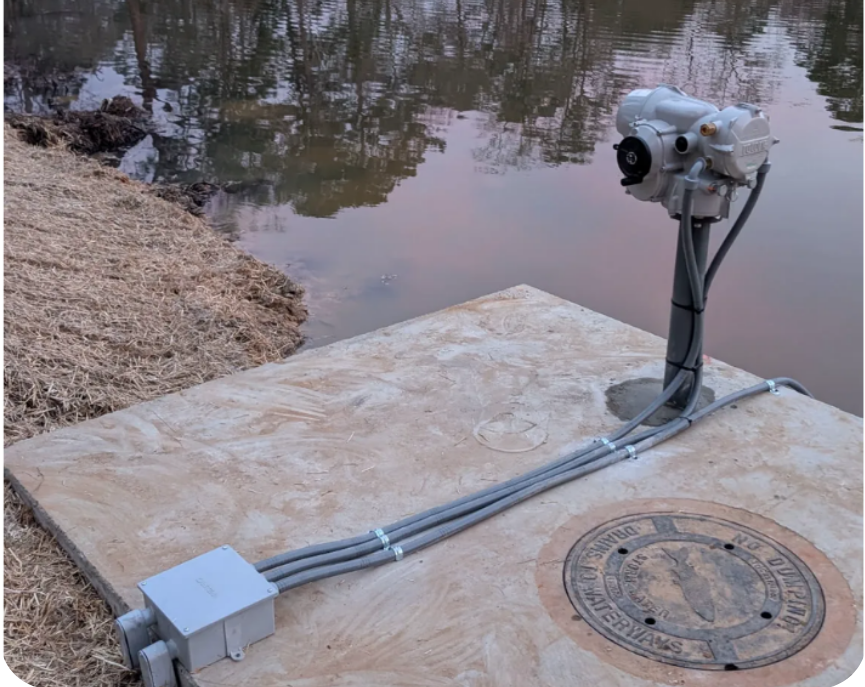
To achieve a more scalable and financially viable outcome, the City adopted a technology‑enabled stormwater strategy centered on Oldcastle Infrastructure’s SmartCapture™ system, powered by Opti. SmartCapture uses Continuous Monitoring and Adaptive Control (CMAC) to adapt in real time to real-world conditions, adjusting storage within the system to proactively manage stormwater. Oldcastle Infrastructure played a pivotal role by providing the smart-enabled outlet control structure that made this transformation possible.
Working closely with Opti and the project engineer, GMC, Oldcastle Infrastructure integrated the actuated valve assembly directly into a purpose‑built structure before it ever arrived on-site. This allowed the system to be installed quickly and seamlessly, minimizing disruption to the existing lake and surrounding community.
With the new structure in place, Lake Sal transitioned from a static retention system to an actively managed, cloud‑connected asset. SmartCapture continuously monitors NOAA weather forecasts, lake levels, and downstream conditions. When a major storm is predicted, the system automatically initiates a controlled drawdown, typically lowering the lake by about two feet, to create approximately 19.5 acre‑feet of additional storage within the existing footprint. Throughout a storm, the system adjusts releases in real time, optimizing storage capacity and reducing downstream peak flows.
Oldcastle Infrastructure’s smart-enabled outlet structure served as the physical foundation for this adaptive control approach, ensuring that all mechanical and digital components operated as a single, integrated system.
Impact
The shift to digitally managed stormwater provided protection that would not have been economically achievable through conventional construction alone. By combining civil engineering design, cloud-based analytics, and Oldcastle Infrastructure’s purpose-built smart structure, the project delivered a dramatic increase in storage capacity at a significantly lower cost.
The adaptive system cost roughly 60% less than a comparable regional detention project while delivering over ten times the effective storage capacity: 19.5 acre‑feet compared to an estimated 1.5 acre‑feet achievable through traditional alternatives. Since the project reused the existing lake and required only modifications to the outlet structure, it avoided land acquisition, minimized permitting impacts, and eliminated disturbance to wetlands.
The community also benefited from a balanced approach to lake management. Drawdowns occur only when an incoming storm requires additional storage, allowing Lake Sal to maintain normal water levels for recreation and wildlife habitat throughout most of the year. With lower peak discharge rates and expanded available storage, the system reduces flooding risk for downstream neighborhoods and improves resilience for the broader drainage network.
Conclusion
Through the collaboration of project partners, led by Oldcastle Infrastructure’s delivery of the smart-enabled outlet control structure and supported by Opti’s adaptive technology, the City of Statesboro successfully transformed Lake Sal into a responsive, high‑performing stormwater asset.
What once required costly structural expansion was replaced with a more efficient, sustainable, and affordable solution. The result is a resilient system that protects residents, preserves natural resources, and sets a precedent for modern stormwater management.
Learn more:
Background
When IndyCar set its sights on transforming the Arlington, Texas entertainment district into a high‑performance temporary street circuit, the project demanded an infrastructure partner capable of delivering precision, safety, scale, and speed. CRH’s Texas Materials and Oldcastle Infrastructure stepped in as a fully integrated team, combining paving expertise, local manufacturing, and advanced engineering to create the barrier and track systems needed for one of the most scrutinized and safety‑critical racing environments in the world.
The project called for more than concrete. It required a repeatable, high‑strength safety system engineered for impact conditions at over 230 miles per hour, paired with the logistical sophistication needed to deliver nearly 3,000 custom units on an aggressive schedule. Oldcastle Infrastructure became the backbone of this effort, using its local footprint, local talent, and national‑level technical capabilities to bring the vision to life.
Challenges
IndyCar needed a barrier system that had never been produced in Texas at this scale. It required 7,000 PSI compression strength, precise dimensional tolerances, exact reinforcement geometry, and an interlocking design capable of guarding as a continuous safety chain around the entire 2.73‑mile track. Production had to be fast enough to meet a demanding national race timeline, and delivery had to be precise enough to follow the installation road circuit sequence. This sequence was a delicate balance between traffic patterns, road closures, access to area entertainment venues, and race day deadlines.
The project was highly visible, nationally televised, and entirely unforgiving of error. Any variance could disrupt installation, compromise performance, or jeopardize the race schedule. With safety standards set by IndyCar engineering teams and supported by Oldcastle Infrastructure’s expertise in engineered precast solutions, the challenge was to launch an entirely new operation from tooling and process development to full-scale production without the margin for a learning curve. Oldcastle Infrastructure quickly mastered the build requirements and successfully developed a new, efficient production process.
Solution
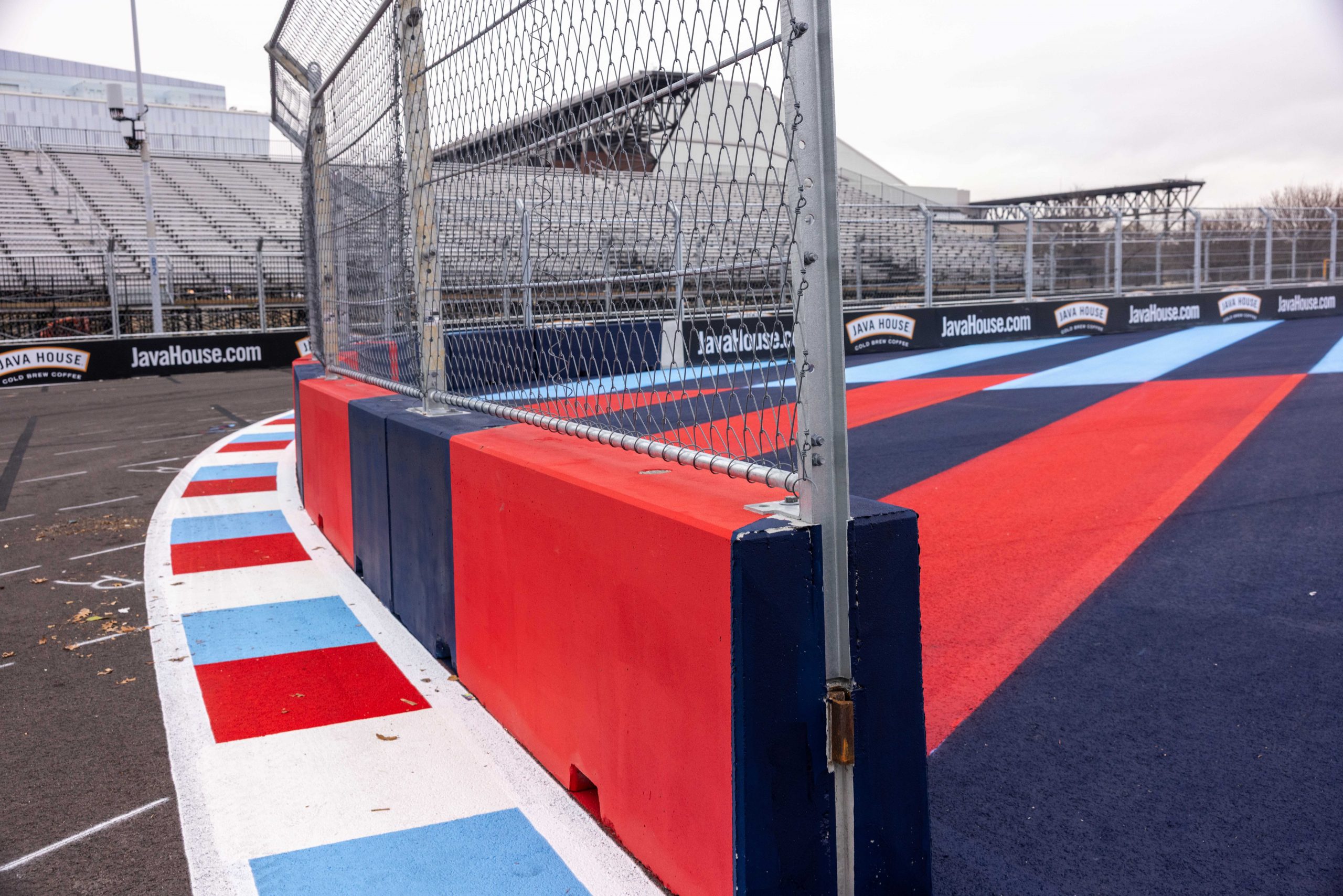
Oldcastle Infrastructure mobilized its North Texas facilities to manufacture all 2,805 barriers locally, including both straight units and two types of curved segments required for the track. Every barrier was produced using Texas‑sourced aggregates and materials, reinforcing the commitment to being built local at every level.
The Northlake plant was selected as the production hub due to its wet‑cast expertise, floor space, and equipment readiness. Local teams engineered custom solutions such as reinforcement benders, dimensional testing tools, and interlock gauges to ensure the precision needed to meet IndyCar specifications. The engineering and quality teams created a straight‑cement mix design that achieved the required 7,000 PSI strength, eliminating fly ash to maximize consistency.
Each barrier included U‑shaped mesh reinforcement, end‑reinforcing bars, and three full‑length rebars welded across the unit to tie directly into the interlocks. This system ensured the entire barrier line would behave as a continuous chain during impact events. Dimensional accuracy was so strict that interlock tolerances were held within less than one millimeter, verified through custom testing tools and regular dry‑fit checks. Even an overseas quality inspector from Germany validated the production process, confirming reliability and consistency across thousands of units.
Production rapidly scaled from 15 barriers per day to 20 straight and 2 curved units per day, supported by six‑day‑a‑week operations. Despite its tight schedule, the project finished nearly ten weeks ahead of plan, with full production completed in approximately 23 weeks and all deliveries finalized in about 32 weeks. Collaboration across CRH companies, including Texas Materials for paving coordination, ensured seamless integration between barrier placement and track preparation.
Sustainability Impact
By producing all barriers locally, Oldcastle Infrastructure minimized transportation emissions and supported regional supply chains. Texas‑sourced aggregates and on‑site reinforcement fabrication reduced environmental impact compared to importing components or long‑haul shipping. The barrier system was engineered for reusability, allowing the city of Arlington and IndyCar to maximize return on investment while decreasing material waste for future races or events.
The project strengthened local manufacturing capabilities by developing new production processes, tools, and expertise that now benefit future regional and national motorsport events, including upcoming races in Washington, D.C. This creates a long‑term sustainability advantage not only for materials but also for knowledge and workforce development within Texas communities.
Overall Impact
The success of the IndyCar Arlington project demonstrated how CRH’s vertically integrated model delivers unmatched value: precision‑engineered barriers, locally managed production, coordinated paving operations, and high‑pressure logistics all aligned to meet the demands of a world‑class racing organization.
Oldcastle Infrastructure delivered a safety-critical system validated by independent inspection and built the capability to produce a new product type at national scale. For the region, the project became a local economic win that showcased Texas’ capacity to support high-visibility sporting events, bringing jobs, expertise, and community pride along with it.
Local Oldcastle Infrastructure employees had the chance to visit the completed track to see their work in place, which was an experience that amplified team pride and reinforced the real‑world impact of their craftsmanship. The Arlington track is not just a racing venue; it is a living example of what local manufacturing, local materials, and local talent can accomplish when backed by the resources and expertise of a global leader.
Conclusion
For the IndyCar project in Arlington, Texas, Oldcastle Infrastructure delivered more than barriers; it delivered engineering certainty, community investment, and a model for future motorsport infrastructure. Through unmatched technical rigor, rapid production, and seamless coordination across CRH companies, the project stands as a testament to what happens when local expertise and national capability combine to meet extraordinary needs.
For the Arlington community, the impact extends far beyond race day. It is a story of local jobs, regional pride, strengthened infrastructure, and lasting economic value anchored by a barrier system engineered to perform at the highest level of professional motorsport.
Council Bluffs, Iowa, a community of 60,000 located along the east bank of the Missouri River, has long balanced a strong industrial presence with modern commercial growth.
Global food processors, agricultural manufacturers, and large-scale operations including ConAgra, Tyson Foods, American Games and Barton Solvents anchor the region’s economy. In recent decades, casinos and large data centers, such as Google’s two local data centers, have added further diversity.
Wastewater for the entire community has been treated at the Council Bluffs Water Pollution Control Plant since 1974. Much of the original infrastructure, including its primary clarifiers, pretreatment facilities, and two‑stage rock media trickling filters. remains in service. In 1997, an activated sludge basin was added, increasing treatment flexibility and capacity. Today, the facility manages average flows of 7 Mgal/d, with peak flows up to 30 Mgal/d.
Initially, the headworks relied on two one‑inch bar screens and aerated grit basins. Though durable, this legacy system struggled to remove the region’s fine loess sands, leading to operational challenges downstream.
Challenges
Over time, the plant’s aerated grit basins were no longer capable of achieving adequate grit removal. Fine loess sand, naturally abundant in the surrounding terrain, passed through the original system and accumulated in aeration basins, digesters, and mechanical equipment.
According to the Plant Supervisor, the consequences were substantial. Excess grit was causing premature wear on the sludge dewatering centrifuges, generating recurrent maintenance requirements and costly repairs. Digesters routinely require cleaning, revealing up to three feet of accumulated grit.
The team determined that modernizing grit removal was essential to protect downstream processes, reduce maintenance costs, and extend equipment lifespan.
Solutions
After evaluating multiple alternatives, the City selected an advanced HeadCell® stacked‑tray grit separation system, supported by SlurryCup™ washing technology and Grit Snail® dewatering, solutions engineered by Hydro International.
A key advantage was the ability to retrofit the new system directly into the existing aerated grit basin, avoiding the need for costly concrete replacement, additional pumping infrastructure, or expanded influent channels.
Engineering teams successfully integrated:
- Four 12‑foot, seven‑tray HeadCell units
- Two 32‑inch SlurryCup grit‑washing units
- One Grit Snail dewatering escalator
This configuration delivers 95% removal of grit 75 microns and larger, with very low headloss and no moving parts in the HeadCell itself. During normal flow periods, operators need only run half of the system, reducing energy and maintenance requirements.
The SlurryCup provides high‑efficiency washing and classification, removing fine grit, sugar sand, snail shells, and other dense solids. The Grit Snail completes the process by gently dewatering fine grit without re‑suspending material.
Sustainability Impact
The retrofit has produced long‑term sustainability benefits for the City. With vastly reduced grit carryover:
- Digesters remain cleaner, avoiding the need for frequent shutdowns and landfilling of accumulated solids.
- Centrifuge wear has dramatically decreased, reducing the frequency of major repairs from several times per year to a single repair over many years.
- Lower energy demand and minimized need for new pumping infrastructure contribute to reduced operating footprint.
By reusing existing structures rather than constructing new basins, Council Bluffs avoided the cost, and environmental impact associated with large‑scale concrete work or new pumping stations.
Overall Impact
Plant staff report a substantial and measurable improvement in performance. Grit accumulation in digesters has virtually disappeared. Mechanical equipment life has improved, lowering annual maintenance expenditures by tens of thousands of dollars. Operators appreciate the simplicity of the system, the minimal moving parts, and the consistency of grit capture even under variable flow conditions.
The City’s consulting engineer noted that the HeadCell system’s compact footprint, innovative design, and cost savings made it the most advantageous choice among all evaluated alternatives.
As summarized by the Plant Supervisor, they have seen a number of paybacks. There’s less wear on the centrifuge; they weren’t taking digesters offline to clean them, and they avoided building and maintaining another pump station. This system has done everything we wanted at a very reasonable cost.
Conclusion
The Council Bluffs Water Pollution Control Plant’s investment in advanced grit removal technology has delivered significant operational, financial, and environmental benefits. By leveraging a retrofit‑friendly design and high‑efficiency grit separation, the City modernized a critical part of its treatment process without major structural modifications.
The project resulted in a more resilient, lower‑maintenance, and sustainable headworks system that protects downstream infrastructure and will support the community’s growth for decades to come.
Grand Island, Nebraska, is home to more than 50,000 residents and situated along the Platte River and relies on a wastewater treatment system that manages domestic wastewater as well as significant industrial flows, including discharges from a major meat processing facility. The region’s geology features windblown, silty soils that easily enter surface drainage and, eventually, the sewer system. Combined with a high water table and the need for extensive pumping throughout the plant, these conditions create demanding operational challenges.
By the time the City initiated its upgrade program, much of the wastewater infrastructure was nearly 50 years old. Key components were corroded, undersized, and no longer performing reliably. Recognizing the need for a modernized pretreatment system capable of protecting downstream processes, the City launched a comprehensive refurbishment effort to prepare the wastewater treatment plant (WWTP) for decades of growth and regulatory requirements.
Challenges
According to the City’s operations engineer, the plant faced aging equipment, rising flow volumes, and the demands of a growing population. The existing grit basins were inadequate, offering limited redundancy and poor grit removal efficiency. Valves, pumps, and ancillary equipment had deteriorated to the point where replacement was necessary. Additionally, the original grit building lacked odor control, and the Parshall flume and bar screens were undersized and in poor condition.
The combination of silty local soils, industrial inflows, and hydraulic limitations meant that large amounts of grit were reaching downstream processes. This contributed to wear in primary clarifiers, sludge systems, and downstream equipment. To ensure long‑term resilience, the City required a solution that could reliably remove fine grit particles down to 90 microns under both average and peak flow conditions. Redundancy was critical; the plant needed dual treatment trains that could operate independently, both to accommodate peak flows and to ensure continuous operation during maintenance or emergencies.
Solutions
Consulting engineering teams evaluated two primary grit removal technologies: a mechanically induced vortex system and the high‑efficiency HeadCell® / SlurryCup™ / Grit Snail® treatment train, engineered by Hydro International. Both options carried similar capital and installation costs. After visiting a nearby installation in Lincoln, Nebraska, City engineers were particularly impressed by the quality and consistency of grit captured using the HeadCell system.
Ultimately, the HeadCell approach was selected due to its superior fine‑grit performance, minimal mechanical complexity, and lower long‑term maintenance needs. The plant was reconfigured to create two parallel, fully redundant treatment trains, each containing a 12‑foot, 10‑tray HeadCell concentrator, dedicated grit pumps, and a complete SlurryCup washing and Grit Snail dewatering system. The layout allowed both trains to function as mirror images, enabling straightforward operation, easier construction, and seamless integration with the plant’s SCADA system through fully automated control panels.
This configuration provided the performance required: removal of 95 percent of particles 90 microns and larger at the design flow of 13 Mgal/d per train, and 95 percent removal of 150‑micron grit at maximum hourly flows of 30 Mgal/d.
Sustainability Impact
The City’s investment in advanced grit management enhances both environmental and operational sustainability. By removing fine grit early, the plant protects clarifiers, aeration systems, and digesters from abrasive damage, reducing the frequency of equipment repair and replacement. Dewatered grit produced by the Grit Snail contains at least 60 percent solids with minimal organics, allowing for efficient disposal and minimizing hauling costs.
Because the HeadCell system includes few mechanical components, energy usage and maintenance needs remain low. The reuse of the original grit building structure also avoided the cost, and environmental impact associated with constructing new concrete basins or expanding plant footprints. The addition of odor‑control accommodations and improved pumping reliability further enhances the plant’s environmental compliance and overall resilience.
Overall Impact
During commissioning, the new grit removal equipment endured an extreme challenge: a year’s worth of accumulated construction debris, sediment, grease, and grit from the replacement of the North Intercept sewer line was pushed through the new treatment trains. The system operated without issue, handling one of the harshest loading conditions it will likely ever encounter.
According to the consulting engineer, the high removal efficiency, minimal mechanical requirements, and long-term maintenance savings made the HeadCell system the superior choice. The system performs far better than previous equipment and is meeting the City’s objectives for redundancy, reliability, and fine-grit removal.
The improved grit system supports the entire plant, protecting critical downstream assets including clarifiers, aeration processes, and digestion facilities. With a 50‑year design life and built‑in ability to handle significant peak flows, the new pretreatment infrastructure positions Grand Island to serve its growing population for decades.
Conclusion
The City of Grand Island’s decision to modernize its headworks using advanced grit removal technologies has transformed the efficiency and resilience of its wastewater treatment operations. Through careful evaluation, forward‑thinking engineering, and a commitment to long‑term sustainability, the City implemented a high‑performance, low‑maintenance solution designed to meet both present and future demands.
As part of UC San Diego Health’s $3 billion Hillcrest Medical Campus expansion, the organization initiated major improvements to Bachman Place, a 0.6‑mile connector road linking Hillcrest and Mission Valley in San Diego, CA. The road serves dual roles: a public access route and a critical entryway to UC San Diego Health facilities.
Upgrades included widening the roadway to 43 feet, adding dedicated bike lanes, incorporating a 5‑foot pedestrian sidewalk, improving lighting and signage, upgrading utilities, and enhancing travel safety for the steep 9-11% grade corridor.
Given the roadway’s unique ownership status and its importance to both commuters and hospital operations, the improvements required high‑performance, long‑lasting infrastructure solutions.
Challenge
The project team faced significant site constraints due to the roadway running through narrow canyon terrain. Designers had very limited locations available for stormwater treatment and utility placement, forcing the biofiltration system to be installed beneath a pedestrian walkway-an unconventional configuration requiring careful engineering.
Since UC San Diego Health would be solely responsible for roadway maintenance, the organization needed low‑maintenance, robust stormwater BMPs that would minimize lane closures and reduce long‑term operational costs.
Additionally, the City of San Diego rarely approves non‑vegetated proprietary biofiltration systems, creating regulatory hurdles. The steep grade, major utility relocation, environmental review delays, and the need for strong third‑party performance validation further complicated the design and approval process.
Solution
Oldcastle Infrastructure partnered with the engineering team early in the design process to provide specialized stormwater and utility solutions tailored to the project’s space, slope, and ownership challenges. The BioPod™ Biofiltration System was selected for its compact footprint, durable non‑vegetated media option, and reliable third‑party maintenance interval data, making it ideal for installation beneath pedestrian infrastructure while still meeting stringent water quality requirements.
Oldcastle Infrastructure also supplied custom precast components to support utility relocation and structural needs along the steep canyon corridor. Through a comprehensive preconstruction and technical support process, Oldcastle Infrastructure helped model hydraulic performance, address loading concerns, streamline installation sequencing, and provide documentation that enabled the City of San Diego to approve two non‑vegetated proprietary systems-an uncommon achievement. This combination of expertise and product capability delivered a tailored stormwater strategy that met UCSD’s long‑term operational priorities.
Sustainability Impact
The BioPod systems contributed to a more sustainable roadway by delivering reliable stormwater treatment within a constrained environment where traditional vegetated BMPs were not feasible. Their low‑maintenance design reduces long‑term resource consumption and minimizes disruption to vehicle flow, lowering the environmental impact associated with frequent maintenance closures.
The precast components provided by Oldcastle Infrastructure supported efficient installation, reduced onsite construction emissions, and created durable, long‑life infrastructure aligned with UCSD’s goals for future‑ready campus development. By enabling effective pollutant removal on a steep, highly trafficked corridor, Oldcastle Infrastructure’s sustainable solutions helped enhance environmental protection for the surrounding canyon ecosystem.
Overall Impact
Completed in June 2025, the project delivered a safer, wider, and more efficient roadway equipped to support future medical campus growth. The enhancements improved mobility for drivers, cyclists, and pedestrians while significantly reducing commute times-estimated by UCSD to save drivers up to 30 minutes.
Oldcastle Infrastructure’s stormwater and utility solutions played a critical role in resolving space, maintenance, and regulatory challenges, reducing long‑term ownership costs, and ensuring the roadway performs reliably under demanding site conditions. The approval and successful deployment of non‑vegetated proprietary systems also set a precedent for innovative stormwater management in dense, topographically complex areas.
Conclusion
The UC San Diego Hillcrest North Access Road project demonstrates how early collaboration and engineered precast solutions can overcome significant geographic and regulatory constraints. Oldcastle Infrastructure’s BioPod solution and precast components enabled the project team to deliver a high-performing, low‑maintenance, and environmentally responsible roadway that supports both public circulation and hospital operations.
This project highlights the importance of selecting adaptable, high‑performance infrastructure solutions, especially when working within narrow, highly regulated, and environmentally sensitive corridors. Oldcastle Infrastructure’s involvement ensured a successful outcome and reinforced its role as a trusted partner in complex, sustainability‑driven infrastructure projects.
Learn more
The City of Melbourne, Florida, has been working for nearly a decade to restore the Indian River Lagoon, one of the most ecologically significant waterways in the state.
Since 2015, Melbourne has installed baffle boxes as part of its stormwater infrastructure improvement program.
These structures intercept pollutants carried by stormwater runoff before they enter the lagoon, helping protect water quality and marine life. The initiative was funded by a voter-approved 0.5 cent sales tax dedicated to lagoon restoration projects.
Challenge
The Indian River Lagoon has faced severe pollution issues caused by stormwater runoff carrying trash, debris, sediments, oils, and nutrients. Without effective treatment, these pollutants degrade water quality, harm fish and shellfish, and contribute to algal blooms.
Melbourne needed a solution that could fit within existing stormwater systems, handle large debris loads, and provide advanced pollutant removal, including macro-plastics and hydrocarbons, while remaining easy to maintain.
Solutions
Oldcastle Infrastructure provided precast Nutrient Separating Baffle Box® (NSBB®) systems engineered to deliver high-performance stormwater treatment. These systems feature multi-chamber designs that slow water flow, allowing sediments and debris to settle while skimmers capture floating trash and oils.
The NSBB units are designed for easy installation in both new and retrofit applications, minimizing disruption and reducing construction costs.
Key features of this system include:
- Debris-trapping chambers that catch and retain trash and macro-plastics before they break down into micro-plastics
- Integrated oil skimmers that remove hydrocarbons and chemicals from stormwater
- Precast construction, ensuring durability and simplified installation in tight urban spaces
- Easy maintenance access, allowing for efficient cleanouts using standard equipment.
Sustainability Impact
The baffle boxes installed in Melbourne remove over 4,000 pounds of harmful pollutants annually and have already captured nearly 94 cubic yards of trash in 2025 alone.
By intercepting pollutants at the source, these systems prevent contamination of the lagoon, protect aquatic ecosystems, and reduce the risk of micro-plastic pollution.
Additionally, the precast design supports long-term sustainability by reducing lifecycle maintenance and enabling scalable deployment.
Overall Impact
Melbourne’s stormwater program demonstrates how Oldcastle Infrastructure’s baffle box technology can deliver measurable environmental benefits.
The city has successfully implemented 18 installations since 2015, with plans to add one new system each year, and work is currently underway on what will be the largest baffle box in the world, located near Melbourne Orlando International Airport.
The NSBB system being implemented in the project measures 30 x 31 x 24 ft, and is expected to remove over 3,300 lbs of nitrogen and over 470 lbs of phosphorus each year from stormwater collected from the 854-acre drainage basin situated just north of the airport.
Projects such as these have significantly reduced pollutant loads entering the lagoon and have improved water quality in the sensitive marine environment, reinforcing the city’s commitment to environmental stewardship.
Conclusion
Oldcastle Infrastructure’s Nutrient Separating Baffle Boxes have played a critical role in Melbourne’s lagoon restoration strategy.
By combining proven stormwater treatment technology with durable precast construction, these systems provide reliable pollutant removal, easy maintenance, and long-term protection for one of Florida’s most important waterways.
As Melbourne continues to expand its program, Oldcastle Infrastructure remains a trusted partner in delivering sustainable stormwater solutions.
Learn more
Using AI to target water line repairs
Losing water to undetected leaks, a utilities company in Georgia used AI technology to target downtown water line repairs and address an annual revenue loss of up to $238K.
The challenge: Targeting water line repairs
A utilities company in the third-largest city in Georgia supplies its local residents and businesses with over 15bn gallons of clean water each year.
Distributing this volume of water is no small feat—the utility company’s water supply network encompasses over 1,300 miles of pipe and over 67,000 active and inactive connections.
Like many utilities across the US, however, this water infrastructure is aging, and the miles of pipe and thousands of connections are at risk of leaks.
When it comes to non-revenue water—water lost to leakage after having been abstracted, treated and pumped—Georgia is one of the more progressive states in the US, having required utilities to conduct annual water loss audits since 2012.
As a result, its city leaders knew that the network was losing water—the 2023 water loss audit indicated that its non-revenue water loss could be as high as 27%—but what they didn’t know was where the leaks were.
The solution: CivilSense™ real-time leak detection
Following a consultation with Oldcastle Infrastructure’s smart water consultants, city officials identified CivilSense™ real-time leak detection as a potential solution.
CivilSense™ is the only AI-powered water asset management solution to combine predictive risk assessment with targeted real-time leak detection, and the utilities company opted to deploy the real-time leak detection capability on a focused, high-priority area of the network.
They selected a 20-mile section of the water distribution network covering around 100 blocks in the heart of the city’s downtown area. The area under investigation was a business district containing critical city infrastructure, which would result in significant economic and civic disruption in the event of a major line break.
CivilSense™ field experts deployed 202 acoustic sensors across the targeted section of the network and created a total of 650 investigation sessions. These investigation sessions gathered acoustic data that was fed into the CivilSense™ AI for analysis.
The AI, powered by FIDO Tech, performed comparative analysis using its curated library of more than 2.3 million acoustic signatures to generate Waypoints that indicate potential leaks in the system.
What is a Waypoint?
A Waypoint is an acoustic signature that the AI has assessed to be consistent with a leak based on comparison against a comprehensive library of previously detected and validated acoustic signatures. Waypoints are validated and pinpointed using sensors and a technique called correlation, which confirms and then precisely determines the location of the leak.
Field teams used the results of this analysis to redeploy sensors upstream and downstream of each of the leaks, using cloud computing to validate and pinpoint the location of each leak via a technique known as correlation. The leaks were then marked up to direct water line repairs.
The outcome: water line repairs to save up to $239K
The CivilSense™ team created 650 investigation sessions, from which the AI generated 52 Waypoints. Of these Waypoints, CivilSense™ correctly determined that 19 were previously undetected leaks in the targeted section of network and pinpointed their locations for repair.
The leaks were discovered across a range of network infrastructure assets, including distribution mains, meter valves and vaults, curb stops and hydrants. The largest leak detected was on a main line valve, and was assessed to be losing around 10 gallons per minute.
In total, applying AWWA nominal volumetric values, the leaks were assessed to be losing a combined volume of 93.7 gallons per minute, which equates to around 49.2M gallons of water every year.
With local residential and commercial water rates ranging from $2.01 to $4.86 per thousand gallons, this represents a revenue loss of between $98K and $239K every year.
By revealing this loss and enabling the Georgia utilities company to conduct water line repairs to address the leaks, CivilSense™ is helping the city address aging infrastructure issues, develop water supply resiliency, and improve its finances.
Learn more
The City of Chehalis, Washington, located midway between Portland and Seattle, faced growing challenges with its aging wastewater treatment plant.
Originally built in 1948 and upgraded several times, the plant could no longer meet projected flow rates or stringent Department of Ecology permit requirements.
To address this, the city launched a design-bid-build project for a new Chehalis Regional Water Reclamation Facility, designed to treat an average flow of 1.3 million gallons per day and peak flows exceeding 10 million gallons per day several times per year. The new facility also included a reclaimed water program to irrigate a 250-acre poplar tree plantation, requiring advanced treatment processes. While grit removal was not initially a top priority, the city needed a system that was simple, reliable, and required minimal moving parts.
Challenge
Shortly after start-up, a pump malfunction caused high-grade silica sand from the effluent filters to bypass the intended recirculation path and enter the plant drain system, sending large volumes of sand back to the headworks. This unexpected event posed a serious risk of overwhelming downstream processes, including Sequencing Batch Reactors (SBRs), and could have led to costly shutdowns and equipment damage.
Solution: Grit King®
The facility installed two 11-foot diameter free-standing Grit King® units and a grit classifier as part of its headworks design. Oldcastle Infrastructure’s Grit King system, engineered by Hydro International, uses advanced hydrodynamic separation to remove 95% of grit 150 microns and larger at peak flows of 13 million gallons per day. When the sand filter malfunction occurred, the Grit King® units captured the excess sand, preventing it from reaching critical downstream processes.
Operators increased grit discharge frequency to manage the additional load, and the plant continued operating without interruption. The system’s all-hydraulic design, minimal moving parts, and ease of installation proved invaluable.
As the Wastewater Superintendent noted, “Construction of the new system was easy. It was delivered to the site, and the contractor bolted it in place within days.”
Sustainability Impact
The Chehalis facility incorporates sustainable practices, including reclaimed water reuse of up to 3.5 million gallons per day for irrigation, production of Class A biosolids sold to local farmers, and reduced maintenance and energy use thanks to the Grit King’s pump-free design.
By preventing grit accumulation in SBR tanks, the system reduces cleaning frequency and associated resource use. Annual cleaning of one SBR now reveals only a wheelbarrow of grit compared to what could have been significant buildup without effective grit removal.
Overall Impact
The impact of the Grit King® system has been substantial. The plant avoided costly downtime during a major equipment malfunction, reduced maintenance costs, and improved operational reliability. The grit removal system has been virtually trouble-free since installation, producing cleaner grit with fewer odors and requiring minimal intervention.
As the superintendent summarized, “The Grit King system has worked great without any problems. It has been virtually trouble free.”
Conclusion
The Chehalis Regional Water Reclamation Facility demonstrates how investing in a robust grit removal system can safeguard operations, even when grit removal isn’t initially considered critical. The Grit King system not only met design requirements for simplicity and reliability but also proved its value during an unexpected event, ensuring uninterrupted service and long-term sustainability.
Background
The city of Queen Creek, Arizona, has doubled in population from 35,500 to over 80,000 over the last 10 years, and is projected to reach 150,000 residents at buildout, with an average annual growth rate of 6-7% (according to Queen Creek News). Over the last five years alone, more than 8,000 building permit applications for single-family homes have been filed in Queen Creek.
Within this city, the construction of retail and mixed-use spaces has surged to meet the needs of the community, with hundreds of thousands of square feet of new retail space, homes, and entertainment complexes replacing vacant corners across major intersections.
Hudson Station is one of those up-and-coming developments.
This 90-acre, mixed-use community was designed to support the city’s rapid growth, featuring commercial spaces, single-family homes, and townhomes. Nearly 50% of the town’s budget is dedicated to capital infrastructure, including roads, wastewater, and parks.
Challenge
Flood mitigation is a primary stormwater objective in Arizona, especially during monsoon season when intense rainfall can overwhelm surface drainage systems. Solutions used must not only store stormwater but also promote deep infiltration to recharge groundwater and comply with strict regulatory requirements.
Arizona’s unique soil and environmental conditions make stormwater management particularly challenging. A major issue is the caliche layer—a highly impermeable surface layer that prevents rainwater from naturally infiltrating the ground. Combined with roads, parking lots, and other infrastructure, this significantly limits groundwater recharge. Regulations also require stormwater to be managed onsite and engineered to withstand 100-year flood events, meaning that systems must capture, filter, store, and infiltrate water effectively to protect communities today and into the future.
These dynamics create added pressure for developers and landowners to maximize investment while delivering safe and engaging places to live and work. The Hudson Station project was no exception; its stormwater management system needed to meet onsite storage requirements while supporting optimal land use for amenities like turf areas.
Traditional open-bottom systems limited to depths of only seven feet are not ideal in these conditions as water cannot infiltrate effectively through caliche. This limitation increases risk for stakeholders—including developers, municipalities, and contractors—while the burden of failure ultimately falls on the community. Past failures, such as a sinkhole and CMP storm drain collapse at a nearby Chandler shopping center, highlight the consequences of unreliable systems. Combined with tight site layouts and rising costs, these factors demanded a solution that could deliver performance, reduce risk, and maximize usable land.
Hancock Builders, a leading multifamily housing developer and builder, served as the general contractor for Hudson Station. Ownership of stormwater risk typically falls on project stakeholders, but the impact of failure is shared broadly. For Hancock Builders, finding a reliable solution was critical to project success.
Installation added another layer of complexity. Petra, the earthwork contractor responsible for installing the stormwater system, needed a solution that could be integrated seamlessly with grading and drainage plans, installed safely under Arizona’s soil conditions, and completed without introducing additional risk or delays. Petra’s role was essential in ensuring the system performs as designed and supports the overall project timeline.
Solution
To meet these challenges, the team selected MaxCapture™, an integrated system combining StormCapture® and MaxWell® drywells. StormCapture is a robust underground stormwater detention system with a closed-bottom design engineered for Arizona soils.
A key advantage of StormCapture is its solid base slab, which includes openings only directly above the MaxWell drywells. This design ensures that scour at the bottom of the system does not inundate the drywell with sediment, preventing clogging and failure. StormCapture’s closed-bottom design ensures water containment and system integrity in Arizona’s clay-rich soils, unlike open-bottom systems that risk long-term reliability issues. It also offers superior design flexibility, accommodating varied pipe angles and inverts
Beneath StormCapture, MaxWell drywells enable deep infiltration and groundwater recharge without consuming surface space—critical in Arizona’s clay soils for long-term water stewardship. The Maxwell was designed for the project backed by more than 50 years of soil and area topography knowledge. This experience ensures that the drywell is designed and installed at the proper depth and provides reliable water infiltration for decades to come.
The Oldcastle Infrastructure team partnered with the designers early, using GIS data and thousands of drill records to provide precise specifications for the site. Petra also played a vital role in installing the system safely and efficiently, ensuring alignment with the developer’s strong safety culture.
Other dynamics that made this project successful include the partnership between Oldcastle Infrastructure, the engineering group, and Hancock Builders. Oldcastle Infrastructure provided engineering support early in the process, using the online design tool and working with engineers to ensure that the integrated system was quick and easy to incorporate into grading and drainage plans, streamlining approvals and reducing redesign costs.
Impact
The integrated system offers multiple benefits for the project. Total project cost optimization was achieved despite rising material prices, while space efficiency allowed developers to meet municipal requirements for green spaces and amenities. Oldcastle Infrastructure’s in-house manufacturing of cover plates and tie-off points improved safety during installation, reducing fall hazards and supporting Petra’s installation process.
Sustainability was also a major win for Hudson Station. MaxWell supports groundwater recharge, reducing runoff and replenishing aquifers. StormCapture’s modular design minimizes excavation and material waste, while its durability ensures decades of service life, lowering lifecycle emissions. The system is also engineered for 100-year storm events, ensuring resilience against rare, high-intensity rainfall—a critical consideration given recent significant rain events in Arizona.
Outcome
Hudson Station stands as a model for how advanced infrastructure solutions can overcome regulatory compliance, rising costs, and tight site constraints. By leveraging Oldcastle Infrastructure’s StormCapture and MaxWell systems, and partnering with engineers and contactors for expert installation, the project achieved cost efficiency, sustainability, and enhanced livability, all while meeting Queen Creek’s vision for a thriving, resilient community that seamlessly blends with its surroundings.
DOWNLOAD CASE STUDY
How a small Ohio village solved maintenance challenges
Background
While the village didn’t need a large wastewater treatment plant, it wanted the benefits of a high-performance grit removal system like the Grit King®, which has been proven to protect downstream processes and improve plant efficiency. The Village of Shiloh is a small community in north-central Ohio with a population of around 690. Located east of Ohio’s famous Amish Country, Shiloh has a strong Amish and Old Order Mennonite influence.
The Problem
Shiloh owns and operates its own wastewater treatment facility, which treats approximately 50,000 gallons per day (189,270 L/d) at average flows and up to 725,000 gallons per day (2,744,424 L/d) at peak flows. Historically, the plant had no grit removal system. The original headworks consisted only of a manual coarse bar screen. Treatment included primary clarification and a trickling filter system, but due to the rudimentary headworks, the facility was becoming increasingly difficult to maintain.
Labor availability was another challenge. The Village had no full-time staff at the wastewater treatment plant and relied on a certified operator to visit once or twice a week to ensure compliance with EPA requirements. This operator also managed several other small treatment facilities in the region, leaving little time for additional maintenance at Shiloh’s plant.
The Solution
With limited staffing and increasing maintenance demands, Shiloh needed a very low-maintenance grit removal system that could provide advanced grit management performance and protect downstream infrastructure under all conditions with minimal supervision. The system had to be simple to install, require little contractor time, and avoid extensive custom site work.
The Village found its ideal solution in Oldcastle Infrastructure’s Grit King® Compact system. This pre-packaged grit removal system was easy to install, fit within the plant’s budget, required minimal maintenance, and could meet the facility’s needs well into the future. The Grit King® Compact, engineered by Hydro International, delivers all the performance of industry-leading grit separation technology in a fully integrated system that outputs clean, dry grit ready for cost-effective disposal.
To keep costs manageable for small plants, internal components in low-wear areas are constructed of durable plastic rather than stainless steel, reducing material costs without compromising performance. The Grit King® Compact is specifically designed for smaller plants, providing total plant protection with very little maintenance—addressing Shiloh’s operational challenges and staffing limitations.
The Outcome
By installing the Grit King® Compact, the Village of Shiloh secured a reliable, low-maintenance grit removal solution that protects its treatment processes, reduces maintenance demands, and ensures compliance with environmental standards. The system’s simplicity and durability make it an ideal fit for small communities with limited resources, delivering long-term performance and peace of mind.
Learn more