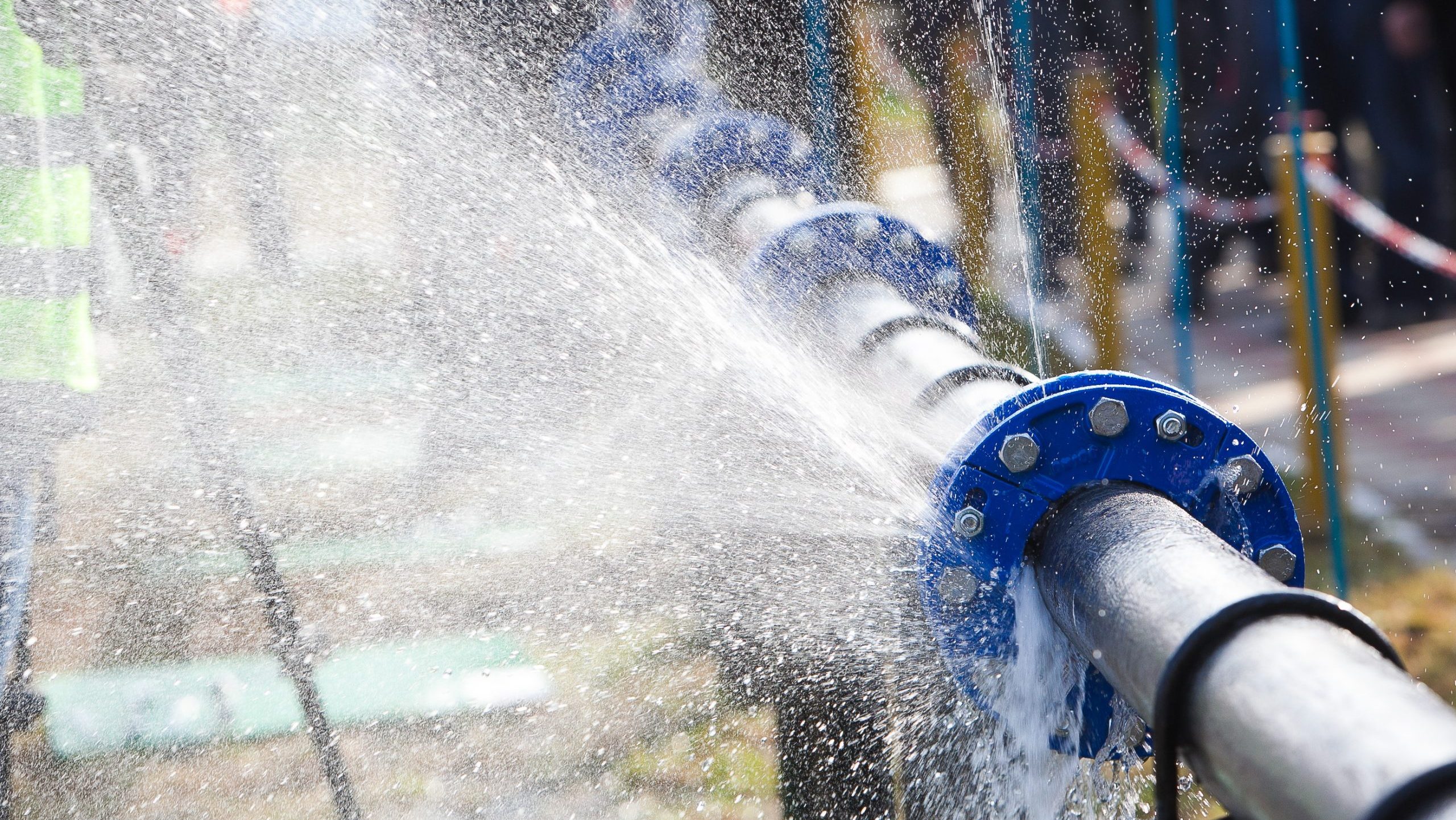
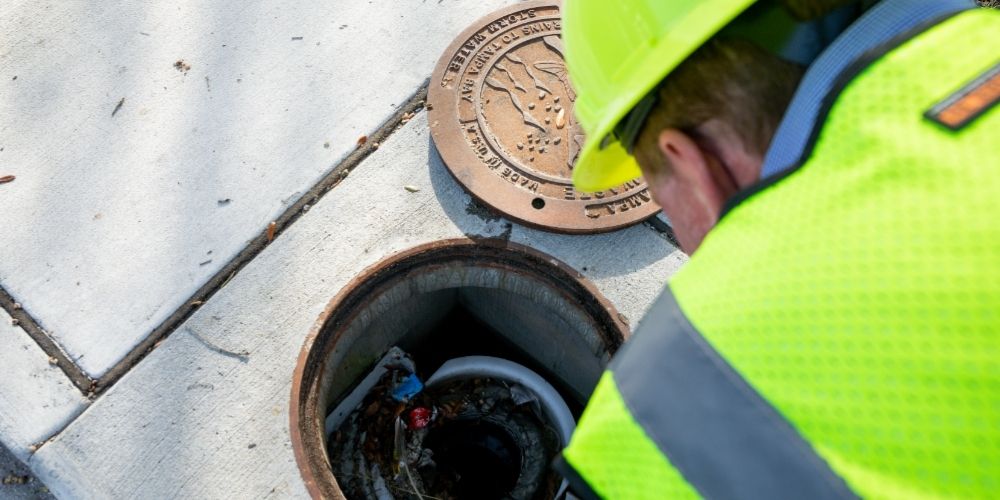
Reflecting on my experiences in the utility sector over the years, I’ve experienced the challenges and imperatives of addressing our aging infrastructure amidst the escalating threats of climate change. The resilience of our utility systems is increasingly tested by the more frequent and severe weather events, highlighting an urgent need for strategic adaptation and fortification.
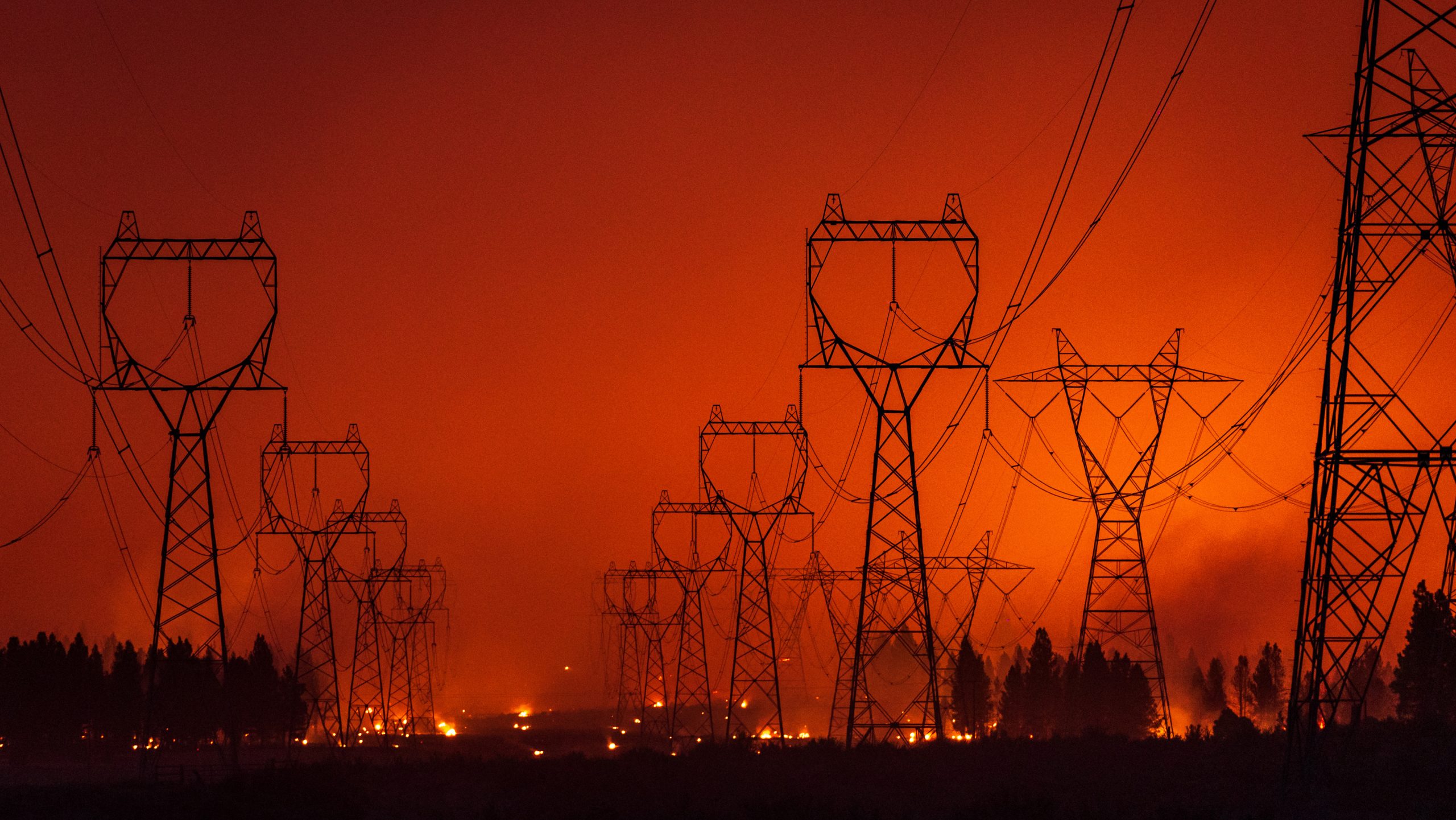
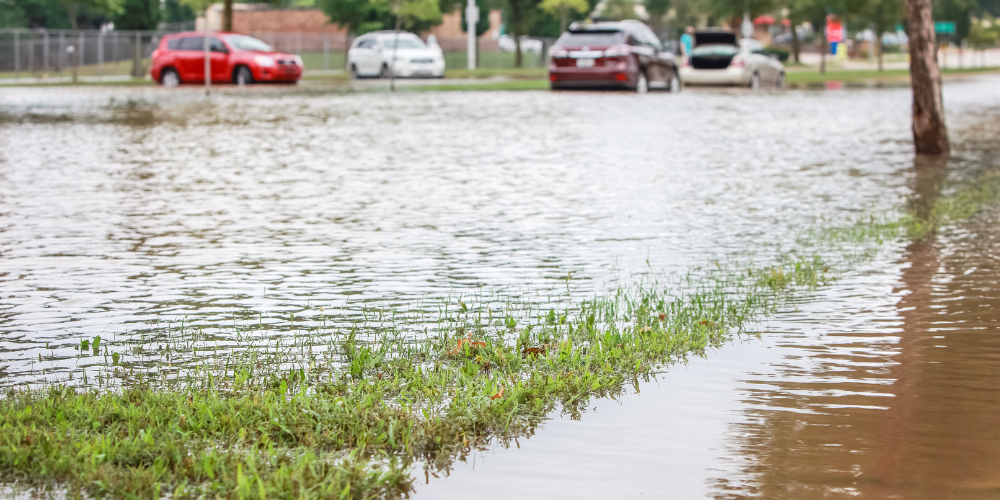
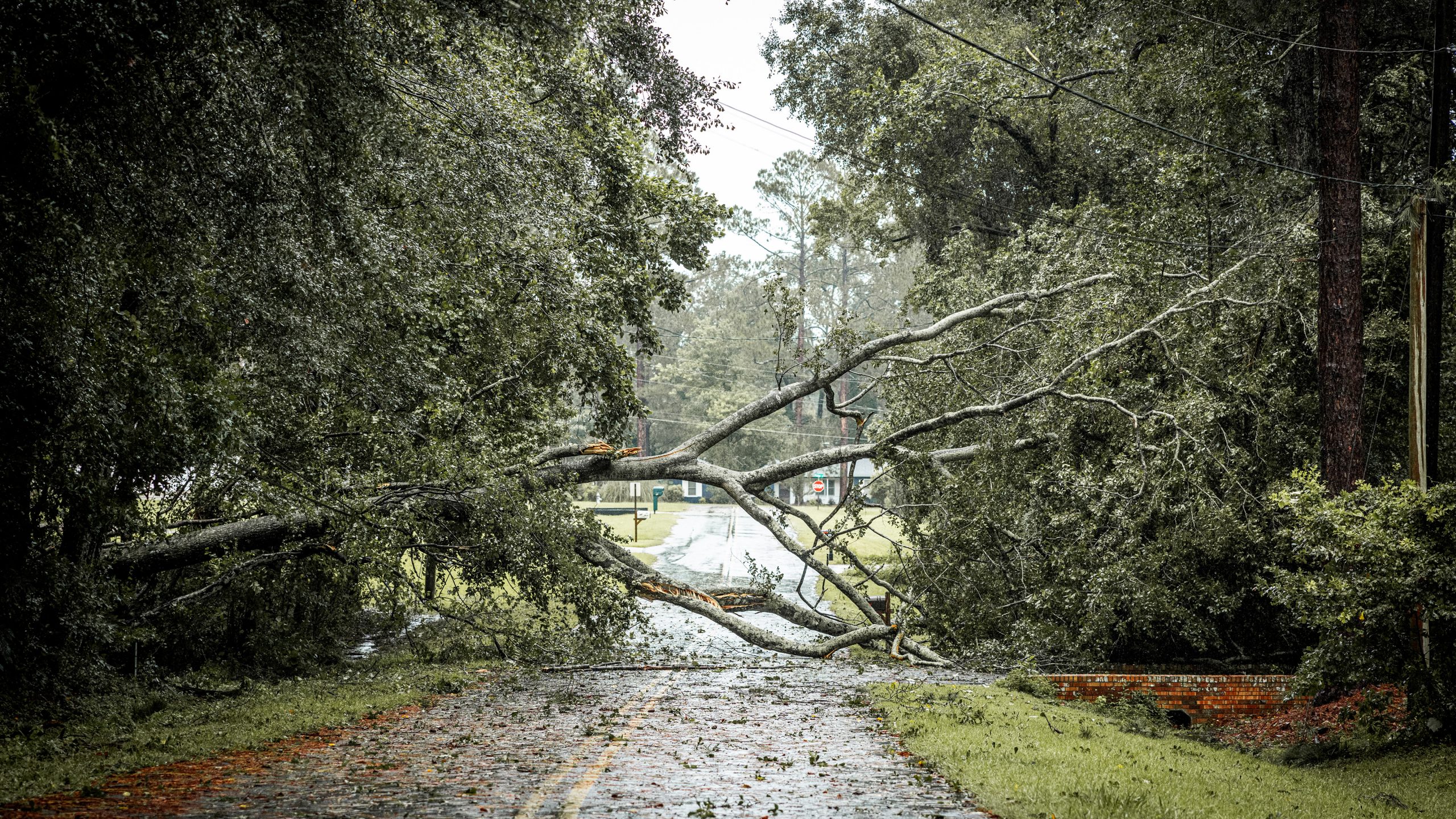
Our utility networks, the very backbone of daily life and economic stability, are aging. Constructed decades ago, this infrastructure wasn’t designed with the current climatic extremes in mind. When faced with hurricanes, floods, and wildfires, the vulnerabilities of these systems are starkly exposed, underscoring the potential risks to public safety and community well-being.
Climate change compounds these challenges, acting as a multiplier of the existing vulnerabilities. The impacts of a compromised power grid extend far beyond inconvenience, posing significant risks to public safety and economic stability. There’s urgency in our efforts to modernize and reinforce utility systems as the consequences of inaction loom large and potentially catastrophic.
In response to these daunting challenges, we’re actively exploring innovative solutions to reinforce and modernize our utility infrastructure. Drawing inspiration from successful initiatives in other regions, such as the comprehensive grid hardening efforts undertaken in Florida, we’re considering similar strategies to enhance the resilience of our own systems. The move towards underground utility installations, for instance, represents a promising approach to shield our power lines from the destructive forces of nature, thereby enhancing the overall robustness of our utility network.
In this critical endeavor, collaboration with industry partners like Oldcastle Infrastructure proves invaluable. Cutting-edge solutions, ranging from advanced materials for underground utilities to smart grid technologies, play a crucial role in our quest to build a more resilient and sustainable utility network. These technologies not only bolster the durability of our infrastructure but also improve its efficiency and sustainability, aligning with our broader goals of environmental stewardship and community protection.
This journey toward infrastructure resilience is underscored by a shift from reactive disaster response to proactive planning and adaptation. The insights gained from past experiences and the successes in other regions highlight the necessity for a forward-thinking approach. By prioritizing investments in infrastructure hardening and embracing innovative solutions, we can better prepare our utility systems to withstand the challenges of a changing climate.
As we move forward, we must collectively commit to modernizing and reinforcing our aging utility infrastructure, recognizing the critical role it plays in ensuring the safety and well-being of our communities. By embracing innovation and strategic investments in resilience, we can safeguard our utility systems against the inevitable challenges posed by climate change, ensuring a reliable and sustainable energy future for generations to come. Find out how Oldcastle Infrastructure can help you on this quest with our utility distribution solutions.
Sustainable stormwater management: a new philosophy
Moving beyond the traditional approach of swiftly diverting water away from urban landscapes, the philosophy of stormwater management is increasingly about embracing the natural cycle of water to enhance the resilience and sustainability of our cities.
The core of this new approach lies in viewing stormwater not as a challenge that must be overcome but as a valuable resource that can be harnessed to benefit urban ecosystems.
This philosophy is rooted in the principles of capturing, storing, and judiciously using stormwater, turning what was once considered a nuisance or even a hazard into a pivotal element of urban infrastructure.
It’s about understanding and leveraging the processes of water retention, detention, and infiltration to manage surges during heavy rainfall, thereby mitigating the risk of flooding and contributing to the replenishment of groundwater.
Flexibility and adaptability are key
Flexibility and adaptability are key in addressing the diverse challenges of urban water management, and modular stormwater solutions – such as the StormCapture® and CUDO® storage systems – stand at the forefront of this approach. These systems are designed with versatility in mind, capable of being tailored to a wide range of urban settings, from small-scale installations to comprehensive stormwater management strategies. The ease of installation and minimal maintenance requirements of these systems make them a practical solution for cities looking to enhance their stormwater management practices.
CUDO systems represent a significant advancement in the field of stormwater management. Their ability to effectively manage water through retention, detention and infiltration, coupled with their user-friendly design, positions them as a vital tool in the civil engineer’s toolkit. These systems cater specifically to the shallow detention market, offering a solution where traditional, deeper systems may not be feasible. The integration of CUDO systems into urban landscapes exemplifies the synergy between functionality, efficiency, and environmental stewardship, embodying the principles of sustainable urban development.
Stormwater storage builds urban resilience
The implications of adopting systems like CUDO extend far beyond stormwater management. They play a crucial role in the broader context of urban resilience, contributing to the development of green infrastructure such as rooftop gardens and urban parks. This integration of natural elements into the urban fabric not only aids in stormwater management but also enhances the aesthetic and ecological value of urban spaces, improving the quality of life for city residents.
As cities evolve, the integration of innovative stormwater management solutions will be paramount in addressing the challenges of urbanization and climate change. The vision for the future is one where urban infrastructure works in harmony with the natural world, fostering resilient, sustainable, and vibrant communities. This journey towards sustainable urban development requires a collaborative effort to embed nature-based solutions into the fabric of urban planning, ensuring a harmonious balance between human habitation and the environment.
The path towards sustainable urban development is paved with opportunities to rethink our approach to stormwater management. By embracing innovative solutions, cities can turn the challenge of stormwater into a strategic asset, enhancing urban resilience and sustainability for generations to come.
Next
In the complex arena of product certification, Underwriter Laboratories (UL) provides two critical designations that guide stakeholders in assessing product safety and quality: UL Listed and UL Recognized. These marks are not merely labels but are pivotal indicators of a product’s compliance with rigorous safety standards, embodying the depth of testing and validation each product undergoes.
The UL Recognized Mark: Integral Components for Complex Systems
The UL Recognized designation is specifically allocated to products that are intended to function as essential components within larger systems. These items are crucial for the system’s overall safety and functionality but are not certified for use as independent, final products. This designation highlights the role of these components in contributing to the comprehensive safety and reliability of the systems they are part of, underscoring their specialized application and the targeted safety assurances they provide.
The UL Listed Mark: A Symbol of Complete Product Assurance
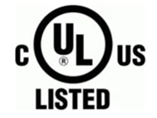
In contrast, the UL Listed mark signifies that a product has undergone and passed exhaustive testing, affirming its safety and durability for standalone use. This mark goes beyond a mere emblem; it is a declaration of the product’s intrinsic quality and reliability, founded on thorough evaluation against stringent standards. An exemplary illustration of the UL Listed mark’s importance can be seen in products like Oldcastle Infrastructure’s Primex enclosures, which not only meet but surpass the established criteria, thereby certifying their capability to function as reliable, final products across various applications.
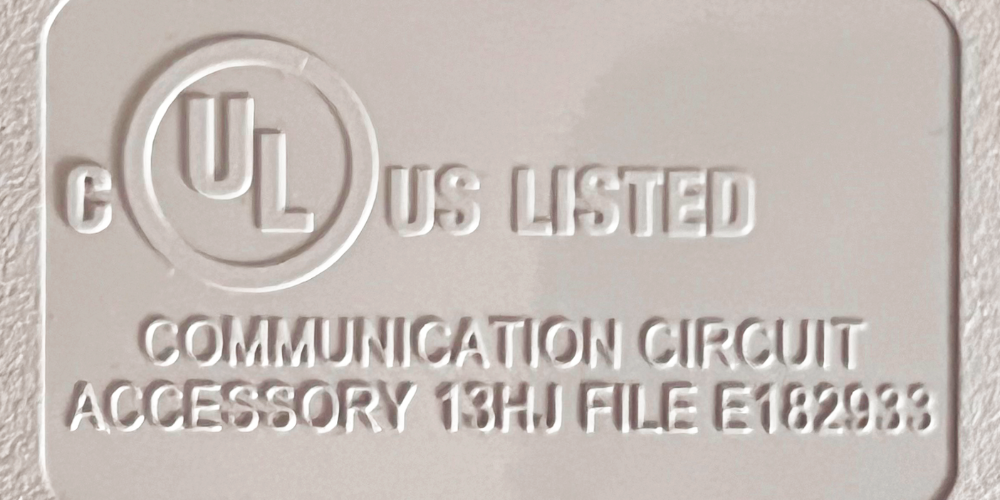
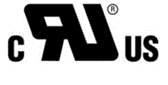
These enclosures carry the UL Listing mark, which encompasses the UL logo, ISO country codes, relevant testing standards, and Oldcastle Infrastructure’s unique UL file number. This detailed marking provides a layered assurance, attesting to the product’s adherence to international standards, its proven quality, and traceability back to Oldcastle Infrastructure’s stringent testing and quality assurance protocols.
| UL Listed Mark Example |
UL Recognized Mark Example |
 |
 |
Beyond Certification: The Wider Implications of UL Listing
The value of obtaining a UL Listing extends far beyond the certification itself. Regulatory bodies and jurisdictions frequently favor products that carry the UL Listed mark, associating them with superior quality, safety, and compliance. This preference facilitates the approval and permitting process, particularly for critical infrastructure components such as Oldcastle Infrastructure’s Primex enclosures, making them the go-to choice for projects requiring the highest safety and quality standards.
UL Listed and UL Recognized marks are more than just certifications; they reflect Oldcastle Infrastructure’s relentless pursuit of excellence. Through meticulous testing and a steadfast commitment to global standards, Oldcastle Infrastructure reassures customers of the unmatched quality and safety of its products. This commitment paves the way for smoother project executions and fosters lasting trust, positioning Oldcastle Infrastructure as a leader in delivering products that not only meet but redefine industry benchmarks for safety and quality.
In our ever-evolving battle against climate change, the resilience of our utility infrastructure is being put to the test like never before. I’ve seen firsthand how extreme weather events are challenging the very backbone of our communities—our power grids. Drawing from my experiences and what we’ve observed in places like Florida and Detroit, it’s clear that a shift towards proactive engagement and strategic foresight is not just necessary; it’s imperative.
Take Florida, for example. The state’s journey, especially in the aftermath of hurricanes, is a powerful testament to the value of preparedness. Following the devastation caused by Hurricane Wilma, a Florida utility provider embarked on a transformative grid hardening initiative. With an investment surpassing $3 billion, the focus was to enhance the resilience of the power grid to withstand the fury of nature. This wasn’t just about rebuilding; it was about reimagining our approach to infrastructure, making it not just resistant but resilient in the face of hurricanes. Benefiting all Floridians, this initiative significantly reduced outage durations and improved the reliability of power supply, showcasing the effectiveness of readiness and adaptation.
Parallel to Florida’s strides, we see Detroit beginning to chart a similar course. Faced with its unique climatic challenges, notably severe winter storms, Detroit is on the brink of a significant infrastructural evolution aimed at fortifying its grid’s resilience. While the specifics of Detroit’s plans are still taking shape, the underlying intent mirrors that of Florida’s success: to proactively strengthen the infrastructure against the specific weather challenges it faces.
These narratives, drawn from the front lines of our fight against climate-induced adversities, underscore a broader theme of resilience and innovation. It’s about more than just weathering the storm; it’s about ensuring our communities remain vibrant and operational, come what may. The stories of Florida and Detroit serve as beacons of hope and blueprints for a future where our utility infrastructure can stand resilient against the caprices of nature.
As we navigate the complexities of a changing climate, the importance of preemptive action and strategic investment in our utility infrastructure cannot be overstated. It’s a call to action for all of us—utility providers, policymakers, communities—to rally together and champion the cause of resilience. By drawing inspiration from the successes of Florida and Detroit and leveraging the power of innovation, we can ensure that our power grids are not just prepared for the next storm but are built to thrive in the face of it.
In this ongoing journey towards resilience, I invite you to learn more about how we can support your community in this endeavor through our utility distribution solutions. Our efforts are geared towards not just addressing the immediate challenges but setting the foundation for a sustainable and resilient energy future. Together, we can turn the tide against climate change and light the way forward for generations to come.
In the dynamic world of infrastructure and construction, my path led me to become the Director of Product Management and Regulatory Affairs at Oldcastle Infrastructure. Recently, this role has grown to encompass Business Development for the Stormwater division. This evolution mirrors the industry’s growing focus on adopting and integrating transformative technologies and methodologies to address complex challenges in the water industry. My position represents not just a title, but the confidence entrusted in me and the teamwork that’s reshaping our sector. It places me at the heart of our shared goal to drive innovation and sustainable practices forward.
My path to Oldcastle Infrastructure was not just a career move but a deepening of my commitment to environmental stewardship, particularly in the realm of water conservation. Aware of the challenges posed by the arid conditions in Southern California, my true potential to effect change crystallized after joining Oldcastle Infrastructure. My focus on stormwater management evolved from an interest into a professional calling, underscored by the critical need for sustainable solutions within the infrastructure sector.
Here, my journey into stormwater management became a collaborative venture, marked by significant growth and learning. The mentorship and support from colleagues were instrumental, fueling my passion and driving our shared vision. This nurturing environment not only helped me navigate challenges but also enriched my leadership skills and innovative thinking, emphasizing the importance of community and ecosystem protection through our work.
Looking ahead, I see a future brimming with opportunities for women in this evolving field. The industry is at the cusp of a transformative era, with technology and sustainability at its heart, opening doors to groundbreaking innovation and leadership. To women aspiring to join this impactful field, my advice is rooted in my own experiences: Embrace your unique perspectives, actively seek mentorship, and commit to lifelong learning. Challenges are inevitable, but they are the steppingstones to personal and professional growth.
Celebrating the achievements of women in construction is not just about recognition; it’s a call to action for a more inclusive, forward-thinking, and eco-conscious future. By championing change and supporting one another, we have the power to dismantle barriers and redefine industry standards.
This moment is more than a time for reflection—it’s an opportunity to envision the limitless possibilities that lie ahead. It’s a call to each of us to lead by example, to drive change, and to uplift one another in our shared pursuit of excellence. As we move forward, let’s stay committed to nurturing an industry that exemplifies diversity, resilience, and ingenuity.
Let’s harness our collective diversity and determination to not only transform our industry but also to leave a lasting impact on the world. I extend an invitation to those ready to embark on this transformative journey: consider building your career with Oldcastle Infrastructure and CRH, where you can grow, make a difference, and contribute to a legacy that benefits our communities. Together, let’s build, innovate, and inspire, creating a sustainable legacy for generations to come.
At Oldcastle Infrastructure, we are more than manufacturers; we are collaborators, innovators, and stewards of the environment. Our commitment to sustainability and ecological conservation is showcased in our work on fish passage in Washington state, from the transformation of NE Woodinville Duvall Road in King County to our recent collaborations with Strider Construction on finding and implementing custom solutions for complex fish passage projects. We aim to seamlessly blend robust infrastructure with the natural environment, providing durable, low-maintenance solutions that facilitate the restoration of fish migration paths.
The NE Woodinville Duvall Road project exemplifies our collaborative spirit and engineering expertise. In replacing an old metal pipe culvert with a modern concrete box culvert, we did more than upgrade a piece of infrastructure. We undertook a significant ecological restoration, enhancing fish passages to bolster local biodiversity. This project was a testament to our ability to navigate complex challenges through close collaboration with local authorities and stakeholders, ensuring that our solutions are not only effective but also sustainable.
Our projects with Strider Construction further highlight our extensive expertise in tackling complex challenges posed by deep installations and specialized equipment requirements. These endeavors demonstrate Oldcastle Infrastructure’s proficiency in managing large-scale, technically intricate projects. Working alongside Strider, we crafted tailored solutions to address the distinct environmental and technical needs of each project, all while preserving the natural ecosystems. This partnership highlights our problem-solving abilities and our dedicated commitment to achieving common objectives by seamlessly collaborating with all project stakeholders.
Safety is our cornerstone at every phase of our projects, from inception to execution. We uphold stringent safety measures that span the entire lifecycle of a project, ensuring the well-being of our team, the community, and the environment. In our manufacturing processes, we’ve optimized culvert production by centralizing operations. This allows all lifting, rolling, and loading activities to be conducted indoors with the aid of bridge cranes, minimizing hazards and enhancing efficiency.
Our commitment to safety extends to the meticulous selection and collaboration with trusted freight carriers. We devise and employ meticulously engineered loading plans, meticulously crafted to mitigate risks and secure the safe transit of our products on public roads. This careful approach to planning and execution embodies our dedication to safety, underscoring it as a fundamental aspect of our operational ethos. It’s a reflection of our core values, where responsibility and meticulous care are woven into the fabric of our work culture, ensuring that safety is not just a regulatory requirement but a key pillar of our identity.
A notable moment that encapsulates our commitment to environmental stewardship occurred when a team member, while dining with his family near a recently completed project site, witnessed salmon fry navigating through the restored waterway. This observation underscored the significant impact of our work, highlighting the role our projects play in revitalizing local ecosystems and enriching community life.
Our ability to handle a high volume of work, such as the production and scheduling the installation of numerous culverts across a magnitude of project sites, displays our operational capabilities and reliability. Last year’s record of completing more than twenty fish passage projects, each with its unique challenges and requirements, stands as a testament to our scalability and commitment to excellence.
Explore the dynamic connection between innovation and ecology with Oldcastle Infrastructure’s Fish Passage Solutions Hub. Our dedicated page highlights the transformative Pepin Creek project and offers an exclusive opportunity for a plant visit, allowing you to step directly into Oldcastle Infrastructure.
The United States finds itself at a crucial juncture where its water systems—many of which were built in the early to mid-20th century—are in desperate need of significant repair or replacement.
The repercussions of this deterioration are vast, affecting everything from public safety and environmental sustainability to economic stability and national security.
The American Society of Civil Engineers has sounded the alarm, emphasizing the urgent need for strategic action with sobering grades of C-, D+, and D for the nation’s drinking water, wastewater, and stormwater infrastructure respectively.
They estimate that a monumental investment of $5.94 trillion is required to address the challenges posed by our aging infrastructure—a figure that dwarfs the $1.2 trillion allocated by the 2021 Infrastructure Investment and Jobs Act.
This stark contrast underscores the magnitude of the task at hand.
Recent examples are numerous and include an outdated and “failing” stormwater network in San Diego causing severe property damage, communities large and small running out of drinking water due to broken and leaking pipes, and hundreds of thousands of gallons of untreated sewage leaking due to system breaks.
These recent events serve as a steady reminder of the importance of modernizing our water treatment facilities, enhancing watershed management, and investing in infrastructure capable of adapting to changing environmental conditions.
The path forward demands innovative solutions and collaborative efforts across various sectors. By leveraging advanced materials, digital twins, artificial intelligence, and smart infrastructure technologies, we can revolutionize the way we maintain and monitor our infrastructure – shifting from a reactive approach to a proactive one. These advancements promise not only to extend the lifespan of our infrastructure components but also to enhance their adaptability and responsiveness to emerging challenges.
As we focus on the critical issue of water infrastructure, the significance of building and developing efficient, resilient systems becomes clear. A key example is in finding, repairing, and preventing water loss from aging drinking water networks.
Tackling non-revenue water and implementing state-of-the-art water loss solutions is paramount for the sustainability of our water resources. Oldcastle Infrastructure is at the forefront of providing innovative solutions to these challenges, ensuring our water infrastructure meets the demands of today and tomorrow.
We encourage all who are invested in the future of our water systems to explore the cutting-edge solutions we offer for non-revenue water and leak detection.
By taking proactive steps now, we can secure the reliability and efficiency of our water infrastructure for future generations.
Learn more about how we can revolutionize water management and conservation by learning more about our Non-Revenue Water Leak Detection solution. The time to act is now, for a sustainable and water-secure future.
Low-Impact Development and Green Infrastructure
In recent years, the concept of Low-Impact Development (LID), coupled with the use of green infrastructure, has emerged as an effective approach to tackle the pressing issue of surface water pollution.
LID is a design strategy aimed at mimicking the natural water cycle that gets disrupted by urban development. As our cities and towns expand with new buildings, roads, and airport runways, it’s vital to mitigate the impact that those newly impervious surfaces can have on the natural ecosystem.
LID employs green infrastructure systems, such as green roofs, vegetated swales, and biofilters, designed to reduce runoff and improve water quality by removing target pollutants such as total suspended solids (TSS), nutrients and hydrocarbons.
How BioPod delivers on green infrastructure goals
One such biofilter is Oldcastle Infrastructure’s BioPod™. Verified as a leading green infrastructure technology by NJCAT and used to satisfy urban sustainability goals and pollutant removal regulations, this biofilter is a proven LID solution, designed to remove a variety of pollutants including large solids, finer sediments, nutrients from fertilizers and metals from vehicle brake pads.
What makes BioPod stand out is its ability to support different types of trees and shrubs, thereby enabling the re-establishment of natural environments within urban settings, while simultaneously filtering stormwater runoff.
The BioPod’s unique advantages include its rapid deployment and compact footprint: as a nationwide stormwater solutions provider, Oldcastle Infrastructure produces BioPod systems at locations right across the country, significantly reducing lead times in comparison to other products.
The core of the BioPod is the StormMix, an engineered media optimized for high flow rates, which lessens the area needed for effective stormwater management.
One notable implementation of BioPod was at Medford Airport in Oregon, where its application reduced the land required for stormwater management by an impressive 70% when compared to a traditional bioswale.
For property owners, design engineers and construction contractors, adopting green LID solutions like the BioPod doesn’t mean compromising on project timelines or efficiency. Oldcastle Infrastructure is at the forefront of redefining construction norms, championing the swift and cost-effective production of stormwater management systems that not only comply with sustainable construction practices but actively protect our natural water resources.
The BioPod, with its blend of environmental sensitivity and practical utility, is indicative of the forward-thinking solutions necessary to safeguard our water resources for future generations. Its success in various projects, as at Medford Airport, serves as a testament to its efficacy and adaptability.
As we continue to explore and innovate in the realm of stormwater management, green infrastructure solutions will help pave the way for a more sustainable and harmonious coexistence with our natural world.
Next
As we continue our exploration into the importance of broadband connectivity, the focus shifts to the unique challenges of extending this vital technology to rural and remote areas. Despite the unparalleled connectivity offered by fiber optic networks, their deployment in less accessible regions encounters several obstacles, highlighting the complexities of bridging the digital divide in these communities.
A July 2022 study by Dgtl Infra illuminates the high costs associated with deploying fiber optic networks in rural areas. These expenses, encompassing everything from raw materials to the laying of infrastructure, are substantially higher in regions lacking existing structures, where difficult terrain and extended distances add layers of complexity.
The skilled labor required for fiber optic cable installation is another major cost factor. Rural areas often lack workers with the necessary specialized training, leading to the need for bringing in teams from more urbanized areas, thus inflating the overall costs. The situation is further compounded by the complex and expensive equipment needed for such installations.
At Oldcastle Infrastructure, we’re acutely aware of these challenges and have dedicated ourselves to developing communication technology solutions that address them. Our aim is to facilitate achievable broadband access in underserved areas with innovative, cost-effective strategies.
Our range of products includes enclosures and connectivity components designed to withstand a variety of environmental conditions, guaranteeing the durability and reliability of network infrastructures in rural contexts. The resilience of these components is critical, particularly in areas where maintaining infrastructure poses additional challenges. Our commitment to quality and innovation ensures that once a network is in place, it provides stable and reliable connectivity for the community.
By confronting the challenges of rural and remote communities directly, we’re positioned to make substantial progress in providing equitable broadband access, thereby enriching and empowering communities.
Discover the complete Primex lineup of enclosures here.
The Infrastructure Investment and Jobs Act (IIJA) of 2021 marks a pivotal moment for bridge infrastructure across the United States. Central to this transformative act is the Bridge Formula Program (BFP), a visionary five-year initiative that channels an inspiring $27 billion into revitalizing bridges from 2022 to 2026. This program is a beacon of hope, especially for smaller bridge projects that are often overshadowed by larger infrastructure endeavors.
The BFP stands out for its inclusive approach, ensuring that even the smallest bridges, which play critical roles in local communities, receive attention and funding. These bridges, though small, are significant in their contribution to daily life, facilitating local commutes, supporting economies, and preserving vital community connections.
The program’s impact is evident in states like Utah, which benefits from a dedicated minimum annual funding of $45 million. This funding is instrumental in addressing bridges that have been worn down by time and use. Moreover, Utah’s infrastructure efforts are bolstered by the presence of Oldcastle Infrastructure plant locations, strategically situated to support the state’s bridge revitalization efforts. These facilities enable the production and timely delivery of precast concrete components, which are essential for the rapid construction and renovation of bridges, particularly in rural areas where transportation logistics can be challenging.
The spirit of the BFP is national, with each state finding unique ways to apply these funds effectively and innovatively. A notable aspect of the BFP’s implementation is the integration of modern construction methods, such as the use of precast concrete. This approach, exemplified by companies like Oldcastle Infrastructure, offers numerous advantages: rapid installation that minimizes disruptions, adaptable solutions suitable for diverse geographic and environmental conditions, and long-lasting durability. The shippable nature of precast components from Oldcastle Infrastructure’s Utah plants to rural areas ensures that even the most remote bridges can benefit from modern construction techniques.
The Lone Tree Bridge in Utah’s transformation serves as a prime example. Originally conceived as a steel plate structure, it was re-envisioned through the BFP as a precast concrete bridge, spanning 26 feet with a 13-foot rise. This modification not only sped up construction but also underscored the potential for innovation in bridge construction.
Feedback from those involved in projects like the Lone Tree Bridge underscores the practical benefits of these innovations. Quick installation times, high-quality results, and the ability to meet unique project demands are just some of the advantages that have been observed on the ground.
The Bridge Formula Program under the IIJA represents an essential step forward in addressing the needs of bridge infrastructure across the United States. It’s not just about building new bridges; it’s about reinforcing the connections within our communities, enhancing safety, and embracing new technologies to meet the demands of the 21st century. The program is a testament to the commitment to improve and innovate in the realm of infrastructure, ensuring that even the smallest bridges receive the attention and care they deserve, with the support of accessible, efficient precast solutions from facilities like those of Oldcastle Infrastructure plants in Utah that service Idaho, Montana, Nevada, and plants nationwide.
Broadband connectivity has become an integral part of our modern life, deeply interwoven into our routines and as vital and indispensable as the roads that connect our cities and towns. Microsoft’s 2021 study brings this into sharp focus, revealing that one out of three Americans, roughly 120.4 million, access the internet via standard broadband connections. This insight, grounded in the Federal Communications Commission’s (FCC) broadband speeds benchmark of 25 Mbps download and 3 Mbps upload, underscores a nation teetering on the brink of a digital revolution, yet hindered by uneven access.
Broadband Now’s 2021 study adds another layer to this complex narrative, highlighting that over 42 million Americans have inadequate broadband service. This stark digital divide is more than a technological shortfall; it represents a barrier to education, business opportunities, and personal growth in our increasingly interconnected world.
In response to this pressing issue, federal initiatives have emerged as powerful agents of change. The Broadband Equity Access and Development Program, a pivotal piece of federal legislation, has earmarked an impressive $42.25 billion to enhance national broadband infrastructure. This initiative, along with earlier FCC efforts like the Universal Service Fund and the Rural Digital Opportunity Fund, reflects a determined push to deliver broadband to every corner of the nation, ensuring equitable access to the digital realm for all Americans.
The quest for widespread connectivity has led the industry to pinpoint fixed wireless and fiber optic networks as the most effective solutions. These technologies, working in concert, offer a comprehensive approach to overcoming connectivity challenges. Fiber networks, capable of transmitting data at the speed of light, provide the high-speed backbone essential for our digital demands. In parallel, fixed wireless networks bring adaptability and scalability, crucial for reaching subscribers in varied and remote landscapes.
The significance of these technological advances in the mission to expand broadband access is monumental. They serve not only as conduits for connectivity but also as tools for bridging economic and educational divides, fostering a more inclusive and equitable society.
Water scarcity is a pressing global issue, ringing alarm bells across the world. It’s a threat that impacts everything from our health to finances and even national security. It’s a challenge that knows no borders, affecting every part of the globe, including the United States, where 40 out of 50 states could face water shortages within the next year.
Water Scarcity and Aging Water Infrastructure
This looming crisis is largely fueled by aging infrastructure in our water systems. These outdated systems are like ticking time bombs, prone to leaks and breakdowns, which contribute significantly to water scarcity. A critical aspect of this problem is non-revenue water (NRW) – water lost due to leaks, theft, or metering inaccuracies before it reaches the consumer. It’s a startling fact that around 35% of all treated drinking water globally is lost as NRW each year, with the United States alone losing 6 billion gallons of treated drinking water daily due to leaks.
The financial impact of NRW is substantial. It places a heavy burden on communities, with U.S. municipalities and local water utilities losing an estimated $7.6 billion in NRW each year. These high operational costs can lead to increased water bills and hinder investments in infrastructure upgrades.
Traditionally, addressing NRW has involved manual and somewhat outdated methods. However, we’re now seeing a shift towards more innovative solutions. The integration of Artificial Intelligence (AI) and real-time sensing technologies is revolutionizing the way we detect and manage water leaks. These advanced technologies enable utilities to identify leaks quickly and efficiently, even in remote areas, preventing them from becoming larger problems.
Fighting Water Scarcity Through Strategic Partnership
Our collaboration with FIDO Tech exemplifies the potential of these technologies. By combining expert field teams, advanced sensors, and AI with an industry leading accuracy, we can detect, size, and locate leaks precisely and prioritize repairs effectively. This approach not only minimizes water loss but also reduces operational costs.
Beyond technology, government and community involvement are essential. Governments play a crucial role in encouraging investment in infrastructure upgrades and water loss audits. Community awareness and participation are also key in promoting sustainable water use and conservation efforts.
Download the Whitepaper – Water Scarcity and Water Loss: Innovative Transformational Technology to Address a Looming Global Crisis
While water scarcity is a significant challenge, the combination of innovative technologies, policy reforms, and community engagement presents a viable solution. By addressing NRW effectively, we are taking essential steps towards a more sustainable future. Discover our innovative approach to tackling water scarcity and NRW in our comprehensive white paper, Water Scarcity and Water Loss: Innovative Transformational Technology to Address a Looming Global Crisis.
The first electrical system went up sometime in the early 1900s, with the focus on illuminating the insides of homes and replacing the dangerous gas streetlights prevalent at the time. Fast-forward to the digital millennium, our infrastructure is aging and it is our job to be aggressive in replacing it with options engineered and designed to stand the test of time. We rely more and more on technology – from the internet to medical systems, monitoring devices, even cars – resulting in increasing dependence on our electrical grid. The reliability of this grid is the key to our national security and everyday wellbeing.
In the face of potential disasters from fire, age failure, and even attacks on substations, it’s our job to keep them running and keep them safe. Reliability is the key word for our success in this endeavor: choosing preventative measures and products that will contribute to the protection over time of the grid is paramount.
Firewalls
Within an average substation, transformers – each containing thousands of gallons of oil – stand side-by-side. If one were to catch fire, it would most likely spread quickly to the others. This is where a good, solid firewall comes in. A quality firewall will not only stand between the transformers, but it will also enclose each firewall within a specified fire rating. These firewalls are available non-fire-rated, or with two- or four-hour fire ratings. Four-hour fire ratings are often chosen for rural areas when first responder response time might be longer than average, but the reality is, the four-hour rating option is the best choice. As a transformer burns, they emit ambient heat even with a firewall. A shorter fire rating means potentially greater heat on the other side. And the longer it burns, the more the transformer next door heats up. Given the utter devastation a fire can cause in a substation, why take chances with anything less than a firewall with a four-hour fire rating?
Security walls
Human impact on substations has been in the news with recent acts of vandalism and gun fire attacks. Properly chosen perimeter walls, taking into consideration line of sight, provide a necessary added layer of protection for substations and all that they contain.
Trenches to secure communication lines
Substations are filled with switches and transformers, all of which are now digitally managed. While power cables are up in the air, the substation control cables are housed in trenches in the ground. If cabling is disturbed, control of the substation will be lost. Some of these cables are upwards of 50 years old and have experienced the effects of weather, car impact, and even human impact. Without proper protection, these cables can fray and break, rendering them unusable.
One solution is a belowground, heavy-duty, high-load-resistant trench that safeguards the cabling, that is traffic-rated and improves greatly the reliability of the substation controls.
Creative, modular-based solutions
When trench replacement isn’t an option and protecting the integrity of the cables is top of mind, it’s time to look for an out-the-box solution. Picture a 50-year-old trench filled with old, brittle cables inside a failing concrete trench. How do we replace the trench to protect the cable without touching said cables? Modular enclosure products have been used creatively in such cases. No heavy equipment was needed for installation, a huge plus in the traditional space congestion found in your average substation.
As we work to maintain the electrical infrastructure, we should not be afraid to get creative in determining long-term solutions, staying focused on finding ways to accomplish the goal without causing planned or unplanned outages.
Products that securely protect the electrical grid are important now, and their importance will continue to grow over the coming decades. Now is the time to build the infrastructure for technology we don’t even know is coming.
In today’s rapidly changing world, the importance of a solid infrastructure cannot be overstated. Our daily lives rely on the intricate web of roads, power systems, and electric vehicle charging stations that form the backbone of our society. This critical infrastructure received a monumental boost with the historic Infrastructure Investment and Jobs Act (IIJA), injecting an astonishing $1.2 trillion into the sector. But here’s the catch: accessing these funds is no easy task.
The administration of the IIJA spans multiple federal agencies, each managing specific programs for various project types and markets. It’s like putting together an enormous jigsaw puzzle, with countless pieces that must fit perfectly to achieve the desired results.
One of the most promising sectors under the IIJA is transportation, with a focus on revitalizing highways and accommodating the growing number of electric vehicles. Innovative solutions like flexible electric vehicle charging infrastructure are already in development, and understanding IIJA grants dedicated to EV infrastructure can bring stakeholders closer to a share of the available $7.5 billion in funding.
Our commitment extends beyond knowledge and expertise; it reaches into mastering the IIJA and other federal funding programs. We believe in the power of trusted partnerships and solid foundations. Together, with our expertise, decades of industry experience, and a national reach, we aim to be your dedicated partner in rebuilding and enhancing our nation’s transportation infrastructure, creating a brighter future for all.
Are you ready to unlock the potential of federal infrastructure funding and embark on this transformative journey? Join us as we pave the way to a better tomorrow, one that is built on a robust and forward-looking infrastructure. For more information, you can read my full article in the latest edition of Engineering News-Record (ENR), and find resources for IIJA on the Federally Funded Infrastructure Solutions Center.
Water, our most precious resource, is the lifeblood of our society. It’s the driving force behind our progress and the foundation of our future success. As someone deeply committed to the field of stormwater management, I understand that the key to that success lies in the way we approach stormwater system maintenance. More specifically, it hinges on the regular maintenance of our stormwater management infrastructure.
I’ve dedicated my career to this cause, and I can’t stress enough how vital it is to recognize the significance of maintenance in our journey towards a sustainable and thriving future. The impact it has on system performance, longevity, and compliance with regulations is critical.
You see, stormwater management is not just about designing state-of-the-art systems and installing them. It’s about ensuring these systems continue to function as intended. It’s about preserving the delicate balance of our environment and safeguarding our communities against the devastating consequences of neglected stormwater infrastructure.
We need to mimic the natural water cycle in our stormwater design, particularly as our cities and built environments expand. As urbanization encroaches upon nature, we inadvertently disrupt the natural flow of stormwater. To compensate, we must develop systems that replicate the natural cycle. However, for this cycle to be effective, maintenance is non-negotiable.
In my role as the Managing Director of Maintenance and Services at Oldcastle Infrastructure, I’ve witnessed a concerning trend. Many stakeholders invest significant amounts in stormwater products and infrastructure, but often, there’s insufficient focus on the maintenance of these assets. It’s a simple truth: within a relatively short time frame—ranging from a few months to just a few years—products that aren’t properly maintained become clogged with sediment and cease to function, and the repair costs can be exorbitant.
But the importance of maintenance goes beyond preventing system failures. It’s also about protecting our environment from the consequences of inadequate stormwater management. Stormwater runoff, laden with pollutants like Total Suspended Solids (TSS), trash, oils, nutrients, heavy metals, bacteria, and more must be properly treated and filtered to safeguard our water bodies.
This is where various best management practices (BMPs), such as infiltration, filtration, low impact developments (LID), and green infrastructure, come into play. However, all these BMPs require ongoing maintenance to ensure they continue to remove pollutants effectively.
The climate crisis further complicates the situation. The Environmental Protection Agency (EPA) warns us that climate change will lead to more frequent and intense storms across the United States. And if our stormwater systems aren’t correctly maintained, these intense storms can wreak havoc, leading to flooding and other devastating impacts.
Effective stormwater runoff management offers five crucial environmental benefits, including the protection of wetlands, improved water quality, water conservation, public health, and flood control.
Stormwater management is also subject to federal regulations through the EPA, with states adopting their own programs to meet these standards. And let’s not forget, the responsibility for maintaining these systems largely falls on the owner’s shoulders. It’s a responsibility that isn’t always easy to shoulder, as many owners are unaware of the specific stormwater products and infrastructure on their properties.
In some cases, it’s a matter of educating the owners about their systems and how to properly maintain them. In others, owners may be aware of their systems but may entrust maintenance to individuals who lack a comprehensive understanding of these complex stormwater solutions.
In essence, stormwater management maintenance is akin to caring for your car. You can’t simply wash the exterior and ignore the engine’s needs. Neglecting the maintenance of stormwater infrastructure can lead to costly consequences, both financially and environmentally.
That’s why, at Oldcastle Infrastructure, we’re committed to providing not just stormwater products and solutions but also maintenance programs specifically designed to adapt to ever-changing regulations. We understand that by prioritizing maintenance, we’re not only preserving our environment and protecting public health but also securing our collective future success.
Download Craig’s white paper on Maintenance Solutions for Optimal Stormwater Management here.
Chances are you’ve heard about the ANSI/SCTE load ratings in the underground enclosures industry, but how much do you really know about the history of the specification and why it’s a necessary detail to not overlook?
ANSI (American National Standards Institute) and SCTE (Society of Cable Telecommunications Engineers) partnered in 2002 to create ANSI/SCTE 77, a performance specification to ensure the structural integrity of underground enclosures; the specification was most recently updated in 2017. In greater detail, the specification was created by both organizations to rate performance for handholes used in non-deliberate traffic applications. Performance ratings are broken into tiers, or performance levels, based on the exact job needed by the customer.
Why are load ratings needed? Primarily to rate the performance of an underground enclosure in order to meet the needs of a specific project.
Underground enclosures can be used to perform multiple jobs and functions on a jobsite; a high tier-rated box might not be needed for a simple project like protecting water infrastructure on a soccer field.
Tiers of load ratings are basic ways to say exposure: how much load – how heavy something can be – needs to be planned for, based on the project. Basic tiers are listed below, along with examples for each:
- Light duty: pedestrian traffic only
- Tier 5 & Tier 8: sidewalk applications, with a safety factor for occasional non-deliberate vehicular traffic Tier 15: driveway, parking lot, and off-roadway applications subject to occasional non-deliberate heavy vehicular traffic (standard passenger vehicles)
- Tier 22: driveway, parking lot, and off-roadway applications subject to occasional non-deliberate heavy vehicular traffic (Trucks and larger vehicles)
- AASHTO H-20 (deliberate traffic, different specifications): deliberate vehicular traffic applications
In the testing process of each tier of load rating, a metal plate that simulates the surface area of a tire is used in a three-part testing procedure. These three steps are the lateral sidewall load test, the vertical sidewall load test, and the cover vertical load test. A total of 10 testing cycles are completed, with the 11th cycle taken to failure. The three-point test is representative of a vehicle approaching and driving over a box. First, as the vehicle approaches the box, the ground shifts and applies a lateral force to the sidewall of the box.
Next, the vehicle begins to pass over the box, which applies a vertical load to the sidewall of the product. When the vehicle passes over the center of the box, the vertical load shifts to the center of the cover.
Products must meet the required load rating for each of the three tests, plus a safety factor, while staying within a maximum vertical and lateral deflection limit.
An enclosure may bear the required load to pass a specific load rating, but it can still fail if the deflection limit is exceeded. Think of it like a surprise pothole: if a car drives over the box, and the cover bows in, this causes a safety concern despite the box bearing the weight of the vehicle. While companies can list tiers on their enclosures as long as one series of tests have been completed, it’s important to follow up with continuous testing for a true measure of safety.
When determining what product performance rating is needed for a specific application, contractors should consider if the enclosure is going to be used in a deliberate or non-deliberate traffic/pedestrian traffic location. (To qualify: deliberate traffic equates to the middle of the roadway with vehicular traffic passing over the handhole regularly; non-deliberate traffic translates to sidewalk applications (a car might drive over it, but it’s not the travel way).
Several other areas of testing exist within ANSI/SCTE 77, and they involve multiple topics of consideration: chemical resistance testing (salt on roads mixes with road fluids, creating multiple chemical compounds to be aware of); sunlight/UV testing (if the handhole is outside, performance needs to be verified after continuous exposure); water absorption (tests the strength of the enclosure after exposure to moisture); flammability (wherein the enclosure is buried with hay packed on top, which is then set aflame); impact testing; and friction testing (ensuring ADA compliance in that no one will slip on the enclosure).
Conclusion: When choosing enclosure products, research the options and choose products that not only meet, but exceed, the standard and specifications put forth by ANSI/SCTE 77. Selecting the right product with the appropriate performance for your specific application ensures that the installation will perform as expected down the road.
Have you ever considered the potential hazards of standing water on airport runways? It may seem innocuous, but it’s a risk that can’t be underestimated. Airports boast vast, flat expanses, and when rainwater accumulates, it forms standing pools that attract birds and wildlife, creating a perilous situation for both aircraft and the environment.
Here’s a sobering fact: The Federal Aviation Administration records an average of 47 aircraft strikes every day, and a significant 97% of these involve bird strikes, often occurring during takeoffs and landings—precisely where these runway ponds tend to develop. These collisions have resulted in tragic consequences, including over 300 fatalities and nearly 300 aircraft losses worldwide between 1988 and 2021.
This is the exact challenge that the Rogue Valley International-Medford Airport (MFR) in Oregon faced. The airport needed to construct a secondary runway to accommodate future growth, but it wasn’t just about expansion. They required an innovative stormwater solution that would ensure long-term sustainability, comply with environmental regulations, and minimize their environmental footprint.
Introducing the Boxless BioPod™ Biofiltration System with StormMix™ Media from Oldcastle Infrastructure—a cutting-edge green infrastructure solution. This system not only effectively removed pollutants but also reduced maintenance costs and demonstrated the airport’s unwavering commitment to sustainability. It’s a win-win-win-win scenario—benefiting aircraft, passengers, wildlife, and the environment.
In a recent article featured in The APWA Reporter, we delve into how this innovative solution met the airport’s challenges and created a safer, more sustainable environment for aviation.
Read Now
Looking for the right BioPod™ solution for your project? Our Selection Tool simplifies the process of identifying the ideal system that aligns with your site’s unique biofiltration needs. By utilizing site-specific information, this tool guides you through the selection process and offers comprehensive product details upon its conclusion.
Try It Now
In our modern world, data is as valuable as gold, shaping industries, innovation, and our interconnected lives. Think of data centers as the mighty fortresses where this invaluable resource is stored and managed.
Within the sprawling campuses of hyperscale and co-location data centers, a transformation is unfolding. Join us as we explore how these data centers are changing the United States’ digital landscape, as companies engage in a relentless race to construct colossal data campuses to meet the ever-growing demand.
The Need for Speed in Data Center Construction
Ben Gehrts, Commercial Director for the Central US at Oldcastle Infrastructure, perfectly sums up the phenomenon: “It’s like an ongoing race for storage.”
To put this race in perspective, Gehrts takes us behind the scenes:
“Imagine working with just 30-40% of the project’s details in hand. We must be readily available and understand the urgency required to complete the work. The project’s schedule plays a pivotal role.” Speed is the essence of this digital race, and Karen Brock, Oldcastle’s Commercial Director for the Northeastern market, highlights the pressure on contractors, noting that “the return on investment doesn’t materialize until the facility is fully operational.”
Oldcastle Infrastructure’s Vital Role in Data Center Evolution
Oldcastle Infrastructure takes center stage in this dynamic environment.
Gehrts proudly states, “In the realm of underground infrastructure, we excel in managing projects.” We bring our expertise to various aspects, including stormwater management, sanitary systems, cable management, and the creation of impressive vaults, some as large as 10 feet by 20 feet.
We also offer maintenance solutions when the need arises.
Statista, the global provider of business and consumer information, predicts that revenue from the data center market will exceed $342 billion in 2023, with an annual growth rate of 4.66%. By 2027, the market is projected to reach a staggering $410 billion. This growth is visible in the proliferation of data centers across the nation. “Think of the cloud as a vast farm field in Iowa,” Gehrts suggests, underscoring the far-reaching impact of this market. Karen Brock adds, “Witnessing a site evolve into a complete data center campus is truly remarkable.”
Navigating the Challenges of Data Center Infrastructure
While constructing infrastructure for data systems, meticulous attention to detail is crucial. Brock explains, “What’s most intriguing is the heightened focus on data security and the need for customized accessories. For instance, every vault we produce is assigned a unique serial number for tracking, ensuring it is watertight, and often requiring specialized hardware for secure access.”
Moreover, Gehrts emphasizes the importance of serving both the general contractor and the owner, stating, “We provide certainty. Drawing from our wealth of experience, we refine and enhance our designs based on lessons learned from previous projects, ensuring success for the next client.”
In this ongoing quest for storage, data centers stand as pioneers, where technology giants, corporations, and our interconnected world unite to secure the future of data. The journey is well underway, and Oldcastle Infrastructure leads the way, dedicated to ensuring that the information highway remains robust and secure as we continue to navigate the digital age.
Embark on a journey to enhance your AEC career with Oldcastle Infrastructure and Informed Infrastructure. Our AIA-approved sponsored courses, covering green infrastructure, drywells, and stormwater maintenance, provide the key to professional growth and regulatory compliance. Whether you’re an aspiring architect, engineer, or construction professional, our courses cater to a diverse audience.
Green Infrastructure Mimics the Natural Water Cycle
Explore the innovative realm of green infrastructure (GI), designed to replicate the natural water cycle during stormwater events. Traditional land development directs rainwater runoff away from the site, while undeveloped land allows natural processes like infiltration to occur. Green infrastructure introduces decentralized Best Management Practices (BMPs) to facilitate stormwater treatment by diverting rainwater into the subsoil.
Our course delves deep into this groundbreaking approach, helping you understand its significance and principles.
Explore Now
Drywells Address Both Flood and Drought Stormwater Mitigation Challenges
Discover the solutions to urban flooding and drought challenges with underground infiltration galleries and drywells. These systems reduce runoff and restore natural hydrology by promoting infiltration and groundwater recharge. To meet regulatory requirements, they align with programs like the Municipal Separate Storm Sewer Systems (MS4) and the National Pollutant Discharge Elimination System (NPDES).
Our course equips you with the knowledge and skills to implement these systems effectively.
Access Course
Stormwater Maintenance: Legal Compliance and Environmental Benefits
Learn to manage stormwater effectively, ensuring it functions correctly, controls flooding, improves water quality, enhances public safety, and meets regulatory standards.
Our course covers a wide range of stormwater systems and emphasizes the importance of compliance with legal standards while highlighting the benefits of effective maintenance.
Find Out More
In partnership with Informed Infrastructure, Oldcastle Infrastructure is proud to sponsor AIA-approved courses that empower you with essential knowledge and the ability to embrace innovative solutions. By exploring green infrastructure, drywells, and stormwater maintenance, you can elevate your career, meet regulatory standards, and contribute to a more sustainable and resilient environment.