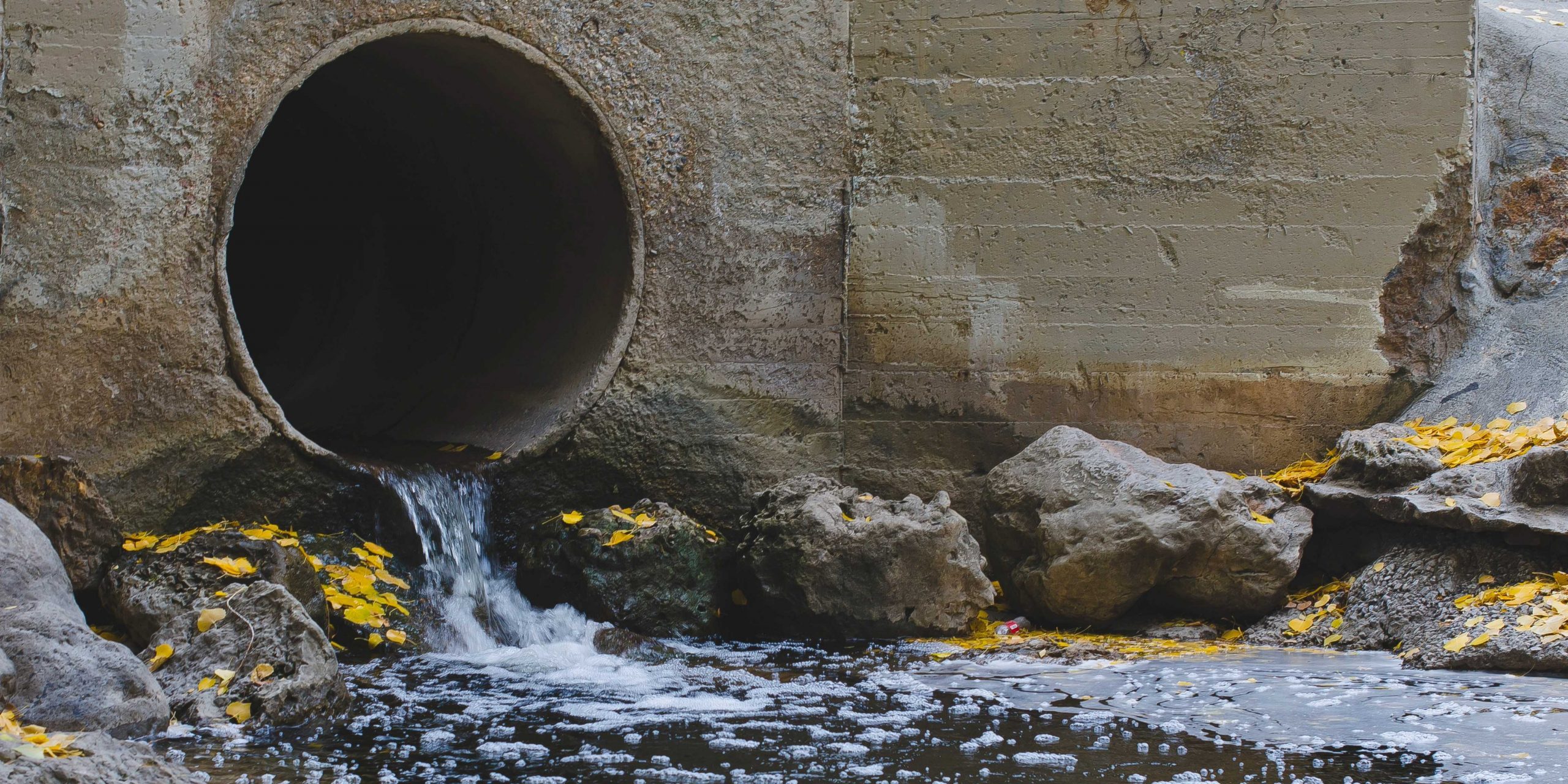
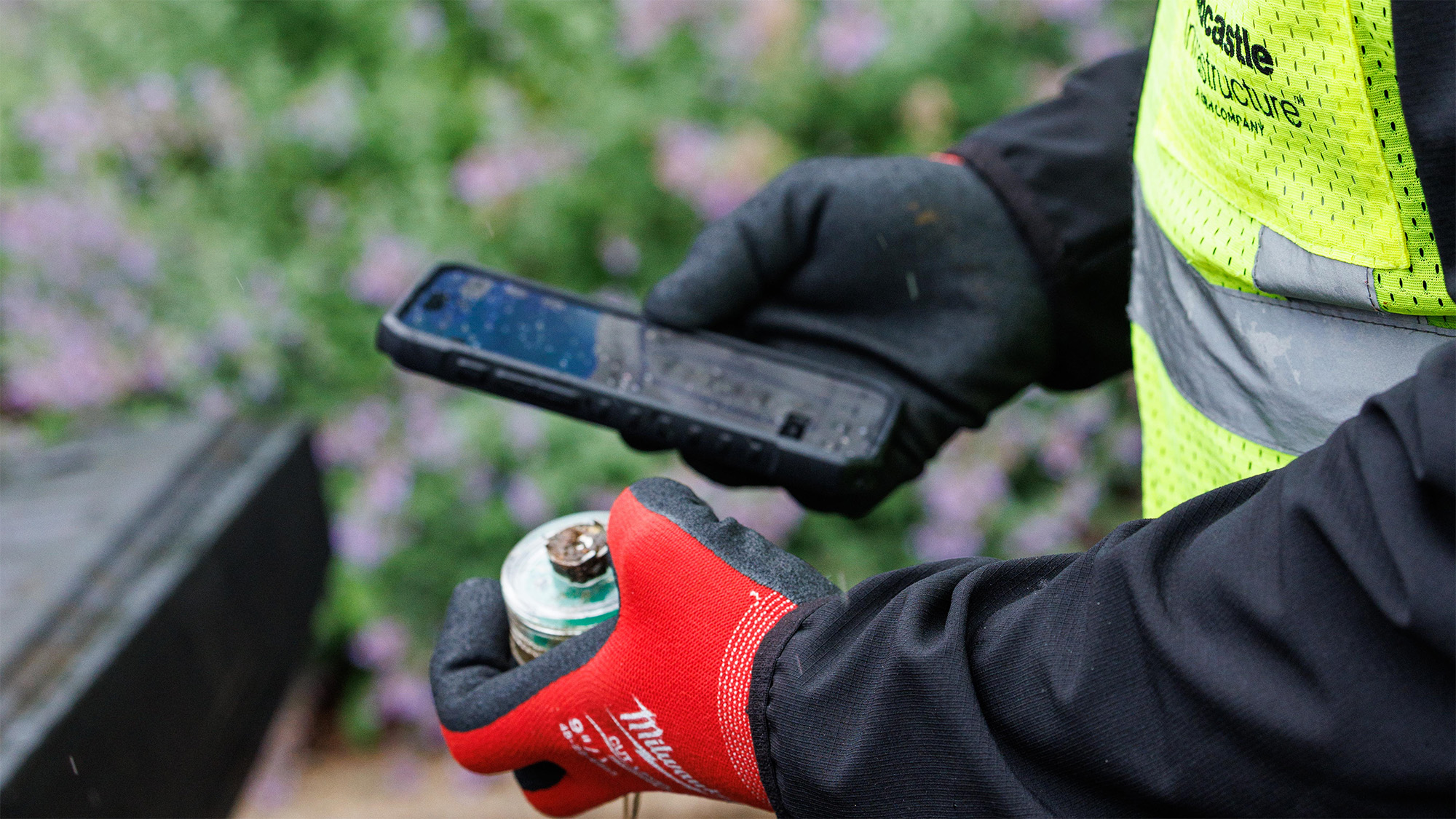
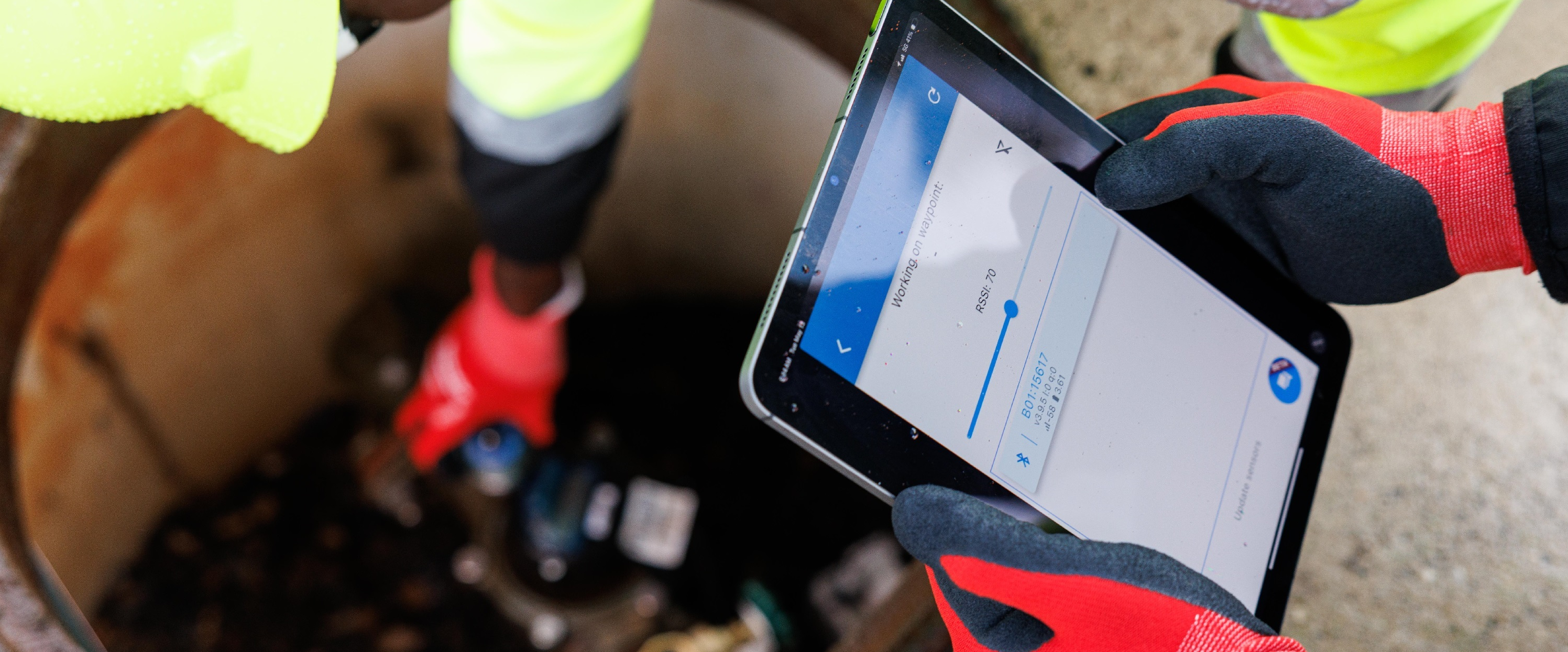
Non-revenue water is a major issue, with municipalities struggling to manage water loss in the face of aging infrastructure. They might be missing out on opportunities to invest time and resources more cost-effectively.
Non-revenue water is known to be a major issue in the United States, with an estimated 6 billion gallons of treated water lost every single day. Many utilities understand that non-revenue water is a problem, and they are taking steps to address it.
However, in the absence of reliable real-world leakage data they may be operating on assumptions that are leading them to miss out on potential asset management efficiencies.
It’s not (just) the age, it’s the mileage
Utilities across the US are investing to improve their network infrastructure as their conveyance systems age: large capital investments are being made to replace and upgrade large sections of supply networks, and these decisions are often being made solely based on the age of the pipe.
There’s no doubt that aging infrastructure is an issue in the US. However, the age of a water pipe is not necessarily indicative of its condition. Just because a pipe is old isn’t a guarantee that it will be failing; in our work we’ve discovered pipes that were installed well over 75 years ago that are still reliably conveying clean water to homes and businesses.
The average total cost to replace a mile of mainline piping is around $1 million, regardless of the age and condition of that pipe, so replacement and upgrade work should target leaking and degraded pipe as a first priority.
In addition, there is an “opportunity cost” that must be factored in—with finite resources, every mile of working pipe that’s replaced is a mile of potentially leaking pipe that has not yet been fixed.
Large leaks start small
Another thing that municipalities might not realize is that large leaks almost always start as small leaks.
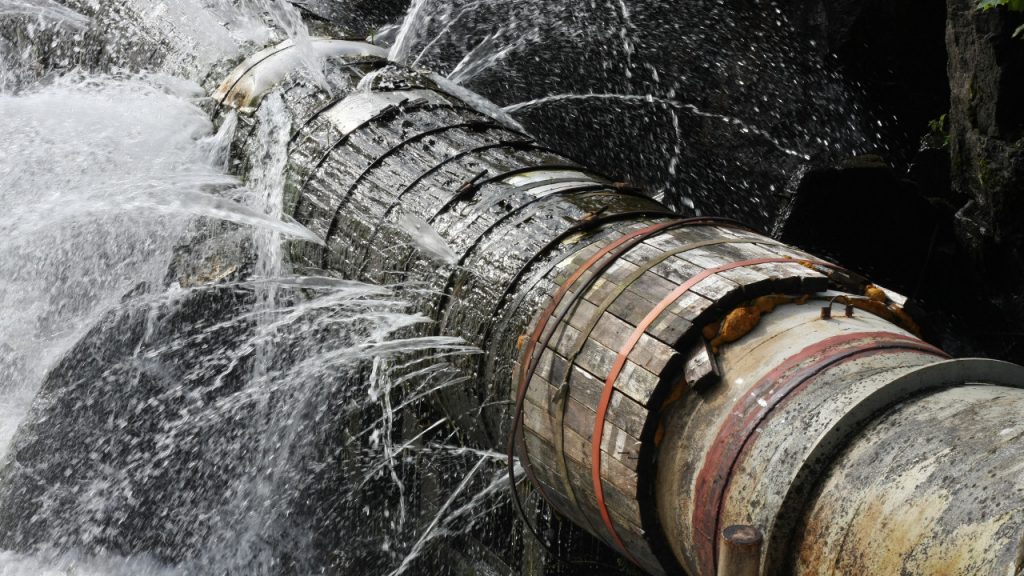
When the main line running through downtown blows up and floods the road with water it becomes an emergency, and the utility is forced to spend a huge amount of money to fix the problem—while also shouldering the blame and negative press for the disruption.
However, that burst almost certainly started life as a trickle.
Prevention is better than cure, but a minor operation is also better than major surgery. Identifying and rectifying the small leaks is not only an investment in cost-effective, robust, and reliable water supply, but it’s also an insurance policy against the costly and damaging system failures of major leaks and burst lines that can result from small leaks going unnoticed.
Remove the guesswork
If pipe age alone can’t be used to gauge condition and a major leak is typically a small leak that has been left undetected, it’s clear that utilities need some way of zeroing in on the degraded network miles in order to prioritize fixing those leaks.
So how can utilities ensure that they are making cost-effective asset management investments and targeting their highest-priority network miles first?
New technologies provide a novel solution. We have been using real-time AI leak detection technology to finely detect and size leaks in supply networks, enabling utilities to target network replacement and upgrade work with surgical precision.
For example, in one of our recent projects we revealed more than 50 previously undetected leaks in two 35-mile sections of pipe—including two large leaks that were at risk of becoming major breaks—enabling the water supplier to take action to make a non-revenue water saving of 319 gallons per minute.
Without reliable real-world data, finding leaks and weaknesses in a 300-mile network of aging pipe is like finding a needle in a haystack. However, conducting an analysis of the pipe network could help the utility to target the 30 miles of leaking pipes first, investing resources to address existing water loss and high-risk leaks to minimize the risk of major line breaks, confident that the remainder of the network is operating effectively and that further upgrades can be phased more cost-effectively into future budget cycles.
Next
In 2023, Utah State University (USU) published its third study of water pipe materials, Water Main Break Rates in the USA and Canada: A Comprehensive Study and presented a range of findings that underscore the severity of the situation.
The study estimates that there are around 260,000 water main breaks every year, the average failure age of water pipe is 53 years, and utilities are losing an estimated 11% of their total water to leakage.
The study analyzed 400,000 miles of pipe—about 17% of the 2.3 million miles in the U.S. and Canada—making it the largest of its kind in North America. But even this landmark study had limitations as it couldn’t account for leaks that remain hidden underground, undetected, and unrepaired.
That’s where CivilSense™ comes in.
CivilSense™ Adds a New Layer of Insight
CivilSense™ is the only water asset management solution that combines AI-driven predictive risk analysis and real-time leak detection capabilities to help municipalities to identify areas of risk, detect hidden leaks, and prioritize repairs.
We’ve worked with municipalities and water utilities from coast to coast in 2025—from small towns to large cities—and our projects from the past year reveal some valuable hidden insights into the condition of water infrastructure in the U.S.
Here’s what our data shows:
One leak for every 1.8 miles of pipe
The USU study estimated an overall failure rate of 11.1 breaks per 100 miles of pipe each year, with a failure being defined as a leak that was detected and subsequently repaired. However, it’s important to note that the USU study was focused on pipe material and degradation, so it did not consider failures due to joint leakage or construction damage. In addition, the data did not include leaks that were detected but not repaired and could not account for leaks that were present but not yet detected.
On average, CivilSense™ detected 0.53 leaks per mile of pipe, which equates to one leak for every 1.87 miles.
Scaled up, this represents a failure rate of 53.5 breaks per 100 miles of pipe (note that this is an overall failure rate measured at a single point in time, not a per year failure rate).
However, the data set ranged from a low of 8.7 breaks per 100 miles to a high of 175.0 per 100 miles, so the average does not convey the real story—which is that there is wild variability in the number of leaks that are hidden beneath our feet.
One in five leaks was large
It’s not possible to calculate exactly what volume of water is being lost to a detected leak, but the CivilSense™ team has used test and real-world data to calibrate the AI model so that it can determine, based on the acoustic signature of the leak, whether that leak should be categorized as small, medium or large. The team then uses AWWA nominal values for each of these categories to estimate the likely volumetric loss of each leak detected.
Of the leaks that CivilSense™ detected in 2025, 21% were categorized as large, 30% were categorized as medium, and 49% were categorized as small.
Every mile of pipe was losing 4.7M gallons a year
Applying the AWWA nominal values to the leak sizes, the CivilSense™ team was able to calculate that for every mile of pipeline in the water distribution network, 9 gallons was being lost every minute. This translates to 12,907 gallons a day, or 4.7M gallons every year.
Put another way, a 100-mile section of network would be losing around 470M gallons to leaks every single year.
Hydrants, meters and mains
The leaks that were detected were distributed across all different types of assets, from curb stops to blow-off valves, and across mains, service lines and customer side. However, the majority of leaks were detected on hydrants (24%), meters (20%), and mains (16%).
Given the sheer number of these assets that are present within water distribution networks, utilities should give careful consideration to them when conducting risk analysis as part of their water asset management activities.
Conclusion
The USU study paints a dramatic high-level picture of the scale of pipe degradation and non-revenue water within our water distribution networks, and the CivilSense™ 2025 project data reveals a deeper layer of granularity that adds further detail.
The water infrastructure challenge facing municipalities and utilities is a daunting one, and resources are limited. However, taking a data-driven approach to water asset management enables decision makers to target high-risk sections of the network first—deploying resources efficiently, ensuring that budgets are allocated effectively, and addressing leaks before they become costly, disruptive major breaks.
Learn more
The Hidden Problem of Grit
Grit—tiny inorganic particles like sand, gravel, and silt—may seem harmless, but in wastewater treatment plants (WWTPs), it’s a costly challenge.
For nearly a century, grit management has focused on removing inert material at the headworks to protect downstream processes. Early standards defined grit as 212 microns at 2.65 specific gravity, essentially clean silica sand.
Why remove grit early? Because once it enters tanks, digesters, or piping, it causes:
- Tank volume loss: Grit accumulation reduces treatment process efficiency.
- Equipment wear: Abrasive particles damage pumps, augers, and centrifuges.
- Costly cleanouts: Removing grit from digesters can cost millions.
- Frequent repairs: Valves and pipes clog faster, increasing maintenance costs.
The True Cost of Poor Grit Management
When grit bypasses headworks removal, it accumulates throughout the plant—in tanks, channels, pipes, and advanced treatment processes—leading to:
- Reduced process efficiency: Tanks lose volume as grit builds up.
- Expensive cleanouts: Digesters clogged with grit can cost millions to clean.
- Accelerated equipment wear: Pumps, chains, and flights fail faster under abrasive conditions.
- Frequent pipe replacement: Grit clogs valves and piping, increasing downtime.
Modern treatment technologies like fine bubble aeration improve process control but create new grit challenges. Reduced mixing means grit settles faster, making cleanouts harder and more expensive.
Modern Challenges Require Modern Solutions
Traditional grit removal technologies—detritus tanks, aerated grit basins, and vortex units—helped, but grit still made its way downstream. Today’s advanced processes, like fine bubble aeration, are particularly hard-hit as grit settles on ceramic diffusers, reducing aeration efficiency and forcing blowers to work harder.
The most cost-effective solution? Remove grit at the headworks.
Advanced Grit Removal at the Headworks
Modern grit removal systems capture fine particles efficiently, preventing downstream damage. Benefits include:
- Lower lifecycle costs
- Reduced odor complaints
- Easier and more cost-effective disposal (clean, dry inert material)
- Protection for advanced treatment technologies
Removing grit at the headworks isn’t optional—it’s essential for plant performance and cost control.
The Solution: HeadCell®
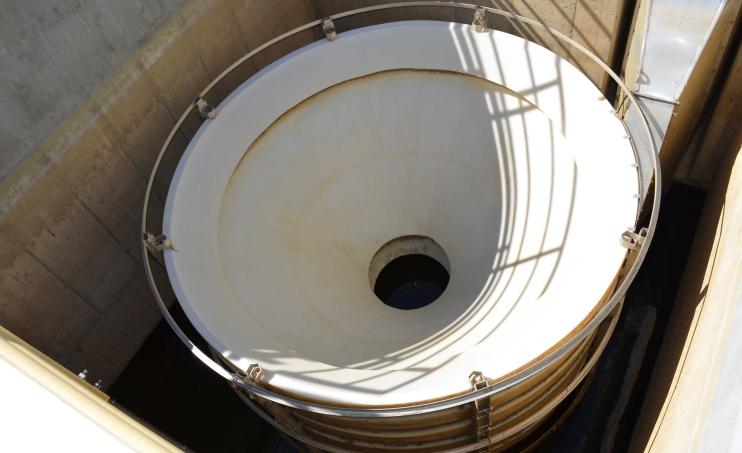
Oldcastle Infrastructure’s HeadCell® modular stacked tray grit separator captures and retains 95% of all grit 75 micron and larger with minimal headloss, protecting downstream equipment and processes from abrasive wear and sedimentation.
Key advantages:
- Small footprint: Fits in tight spaces and enables capacity increases using existing infrastructure.
- No electrical requirements & no moving parts: Low maintenance and high reliability.
- Durable design: Long component life with minimal wear under challenging conditions.
- Flexible installation: Ideal for new plants or retrofit upgrades; can be installed in a poured-in-place concrete basin above or at grade.
By enabling plants to meet stringent environmental requirements and protect critical downstream processes, HeadCell is the ultimate grit removal solution for WWTPs.
Learn More
When it comes to stormwater infrastructure, performance over time is just as critical as performance on day one.
That’s why Oldcastle Infrastructure’s MaxWell® drywell system is supported by a comprehensive service and maintenance program, ensuring that every installation continues to deliver results year after year.
MaxWell® Drywell System: More Than Just Installation
MaxWell® is widely known for its deep infiltration capabilities and its role in sustainable groundwater recharge, especially in water-stressed regions like Southern California, but what truly sets it apart is the full lifecycle support that comes with it.
Confined-Space Certified Inspections
Our service team conducts confined-space certified inspections to identify potential issues before they become costly problems. These inspections help maintain compliance and extend the life of your stormwater system.
Routine Cleanings for Optimal Performance
Sediment, hydrocarbons, and debris can compromise infiltration rates. Our technicians perform routine cleanings and replace absorbent pillows and socks to keep your system functioning at peak efficiency.
Detailed Compliance Documentation
Regulatory compliance is non-negotiable. We provide detailed documentation after every service visit, helping municipalities and facility managers stay ahead of local and state requirements.
Advanced Filtration Support: MaxFilter® and PerkFilter®
For systems that include filtration components like MaxFilter® or PerkFilter®, Oldcastle Infrastructure offers a streamlined cartridge exchange program.
This program ensures:
- High water quality
- Reduced maintenance costs
- Quick turnaround for filter replacements
GIS Mapping and Asset Tracking
Our service program includes GIS mapping of BMP locations and service history, adding another layer of value for facility managers and municipal teams. This feature simplifies asset tracking, planning, and budgeting for future maintenance.
Why Choose Oldcastle Infrastructure for Stormwater Solutions?
With MaxWell®, customers don’t just get a product—they get a partner committed to long-term performance, compliance, and sustainability.
Discover our service and maintenance capabilities for MaxWell®.
Learn more
As the commercial director for MaxWell® at Oldcastle Infrastructure, I’ve witnessed firsthand how infiltration has evolved from a niche strategy into a central pillar of modern stormwater management.
Over the past decade, this shift has been driven by a combination of regulatory pressure, environmental awareness, and the urgent need to mitigate urban flooding. MaxWell® is not just responding to these trends—it’s helping define them.
Infiltration Over Detention: A Paradigm Shift
Municipalities and developers are increasingly prioritizing infiltration systems over traditional detention and conveyance methods. This shift reflects a growing recognition that managing stormwater at its source—by allowing it to percolate into the ground—is more effective for long-term resilience. MaxWell®’s subsurface infiltration design supports this approach by reducing runoff volume, promoting aquifer recharge, and restoring natural hydrologic cycles.
Integration with Green Infrastructure
One of the most exciting trends is the integration of infiltration systems into broader green infrastructure strategies. MaxWell® complements surface-level solutions by adding subsurface capacity that enhances overall system performance. This synergy allows for greater design flexibility and supports multifunctional landscapes that deliver both ecological and aesthetic benefits.
Meeting LID and TMDL Requirements
As regulations tighten, infiltration systems are increasingly used to meet Low Impact Development (LID) and Total Maximum Daily Load (TMDL) benchmarks. MaxWell® is engineered to reduce pollutant loads and manage stormwater volume, making it a powerful tool for compliance. Its modular design and adaptability to various soil types and water table depths ensure it can be tailored to meet specific site and regulatory needs.
Design Flexibility and Site Adaptability
The system’s precast concrete construction and modular configuration allow it to perform across a wide range of site conditions. Whether installed in new developments or retrofit projects, MaxWell® accommodates varying infiltration rates and soil profiles. This flexibility is critical in urban environments where space, soil, and water table constraints often challenge traditional solutions.
Innovation Through Collaboration
At Oldcastle Infrastructure, we’re committed to staying ahead of the curve. We invest in research, collaborate with engineers and regulators, and continuously refine MaxWell® to meet emerging needs. This proactive approach ensures that MaxWell® remains at the forefront of stormwater innovation—ready to support communities in building more resilient, sustainable infrastructure.
Conclusion
As infiltration continues to gain momentum in stormwater management, it’s clear that the industry is moving toward solutions that are not only technically sound but also environmentally responsible. MaxWell® stands at the intersection of innovation and impact—supporting regulatory compliance, enhancing green infrastructure, and enabling resilient urban design. By staying informed on emerging trends and collaborating across disciplines, we’re not just adapting to change—we’re helping lead it.
With MaxWell®, communities can build infrastructure that works with nature, not against it, creating a more sustainable future for generations to come.
Learn more
Redefining Stormwater Infiltration for a Changing World
When we first conceptualized the MaxWell® product, our goal was clear: redefine what a stormwater infiltration system could achieve, especially in the realm of deep infiltration and groundwater recharge.
As urbanization accelerates and climate pressures intensify, the need to sustainably manage stormwater and replenish aquifers has never been more urgent.
Unmatched Depth for Groundwater Recharge
MaxWell® is engineered to infiltrate stormwater at depths that conventional systems simply can’t reach. This capability is especially critical in regions with low-permeability soils or where shallow infiltration systems fail to perform. By enabling deeper infiltration, up to 120 ft, MaxWell® empowers municipalities and developers to meet groundwater recharge targets even in geotechnically challenging environments.
Precision Design for Optimal Performance
Its vertical configuration and customizable depth options allow for precise placement below the root zone and above the seasonal high water table—ensuring optimal infiltration while protecting groundwater quality. Integrated pretreatment features remove sediment and pollutants before water enters the infiltration chamber, enhancing long-term system performance and water quality outcomes.
Driving Regional Water Sustainability
MaxWell® plays a vital role in regional water sustainability. In areas facing groundwater depletion, it offers a scalable, cost-effective, and technically robust solution to restore hydrologic balance. It supports long-term water resource planning and helps communities build resilience against drought and climate variability.
Innovation with Purpose and Impact
We are proud to offer a solution that not only meets rigorous engineering standards but also advances environmental stewardship. MaxWell® is a testament to how infrastructure innovation—when driven by purpose—can deliver lasting impact.
Learn more
In today’s rapidly changing world, the need for sustainable stormwater management and groundwater recharge has never been more urgent.
Cities and suburbs alike are facing the environmental consequences of aging infrastructure and stricter water regulations.
At Oldcastle Infrastructure, we believe that effective solutions must do more than meet technical requirements—they must also support long-term environmental resilience and community well-being.
That’s why we developed the MaxWell® Stormwater Infiltration System. More than just a drywell, MaxWell® represents a forward-thinking approach to groundwater recharge, combining proven performance with scalable design and expert support.
Whether you’re planning a new development or retrofitting an existing site, MaxWell® offers a reliable, cost-effective way to manage runoff, restore natural hydrologic cycles, and contribute to healthier ecosystems.
What is MaxWell®?
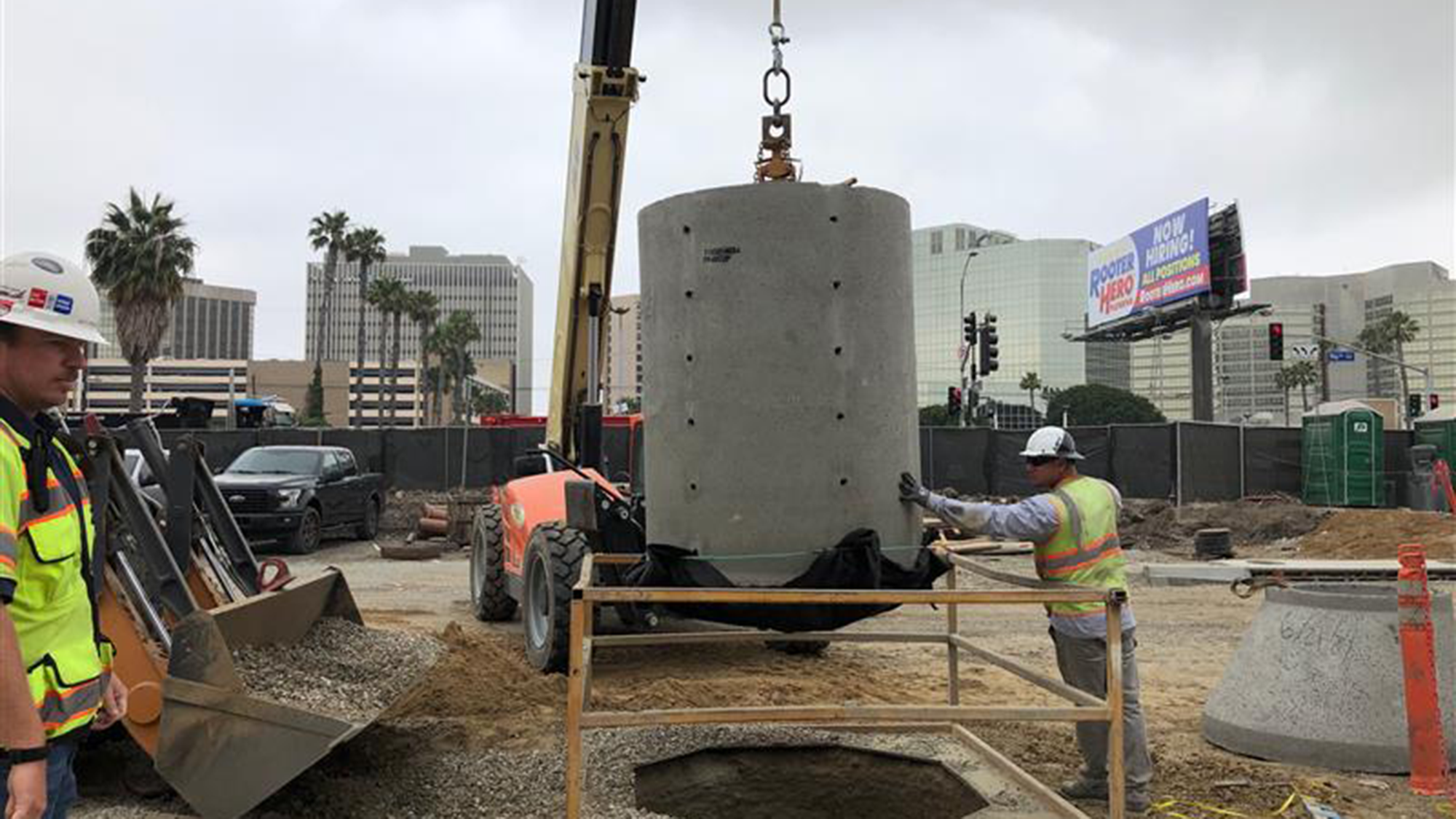
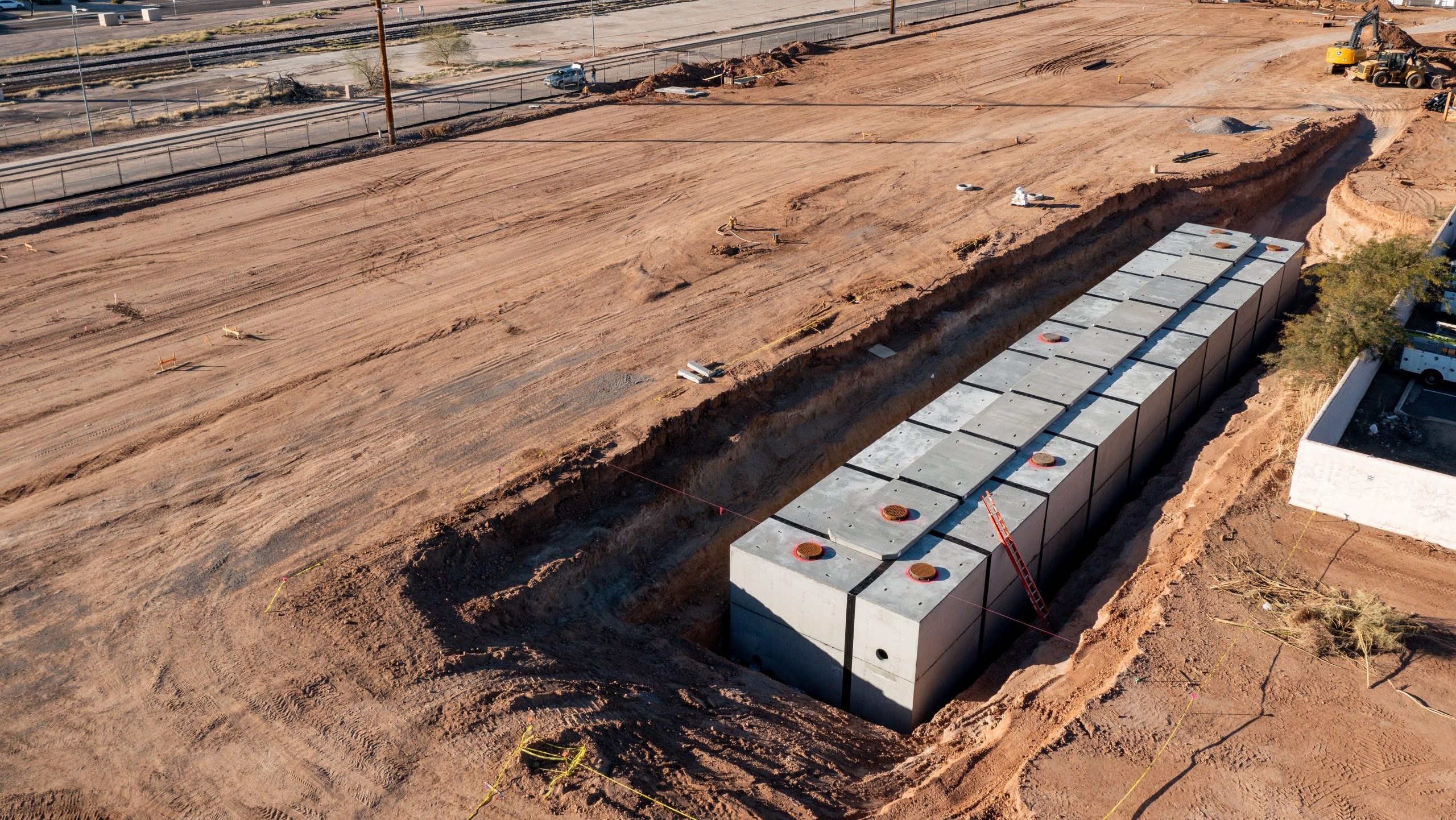
Developed by Torrent Resources, MaxWell® is Oldcastle Infrastructure’s subsurface stormwater infiltration system engineered to manage runoff by allowing water to percolate into the ground, replenishing aquifers and reducing surface discharge. With over 70,000 systems installed since 1974, MaxWell® is a proven, effective drywell solution, and our expert teams take care of design and installation—helping contractors to save time, reduce costs, and improve safety on site.
Why was MaxWell® developed?
We developed MaxWell® in response to the growing demand for sustainable stormwater management in urban and suburban environments. With increasing impervious surfaces and tightening regulations, traditional systems often fall short. MaxWell® offers a scalable, cost-effective, and high-performance alternative that integrates seamlessly into modern infrastructure.
How is MaxWell® engineered to perform across different site conditions and long-term use?
MaxWell® units are built using high-strength precast concrete, ensuring durability and long service lifetimes of over 50 years. The system is designed to accommodate varying infiltration rates, soil types, and water table depths—making it ideal for applications focused on groundwater recharge, flood mitigation, and water quality improvement.
In what ways does MaxWell® support environmental sustainability and community values?
MaxWell® contributes to broader environmental goals by promoting infiltration, restornig natural hydrologic cycles and supporting healthier ecosystems. It’s a product that not only solves engineering challenges but also aligns with community values and long-term sustainability objectives.
How does Oldcastle Infrastructure’s team enhance project success with MaxWell® through design-build expertise?
With over 50 years of experience, our team provides a project-focused design-build service that saves time, reduces cost and complexity, and improves site safety. We have full-service experts who can provide input and assistance at all stages of the drywell product lifecycle, from conception all the way through long-term maintenance.
MaxWell® is more than just a stormwater solution—it’s a reflection of how we approach infrastructure with purpose, precision, and long-term environmental impact.
Learn more
Delivering predictive insights to prevent line breaks with CivilSense™
More than 700 water mains break every day, contributing to the daily loss of six billion gallons of processed water – a staggering problem.
Facing costly challenges
With two million miles of aging and leaking pipes across the country, the United States’ water infrastructure system is at a precipice. Municipalities face the costly challenge of locating and repairing these breaks, leaving little room for much needed infrastructure upgrades.
Finding leaks and prioritizing repairs in pipes buried deep underground is a difficult task, to put it mildly. That’s why water managers are turning to the predictive power of CivilSense™ for smarter water asset management.
What is CivilSense™?
CivilSense™ combines real-time leak detection, predictive leak analysis, and expert guidance — a powerful integration of cutting-edge AI technology and Oldcastle Infrastructure’s deep industry expertise.
CivilSense™ uses two distinct machine learning models: one for real-time leak detection and another to predict which pipes are most likely to fail.
How does CivilSense™ work?
To assess the likelihood of future failures, CivilSense™ follows a three-step process.
First, a project manager works with the water management team to collect the necessary data for analysis. In addition to standard inputs, Oldcastle Infrastructure’s data scientists can identify additional data sources that can enhance predictive accuracy. If data quality or completeness is limited, the project manager may recommend strategies to maximize effectiveness.
To develop an accurate assessment of failure risk, CivilSense™ analyzes key network data, including:
- Pipe material, year of installation, and diameter
- System pressure, velocity, and usage
- Historical failure location and date
- Geographical and soil characteristics
- Climate and environmental conditions
- Proximity to roads, buildings and other assets
- Construction data
Next, Oldcastle Infrastructure’s data scientists process, clean, and structure the data to ensure the highest-quality outputs. Then, the daVinci proprietary machine learning model — developed by technology partner VODA.ai — analyzes the dataset to generate an assessment of failure risk for each individual pipe.
The results reveal both the likelihood and consequence of failure, combining these factors into a comprehensive measure of business risk exposure. With this intelligence, utilities can make proactive, data-driven decisions that extend asset life and reduce unplanned outages.
CivilSense™ forecasts the condition of individual pipes and provides insight into the likely future condition and reliability of individual pipes, providing utilities with insight into imminent breaks as well as long-term replacement, refurbishment and upgrade requirements.
In addition to its 93% real-time leak detection accuracy, CivilSense™ also delivers market-leading predictive risk analysis, consistently outperforming traditional leak prediction models, technologies and techniques. Its predictive algorithms are continually refined and improved by a dedicated team of data scientists.
Conclusion
By delivering predictive insights and real-time detection, CivilSense™ helps prevent line breaks, reduce non-revenue water, and optimize repair and upgrade investments. It’s how utilities can finally gain control over water asset management before problems happen.
Contact an Oldcastle Infrastructure specialist to learn more about predictive leak detection or to schedule a demo.
About CivilSense™
CivilSense™ – the only asset-management solution that delivers predictive and real-time AI leak detection with market-leading 93% accuracy. Backed by the expertise and scale of America’s leading infrastructure business.
Learn more
- See how CivilSense™ offers a smarter, proactive solution to costly line breaks, non-revenue water, and inefficient repairs.
- Try our ROI Calculator to find out how CivilSense™ could help you cut non-revenue water loss, improve your budget and protect economic activity.
- Download the product sheet.
- Discover how new leak detection technology saves the City of Hailey, Idaho 59M gallons of water annually in our case study.
Water scarcity is an ongoing challenge across many regions of the United States, and its effects are intensifying. In the Southwest, prolonged droughts combined with rising demand for water have placed immense pressure on natural resources, leading to the alarming depletion of vital aquifers.
To combat this, some states have implemented incentive programs such as managed aquifer recharge (MAR), which typically awards credits for recharging aquifers that can be used for future abstraction. This “groundwater banking” approach has undoubtedly helped, as the fundamental concept of this system requires that deposits be made into the aquifer in order to make withdrawals, which helps to ensure sustainable water supply. However, this process has its limitations.
In recent years, however, a promising alternative approach has emerged.
What is Recharge Net Metering?
Recharge Net Metering (ReNeM) was introduced by Bruce et al in Nature Water in 2023 and derived from the same concept as Net Energy Metering (NEM), a renewable energy incentive that rewards electricity customers for generating their own electricity and feeding it back into the grid.
Under NEM, when customers are drawing more power than being generated, they are charged for that power; however, during periods when their on-site electricity generation source is generating more electricity than being used, this surplus generation recharges the grid, and the customer is awarded with credits that are applied to their electricity bill.
ReNeM operates on the same principle, only with water as the shared public resource instead of electricity. Under the ReNeM framework, customers are charged when they draw water from public sources but are given a rebate if they invest in stormwater management techniques that infiltrate surface water back into the vadose zone.
ReNeM and MAR: what’s the difference?
Both MAR and ReNeM reward the return of water to groundwater supplies, but the main difference between the two is that MAR operates like a traditional bank—you deposit water, and you can withdraw that water at a later date—while ReNeM operates more like a shared community fund.
The MAR “groundwater banking” model is a valuable tool for incentivizing groundwater recharge in the face of water scarcity, but it has significant limitations.
The first limitation is that it isn’t really like a bank; money deposited into an account remains in that account, whereas water may infiltrate or otherwise move out of the area in which it was deposited, meaning deposits are not guaranteed to replenish the aquifer.
The second limitation is that it is like a bank, in that if there’s a “run” on groundwater then the “bank”—the aquifer—might be unable to meet demand due to, pardon the pun, insufficient liquidity.
The third is that under MAR a water “deposit” comes with the right to withdraw that deposit at a later date, meaning that what is being incentivized is balancing supply and demand at an individual user level, instead of replenishment at the aquifer level. Most MAR programs design an imbalance into the system in order that the volume of water credited for withdrawal is smaller than the volume credited for recharge, but in the face of sustained pressure from human abstraction and an increasingly dry climate, this is not always effective.
Finally, it is not always possible to implement a MAR program in a cohesive way, as private land ownership and incompatible geology mean that MAR infiltration elements are often implemented in isolation and in a way that imbalances net infiltration.
ReNeM aims to address these limitations, and it does so by decoupling deposits from withdrawals instead rewarding and incentivizing long-term, holistic infiltration and awarding rebates to landowners that account for volumes of water infiltrated and the costs associated with pumping.
For example, ReNeM rewards the collection and infiltration of precipitation during monsoon seasons or periods of intense storms; on sites that have not been optimized for stormwater capture and infiltration, the bulk of that surface water may enter natural or man-made drainage networks and leave the area without providing a significant local groundwater recharge benefit.
The depths and breadths of infiltration
Aquifers are deep-lying bodies of water that can take many years to recharge from surface water infiltration—centuries, for confined aquifers—and as human abstraction drains them far faster than they can be replenished by natural means, it is preferable to collect and infiltrate surface water using artificial means. MAR operates on precisely this assumption, using a range of shallow and deep infiltration techniques to manage surface water.
While this is undeniably beneficial in replenishing the reserves of water available for human use, its effectiveness is limited by its structure. By relying on and incentivizing individual site owners it results in a patchwork of disconnected infiltration points that, while undoubtedly effective on a local scale, fail to utilize the entire landscape—both built and natural—for collection and infiltration. As such, MAR uses only a percentage of the surface area available for collection and infiltration and can therefore only ever hope to recharge a percentage of the available precipitation. Further, its “deposit-to-withdraw” concept can disincentivize a site owner from recharging more than his or her anticipated future demand.
ReNeM broadens the scope to consider the landscape as a single collection and infiltration vector that operates continually and incentivizes a range of collection techniques that accommodate different site conditions and seasonal variations in precipitation. By also broadening the concept to incentivize a communal net recharge model, rather than an individualistic “supply-and-demand” model, individual participants share the benefit as a community.
The ideal approach to effectively replenishing our aquifers is likely to require a balance of shallow and deep infiltration techniques, with human factors, supply and demand, environmental, geographical and geological conditions all influencing the mix of methods and technologies. The ReNeM model takes this into account, though in order to achieve widespread adoption it is critical that landowners are provided with a selection of collection and infiltration options that meet their site-specific requirements, and that sufficient funding sources are made available.
The solution: champion ReNeM, improve MAR
Although the case for ReNeM is compelling, I am under no illusion that we are going to transition from MAR to ReNeM at scale any time soon. Societal, financial, and political barriers exist that can make it difficult to achieve buy-in from all the parties required to make it a success.
Nevertheless, we should continue to push for its adoption. Water is a precious, finite, shared resource, and balancing supply and demand is most likely to be achieved when we think and act as a community, sharing responsibility for its effective management.
We should continue to implement the range of stormwater management techniques that support the surface-level and shallow infiltration components of a ReNeM program, particularly in developed areas with high levels of impermeable surfaces. Detention, retention and infiltration systems such as CUDO®, StormCapture® and BioPod™ provide surface-level and shallow storage and infiltration that mimic the natural processes that were present at a site before it was developed.
We should also keep in mind that, despite its limitations, a MAR program is still overwhelmingly better than no aquifer replenishment program at all. However, where MAR is implemented, we should try to improve the way it operates. Landowners should aim to infiltrate surface water as deeply as possible, ideally around one or two feet above the boundary layer of the aquifer. This approach gets water directly to where it needs to be, while adding a natural filtration stage through the local geology.
A deep infiltration drywell such as MaxWell® is optimized for just such an application. At just 6 ft in diameter, these systems have a very small footprint but provide a drainage area of over 43,000 sq ft and a storage volume of up to 2,500 gallons, and they can infiltrate at depths of up to 120 ft. MaxWell systems in Arizona and southern California alone recharge around 4.2 bn gallons or 13,000 acre-ft of precipitation every year.
Conclusion
In the end, achieving sustainable water management requires both innovation and pragmatism. While widespread adoption of ReNeM may take time, championing its principles alongside improving MAR programs is a critical step forward.
By integrating surface-level solutions like CUDO®, StormCapture®, and BioPod™ with deep infiltration systems such as MaxWell®, we can create a layered approach that mimics natural hydrology and maximizes aquifer replenishment. Every gallon recharged represents progress toward a future where water scarcity is mitigated through shared responsibility and smarter infrastructure.
The path may be challenging, but the payoff—a resilient, sustainable water supply for generations to come—is worth every effort.
Learn more
Our nation’s water infrastructure is aging, and beneath our feet, leaking pipes are costing us gallons and dollars. A new water asset management tool taking the stage to help make this invisible issue visible, empowering decision makers to take action.
From Portales, NM, to Phillipsburg, NJ, and everywhere in between – communities across the U.S. are facing a growing issue: water main breaks.
Whether in bustling cities like Chicago and Atlanta or smaller towns like Rexburg, ID, and Hanover Township, PA, these incidents are causing costly disruptions for homeowners and businesses alike. The impact is widespread, affecting daily life and underscoring the urgent need for infrastructure resilience.
In Rexberg, ID, crews uncovered an even larger issue when conducting an initial repair that caused reduced water pressure throughout the community. Meanwhile, in Oklahoma City, OK, water main breaks increased by 65% since the previous fiscal year. Further, in Phillipsberg, NJ, the city delayed its first day of school because of a water main break.
Nearly every day, municipal water managers face a persistent challenge that quietly drains resources and impacts community sustainability: non-revenue water loss.
For decision makers who want to get ahead of this water asset management problem, we’ve developed a new and useful tool: the CivilSense™ ROI Calculator.
Inputting readily available information can reveal the likely scale of water loss beneath your feet, transforming complex operational data into clear financial insights that drive informed decision-making.
Quantifying the hidden costs of water loss
The CivilSense™ ROI Calculator supports municipal water asset management by making invisible losses visible. The tool enables water managers to quantify probable non-revenue water losses within their system, converting abstract percentages into concrete dollar amounts and gallon measurements that resonate with stakeholders.
Water systems lose billions of gallons annually through aging infrastructure, yet many communities struggle to articulate the true cost of these losses. The CivilSense™ ROI Calculator bridges this gap by projecting leak frequencies based on system characteristics and calculating the economic impact of main breaks before they occur.
This probabilistic capability enables the shift from reactive maintenance to proactive infrastructure management.
Valuable Analysis in minutes
Input simple system parameters — network length, variable production cost, business tax rate — and you’ll estimate:
- Annual non-revenue water loss, in gallons and dollars
- Future main-break risk likelihood
- Economic and budgetary impact of main breaks
Water main break estimations are one of the calculator’s most valuable functions. Using realworld data gathered from CivilSense™ projects carried out across the country — such as Bartow County, GA — the tool calculates probable break frequencies and the likely direct and indirect costs associated with them.
This capability helps water asset managers begin to quantify the risks inherent in their network and determine how urgently they need to conduct a more targeted analysis to detect and locate leaks.
Water asset management data
Community leaders can input their specific system details through guided prompts, with the tool instantly converting these parameters into understandable metrics.
If particular information isn’t available or isn’t known, the tool uses national averages and calculated data to provide a representative assessment.
The result is immediate feedback as data is input, allowing decision makers to explore different scenarios and understand how various factors influence their system’s efficiency.
This interactive approach facilitates a better understanding of water loss dynamics and their financial consequences.
Supporting strategic planning and funding
The calculator’s output extends beyond basic loss calculations to support comprehensive water asset management, financial, and operational planning. Generated reports provide the documentation necessary for grant applications, budget proposals, and board presentations, strengthening the business case for infrastructure investments or leak detection and risk
analysis projects.
Municipal leaders increasingly require data-driven justification for capital expenditures, which is why the CivilSense™ ROI Calculator is the ideal tool that translates initial technical assessments into financial language that resonates with decision-makers.
With the CivilSense™ ROI Calculator, communities can demonstrate the potential cost-benefit relationship of infrastructure improvements with confidence, supported by reliable calculations and professional reporting.
Learn more
In the race to deliver fast, reliable broadband to U.S. homes, fiber-to-the-home (FTTH) deployments are expanding rapidly. Yet while fiber is transforming last-mile connectivity, the internal wiring within the home still plays a critical role in ensuring performance, reliability, and security. As device counts surge and remote work, streaming, and smart home features become standard, structured wiring is increasingly being recognized as a foundational element in high-performing home networks.
Why Structured Wiring Is Still Relevant in a Wireless World
WiFi is indispensable, but it isn’t infallible. Signal degradation, interference, and bandwidth bottlenecks are common in homes with multiple users and connected devices. Structured wiring complements WiFi by providing a stable, high-bandwidth backbone for core applications like work-from-home setups, streaming, and gaming.
Unlike ad hoc cabling or over-the-air reliance, structured wiring uses a planned, centralized architecture, which is often centered around a media panel, to route fiber, Ethernet, and coax where it’s needed. It simplifies installation, supports higher throughput, and reduces troubleshooting.
Wired Connections Strengthen Security
Security is a growing concern for broadband providers and developers alike. Structured wiring minimizes exposure to common wireless vulnerabilities. A physical, point-to-point network setup reduces the risk of interference and unauthorized access, especially for security devices like smart cameras and sensors.
When used with Power over Ethernet (PoE) devices, structured wiring can also reduce reliance on home electrical outlets, eliminating risks associated with unsecured, plug-in network extenders or WiFi bridges.
Support for Smart Home Devices and Futureproofing
From lighting controls and video doorbells to smart thermostats and energy monitors, the number of PoE-powered devices is growing. These systems often demand a more reliable, wired connection. Structured wiring provides the physical infrastructure needed to support these technologies now and in the future. As device counts grow (now averaging 21 per home up from 11 in 2019) structured cabling helps ensure that performance doesn’t suffer due to WiFi congestion or poor signal quality.
Deployment Made Easier with the Right Solutions
For broadband installers working on FTTH projects, structured wiring doesn’t have to complicate the job. Media panels like the Primex P3000 for new builds and PR10 for retrofit projects offer a secure, centralized point for routing Ethernet and fiber, supporting clean installations and future serviceability. Products like the FTC2 Fiber Wall Plate simplify in-room terminations, making it easier to maintain signal integrity in retrofit or greenfield settings.
These structured cabling tools are ideal for:
- Single-family FTTH deployments
- Multi-dwelling unit (MxU) builds
- Managed WiFi and smart community developments
Why It’s Good for Business
Structured wiring reduces rework, simplifies maintenance, and creates a professional install standard that benefits both ISPs and homeowners. As providers work to meet BEAD program goals and expand service into more communities, structured wiring helps deliver reliable connectivity that’s easier to support long-term.
Wireless is here to stay, but so is the need for a strong wired foundation. Structured wiring strengthens the entire network, reduces friction for installers, and ensures FTTH projects deliver the speed, security, and performance that customers expect.
Oldcastle Infrastructure supports smarter broadband deployment with media panels, fiber wall plates, enclosures, and fiber routing tools that make structured wiring easier to plan and install. Explore our Communications Solutions to see how we help you connect more homes, more efficiently.
New solutions to the problem of combined sewer overflows
Combined sewer overflows (CSOs) present environmental and health hazards to around 700 communities in the US. New technologies are providing new ways to approach and reduce those risks.
CSO events
A combined sewer—as its name suggests—carries both wastewater and stormwater in a single pipe. In order to prevent downstream treatment plants from becoming overwhelmed, combined sewers are designed to allow overflow during intense storm events or sustained periods of elevated rainfall. Under these conditions, these CSO events act as a kind of “safety valve” within the system, relieving pressure by discharging a proportion of untreated or partially treated sewage directly into a waterway.
While this helps to keep wastewater treatment plants operating safely and effectively, these spills nonetheless present an environmental and health risk to the bodies of water into which the spills are discharged, and to the communities within which they are located.
While most communities in the US have separate sanitary and stormwater sewer systems to prevent the influence of stormwater in the wastewater sewers, today around 700 municipalities, primarily around the Great Lakes and in the north east, operate with combined sewer systems. This is primarily due to the age and density of the utility infrastructure within them: it is either physically or financially unfeasible to separate the existing combined sewer systems.
While progress on spills is being made—EPA estimates indicate that in 2004 a total CSO volume of 850 billion gallons was discharged, and that by 2020 that had halved—these outflows continue to discharge billions of gallons of untreated waste every year.
Causes of CSOs
The underlying cause of all CSOs is a volume of wastewater and stormwater within a system that exceeds the capacity of that system.
There are broadly three factors that result in this situation: weather, blockages, and failures.
Weather
The most visible cause of CSO events is heightened flow into the system as a result of storm events, prolonged periods of precipitation and even snowmelt. This elevated flow may exceed the capacity of the combined sewer.
As our climate changes and we see more frequent storms and longer and more intense periods of precipitation, these kinds of pressures on our combined sewers will only increase.
Blockages and impediments
Impediments and blockages within the pipe network can cause flow to back up, increasing pressure on upstream sections of the network that can result in an overflow event.
These blockages and impediments may be caused by buildup of trash and debris carried in stormwater, or by accumulations of fats, oils and grease (FOG) and other inappropriate materials flushed into the sewer system.
The big problem with blockages and impediments is that, without regular inspections, they remain undetected until they cause flow to back up.
Failures
Failures comprise any damage to assets within the system that cause flow to exceed capacity within a particular section of the network.
For example, breakages to sewer pipes may allow groundwater or other sources of additional water into the network, or they might provide entry points for tree roots that can cause debris entanglements that give rise to blockages or impediments.
These are similarly difficult to detect until they cause flow to become acute.
CSO prevention and mitigation
CSOs are subject to the National Pollutant Discharge Elimination System (NPDES) permitting program, and through this program the EPA established a national CSO Control Policy. Communities that have CSOs are required to comply with the CSO Control Policy and obtain a permit to discharge.
In summary, the policy requires communities to implement a range of measures to reduce the risk and mitigate the severity of overflow events, and to conduct regular monitoring in order to ensure compliance with both the policy and the water quality standards set out by the Clean Water Act.
Broadly speaking, there are three ways to address CSO events: prevent flow from exceeding capacity, reduce flow if it approaches capacity, and treat overflows if capacity is exceeded. Fortunately, new and proven technological solutions exist to improve the way we approach all three of these techniques.
Preventing combined sewer flow
One way to reduce overall flow is to think of the drainage network holistically, as a complex but interconnected system with an overall total capacity that can be used to manage the volume of stormwater within the drainage network as a whole.
Passive flow control systems, such as Hydro-Brake® valves, use hydrodynamic vortex technology to slow down the flow of water through a system, holding it back in a designated storage area and releasing it at a controlled rate to ease downstream pressure on the network. A series of these systems, placed at strategic points in the network, can be used to manage predicted flows based on expected precipitation levels.
While passive flow control, detention and retention are not new concepts in stormwater management, what is new is the idea of connecting areas of stormwater storage and using automated valves to adaptively manage the total storage within the system as though it were a single entity. This approach switches from passive to active flow control, and has the advantage of reacting in real time to manage peak flow events.
The StormCapture® CMAC module is one such example of this active flow control philosophy. The CMAC (continuous monitoring and adaptive control) module uses sensors to monitor water levels within the StormCapture® system, and it automatically opens and closes an actuated valve in response to real-world conditions. In this way it can either hold water back to allow downstream sections of the network to drain out, or it can allow stormwater to pass through the system to prevent buildups upstream.
A connected network of automated systems like this, reacting in concert to real-world conditions, enables asset managers and utility owners to proactively make use of the total storage available throughout the system, thereby preventing the localized build-ups of pressure that can result in CSO events.
Reducing combined sewer flow
As has been discussed, some CSO events are the result of blockages, or inflow and infiltration resulting from damage to the network.
In cases such as these where there is a failure in the network, managing the storage of the system will likely not prevent an overflow. Instead, operations teams need to be able to detect, locate and address the issue at hand—quickly and efficiently.
New technologies are enabling this kind of proactive response. Smart sewer monitoring technologies provide one such example of how utilities are able to make the invisible visible and take action quickly to clear blockages, identify and address sources of inflow and infiltration and carry out emergency repairs.
Using acoustic sensors, smart sewer monitors monitor water levels in real time, providing emergency alerts when levels in the sewer reach a certain point—indicating a blockage or impediment downstream or a source of increased flow upstream.
By alerting teams early to the presence of these issues and directing them toward their locations, these smart systems enable operations teams to clear blockages and reduce pressure in the system, or prioritize emergency repair work to remediate the failure in the network—reducing both the immediate and longer-term risks of a CSO event.
Treating CSOs
Due to the unpredictable nature of weather events and damaging environmental factors on the system it is almost impossible to eliminate the risk of CSOs completely, so it is advisable to implement a point treatment system at the outfall to provide one last line of defense against a CSO.
The Storm King® is one such defense. Situated just upstream of the outfall, it uses hydrodynamic separation to capture trash and sediment during CSO events, preventing pollutants from making their way into the environment. By incorporating chemical dosing for disinfection, it can also drastically reduce the harmful microbial load that is carried in many CSO events.
As we are unable to reduce the risk of CSO events to zero, it is imperative that we take appropriate steps to mitigate the impact of that risk when it does occur.
The CSO solution: a holistic approach, empowered by technology
A CSO event is a single point of failure within a wider system, and when tackling CSOs we cannot restrict our thinking to that single point: the whole system contributes to the problem, so the solution should incorporate the whole system.
Fortunately, new technologies are opening up new methods of prevention, response and mitigation, and while they have value in isolation their effectiveness multiplies when they are used holistically across an entire system.
Communities with CSOs face ongoing environmental and health hazards as a result of these points of failure. They deserve more ambitious, more modern and more effective solutions to address both the risk and the impact of these events.
Learn more
Discover: StormCapture® with CMAC
Discover: Storm King®
Discover: Hydro-Brake® Optimum
Using AI for water infrastructure can help utilities evolve and adapt as an aging workforce approaches retirement
With one third of water sector employees eligible to retire within the next decade, new AI solutions provide efficiencies that can help municipalities to address the potential for knowledge gaps and loss of expertise associated with an aging water infrastructure workforce.
Our water infrastructure workforce is aging
Municipalities across the country are confronting a pivotal challenge: an aging water infrastructure workforce.
With the EPA estimating that around one third of water sector employees will be eligible for retirement within the next ten years, utilities and their communities risk losing decades of institutional knowledge and operational expertise, putting essential water infrastructure at greater risk and widening the skills gap.
The requirement is clear: municipalities must find effective ways to maintain high standards of service while managing assets with fewer, and often less experienced, people.
Artificial intelligence tools can bridge the looming knowledge and skills gap
AI-powered tools offer a practical and long-term response to this urgent shift, and solutions like CivilSense™ are redefining what’s possible for utilities that face critical resourcing shortages.
CivilSense™ harnesses artificial intelligence and applies it to a unique combination of predictive water network risk analysis and real-time leak detection, using a curated library of more than 2.3 million acoustic signal data points to deliver a market-leading 93% detection accuracy.
This evolutionary new technology provides water asset owners and maintenance teams with data-driven insight into infrastructure health, enabling proactive maintenance and rapid response from any location—and by any authorized team member, regardless of their tenure.
This transformation is significant: AI takes over the time-intensive process of data analysis, highlighting potential issues before they become costly failures, and ensuring vulnerabilities are caught and prioritized efficiently.
Even teams with limited direct experience can act confidently, as AI condenses years of operational expertise into targeted, actionable guidance, reducing the dependency on limited resources and legacy, hard-to-replace knowledge.
Another advantage is that the technology doesn’t need to be integrated into existing systems, allowing for immediate benefit while minimizing disruption. This flexibility is backed by a dedicated, experienced support team, ensuring that municipalities are never alone in adopting or scaling AI innovations.
New tools enhance expertise and accelerate staff development
By bridging the knowledge gap left by retiring staff, AI tools help municipalities accelerate onboarding, strengthen resilience, and effectively manage maintenance and other asset management budgets.
Advanced analytics enable planners to prioritize repairs, optimize resource allocation and help ensure consistent service quality.
Strategic use of AI doesn’t eliminate the value of human expertise; rather it enhances it, freeing up skilled staff to focus on critical tasks while automated tools manage routine monitoring, data gathering and analysis.
Additionally, adopting and promoting advanced digital solutions helps municipalities attract new talent, positioning the water sector as both innovative and forward-thinking.
The road ahead for water asset management calls for an approach rooted in both technology and workforce development.
By pairing AI-driven systems with ongoing training, mentoring, and recruitment initiatives, communities can build a strong, adaptable, and resilient water infrastructure future that delivers long-lasting benefits to the people they serve, regardless of changes in the workforce.
Learn more
In this guest article, Jim Fitchett compares five risk prediction methods widely used by water utilities, highlighting their advantages, drawbacks, and best uses. Jim is an adjunct instructor at Harvard University and co-founder of VODA.ai.
For decades, the single most pressing issue for water utilities has been the health of buried water pipes. Water loss from pipe failure is a significant challenge for all utilities. Every year, utilities lose between 20% to 60%, and that loss occurs after the expense of sourcing, treating, and distributing the water. The cost doesn’t stop at the water itself. Burst pipes damage property and roads, disrupt neighborhoods, contribute to unnecessary greenhouse gas emissions, and tarnish public trust.
With limited budgets and failing infrastructure, utility leaders must make difficult choices about where to act first. That’s where risk prediction comes in. Utilities employ a variety of approaches to prioritize asset management based on predicted risk. These approaches are outlined below with their respective strengths and weaknesses.
1. Asset condition assessment combined with failure likelihood scoring
Method:
- Combine field inspections, condition ratings, and engineering judgment to assign each asset (pipes, pumps, valves) a “likelihood of failure” (LoF) score.
- Often paired with “consequence of failure” (CoF) to produce a risk score = LoF × CoF.
Strengths:
- Simple, well-understood, and fits regulatory asset management frameworks.
- Works with limited historical data.
Weaknesses:
- Subjective if based heavily on staff opinion.
- Misses subtle risk patterns without deep data analysis.
Best for: Smaller to mid-size utilities or as a first step toward predictive modeling.
2.Statistical analysis
Method:
- Use statistical failure models (e.g., Weibull distribution, exponential decay, remaining useful life) to estimate the probability of failure based on asset age, material, environment, and historical break rates.
Strengths:
- Quantitative, data-driven, and adaptable to different asset classes.
- Good balance between rigor and feasibility.
Weaknesses:
- Requires several years of good-quality failure records.
- May oversimplify complex, multi-factor failures.
Best for: Utilities with a decade+ of work orders and failure history.
3. Predictive modeling using AI/machine learning
Method:
- Train machine learning model algorithms (e.g., random forest, gradient boosting, neural networks) on asset, operational, and environmental data sets to predict pipe failures.
- Can integrate SCADA data, soil corrosivity maps, weather patterns, and pipe-level attributes.
Strengths:
- Can uncover hidden patterns and non-linear relationships.
- Often more accurate than traditional models once tuned.
- Can predict failures in pipes with no previous breaks.
Weaknesses:
- Needs consistent logging of pipe failures for model training.
- This approach requires specialized skills and ongoing model maintenance.
Best for: Utilities with technology-forward leadership.
4. Hydraulic and water quality simulation risk modeling
Method:
- Use hydraulic network models (e.g., EPANET, InfoWater) to simulate how failures would impact service levels, pressure, and water quality.
- Risk is assessed by combining failure probability with modeled service and quality impacts.
Strengths:
- Directly connects asset condition to customer service impact.
- This is useful for scenario planning and emergency response planning.
Weaknesses:
- Requires a calibrated network model.
- Focused on impact modeling rather than failure prediction itself.
Best for: Utilities wanting to prioritize based on service-criticality rather than just likelihood of failure.
5. GIS-based multi-criteria risk mapping
Method:
- Overlay spatial datasets (pipe age, soil corrosivity, leak history, proximity to critical facilities) in GIS to create risk “heat maps.”
Strengths:
- Visually intuitive for decision-makers and field crews.
- Can integrate with work order systems and capital planning.
Weaknesses:
- Often more descriptive than predictive.
- Weighting of criteria can be subjective.
Best for: Communicating risk to stakeholders and identifying priority areas.
How the Five Risk Prediction Methods Stack Up
| Method |
Data Requirements |
Accuracy |
Cost |
Practicality |
Typical Utility Size |
| Asset Condition + LoF/CoF |
Low |
Low–Medium |
Low |
High |
Small–Medium |
| Statistical Analysis |
Medium |
Medium |
Medium |
Medium–High |
Medium–Large |
| AI /Machine Learning |
Medium–High |
High |
Medium–High |
Medium |
All sizes |
| Hydraulic Impact Modeling |
Medium–High |
Medium |
Medium–High |
Medium |
Medium–Large |
| GIS Risk Mapping |
Medium |
Medium |
Medium |
High |
All sizes |
In conclusion
Every utility operates with limited resources, and every utility deals with infrastructure failures. But not every utility predicts it well. The better you can predict risk to prioritize resources, the better you can prevent damage, reduce cost, and preserve trust.
Among all five risk prediction methods, machine learning provides the highest accuracy for predicting failures. It works by applying multiple algorithms to lots of data.
If you are ready to get more out of your data, start the process by improving its quality and quantity. Then, partner with experts – and leverage new tools such as CivilSense™ – to unlock the best insights that help you stay ahead of failure.
This article was originally published by VODA.ai, and is reproduced here with permission.
Learn more
Aging water infrastructure is costing the US gallons and money. New technologies are enabling a smart infrastructure philosophy that can improve water asset management.
The core of any country’s drinking water system is the network of pipes connecting local processing plants with millions of homes and businesses. In the US, that network is 2 million miles long. It’s vital, but it’s also vulnerable because much of it is antiquated. Some sections are more than 100 years old.
And it fails…repeatedly. On a typical day, more than 700 pipes break somewhere in the US. As a result, municipalities lose about 6 billion gallons of abstracted, treated and distributed water daily to leakage from the system.
This is waste we can no longer afford. But fixing it won’t be cheap: the Environmental Protection Agency estimates that repairs and replacement over the next 20 years are likely to require an investment of about $625 billion.
Many factors contribute to the complexity of the problem. Engineers working on asset management have to factor in the size of the pipes, the chemical composition of the materials used, and the characteristics of the geology surrounding the network.
For example, a 2023 study conducted by Utah State University, Water Main Break Rates in the USA and Canada, discovered a loose correlation between soil corrosion index and the number of breaks for cast iron pipe, and a tight correlation for ductile (flexible) iron pipe. Those represent significant factors when managing pipe networks in certain parts of the country.
Although the analysis from the USU study is invaluable in terms of understanding the scale and complexity of the situation, it is an aggregate view that cannot provide local direction to planners and maintenance teams on the ground. And with limited resources, approaches that have been adequate historically are no longer sufficient.
The old techniques of finding an underground leak by hit-or-miss digging through water flowing to the surface are inefficient and expensive, and while teams are searching for the source of the leak the disruption goes on in the form of water shortages and shutoffs. If the flooding knocks out utilities or essential services, the inconvenience and damage get worse.
Pioneering approaches such as CivilSense™ provide a better way. After using VODA.ai’s daVinci AI to analyze network data and identify areas of the network that are at high risk of leaks, our field teams deploy acoustic sensors to gather real-time data. When a leak is detected the AI tells the engineers the size and exact location of the leak, thus facilitating the repairs—accurately and efficiently.
In short, new technologies are enabling smart infrastructure, and water asset management has an opportunity to evolve from inefficient, reactive response to leaks of unknown origin to proactive prevention, using real-world data to direct activity and drive better decision making.
Even better, the new technologies will move water asset management toward the day when we can replace pipes before leaks actually happen.
Learn more
As digital technology becomes increasingly essential to daily life, the demand for high-speed broadband in residential neighborhoods is skyrocketing. From telecommuting and online learning to smart homes and streaming, reliable internet access is the backbone of modern living. To meet these growing demands, efficient fiber-to-the-home (FTTH) deployments are more critical than ever.
But broadband infrastructure is more than just connectivity—it’s a foundation for thriving, connected communities. The challenge lies in creating scalable, sustainable networks that can evolve with emerging technologies and user needs.
At the heart of this effort is the need to streamline the installation process to ensure reliability, reduce costs, and accelerate deployment. Our comprehensive suite of products and industry expertise empowers professionals to build FTTH networks that are not only faster to install but also built to last.
Essential Tools for High-Quality Broadband Installation
Successful broadband deployments require more than just cables—they demand precision, efficiency, and the right tools. Here’s what professionals need to ensure clean, reliable installations:
- Structured Wiring Systems: Media panels and network modules/switches serve as central hubs, organizing complex smart home networks and simplifying ongoing maintenance.
- Tool-less Components: Distribution modules and jacks designed for quick, tool-free connections save valuable time during installation without sacrificing quality.
- Distribution Modules: Voice and data modules with front punch-down access expand functionality in single-family units (SFUs) and multi-dwelling units (MDUs), all within compact media enclosures.
- Crimping & Cutting Tools: Keystone jack crimping tools ensure accurate terminations for Cat5e and Cat6 cables. RJ crimping tools are essential for Cat6 and Cat6a snap plug projects. Flush cutters provide precise trimming in tight spaces, keeping installations clean and efficient.
Support from the Ground Up
Oldcastle Infrastructure offers proven solutions to support broadband expansion—from fiber routing components and media panels to weather-resistant enclosures. Whether you’re rolling out FTTH to a single home or scaling across entire communities, we help you build faster, smarter, and with greater confidence.
Explore our full line of communications solutions and see how we can help you meet today’s broadband challenges head-on.
As the demand for high-speed internet continues to grow, broadband providers and installers face increasing pressure to accelerate fiber-to-the-home (FTTH) deployments—particularly in neighborhoods not originally designed for fiber infrastructure.
Across the U.S., brownfield retrofit projects are gaining momentum, driven in part by initiatives like the Broadband Equity, Access, and Deployment (BEAD) program. These upgrades are critical to bridging the digital divide, but they also bring a host of logistical challenges—from scheduling technician visits to securing home access and completing installations with minimal disruption.
To overcome these hurdles, service providers are turning to smarter, more efficient methods that streamline in-home installation and reduce time spent in the field.
Preloaded Panels: Reducing Time On-Site
Traditional FTTH retrofits often require technicians to perform every step on location—setting up panels, terminating cables, and installing components—which increases labor costs and complicates scheduling, especially in multi-unit buildings or homes with limited access.
A more efficient approach is the use of preloaded media panels. These panels are fully wired and outfitted off-site with essential components like network equipment, adapters, and cable routing. Once on-site, installers simply mount the panel, connect fiber and power, and activate service—significantly reducing installation time and homeowner disruption.
This approach offers several key benefits:
- Shorter installation windows
- Lower labor costs
- Greater consistency and quality
- Faster broadband rollouts across multiple homes
Designed for Brownfield: Retrofit-Ready Media Panels
Choosing the right panel for retrofit environments is essential. The SOHO Pro media panel, part of our Primex product line, is purpose-built for in-premise retrofits. It’s engineered to support structured wiring in existing homes and is flexible enough for both wall-mounted and freestanding installations.
Its slim profile integrates easily into residential settings, while built-in knockouts allow for simple routing of fiber and power. When preloaded in advance, the panel further enables:
- Clean, professional cable management
- Fewer installation errors
- Faster, tool-free setup on-site
In time-sensitive and access-restricted retrofit scenarios, solutions like the SOHO Pro PR10, PR1500 or PR2300 help teams stay efficient and on schedule—without sacrificing quality.
Scaling FTTH with Confidence
The demand for broadband retrofits shows no signs of slowing. With nearly one-third of U.S. homes still lacking reliable internet access, service providers need scalable, efficient strategies to meet rising expectations.
Preloaded panel solutions deliver exactly that. By shifting complex prep work off-site, they minimize on-site errors, enhance consistency, and enable installers to move quickly from one home to the next.
At Oldcastle Infrastructure, we support the future of broadband with field-proven solutions—from enclosures and media panels to fiber management accessories. Whether you’re upgrading a single residence or deploying fiber across entire communities, we help you move faster, meet demand, and build with confidence. Discover our full range of communications solutions.
Aging water infrastructure is an issue in the United States. Texas is working hard to address it, but it will benefit from also working smarter.
Aging infrastructure is a significant challenge, with parts of the US still relying on water utility pipelines that were laid down before the turn of the century. The turn of the 20th century, that is.
This issue is typically thought of as being more prevalent east of the Mississippi, in our older towns and cities, but it would be a mistake to think that the west of the country is not similarly at risk. While it’s true that the average age of pipelines is lower, they are nonetheless reaching or exceeding their design lifetime; Texas is a case in point.
Non-revenue water in Texas
Texas has over 165,000 miles of pipeline spread across more than 7,000 systems in its water supply network, with the average year of installation for those pipes being 1966.
Aging infrastructure is more prone to leaks, causing what’s known as non-revenue water, or NRW—water that is abstracted, treated and supplied, but lost before reaching consumers—and as a result, the largest cities in Texas are losing around 88 billion gallons of water per year:
- Houston: 31.8 bn
- San Antonio: 19.5 bn
- Dallas: 17.6 bn
- Austin: 7.1 bn
- Fort Worth: 5.9 bn
- El Paso: 4.8 bn
Houston and Dallas also saw large increases in water loss over previous years—30% and 18% respectively—indicating that the issue is worsening. Indeed, in its 2025 Texas Infrastructure Report Card the American Society of Civil Engineers gave the state a D+ grade overall for its drinking water, down from C- in 2021.
In a state beset by growing demand coupled with water scarcity and climate-related issues, residents have identified the need to make changes, and in 2023 passed a proposition to create a fund to pay for infrastructure projects.
Providing $1bn of funding to invest in water loss and water quality issues around the state, this represents a positive step, but it is estimated that Texas will need to invest over 150 times that amount over the next 50 years in order to adequately address all of its water infrastructure issues.
Addressing water loss
So how can utilities in Texas tackle this challenge?
The answer is in effectively prioritizing repairs. Knowing that there are leaks is one thing, but knowing where those leaks are is another thing entirely. Water utilities typically budget to replace ~1% of their water distribution network every year, and generally replace the oldest sections of the network first, but this isn’t always the best course of action.
While it’s true that the risk of leakage does increase with the age of the pipe, other factors also come into play: geological movements, corrosion due to high or low soil pH levels, and accidental damage all factor into the condition of pipes.
The fact is that there are older pipes that retain their integrity, and there are newer pipes that leak. As Indiana Jones once said: it’s not the years, it’s the mileage.
Leak detection techniques
So what can water utilities do?
On paper it’s very simple: identify the location of the leaks, assess the volume of water being lost through those leaks, and prioritize upgrading the areas with the biggest losses first. However, water pipes are buried underground, and leaks are unlikely to be conveniently located in a manhole.
Traditionally, utilities have relied on somewhat simplistic leak detection techniques such as sniffer dogs or listening sticks. These suffer from inconsistency and limited reliability, with detection success rates sometimes estimated in the 30-40% range. New technologies such as CivilSense™, however, take this approach and bring it into the 21st century.
CivilSense uses a range of data sources to analyze a water supply network, using artificial intelligence to identify areas of high water loss. Advanced acoustic sensors are then placed strategically at points in the sections of the network experiencing elevated water loss, and the AI then analyzes the acoustic data to pinpoint the location of each leak and assess its size.
Armed with this information, utilities are able to prioritize or redirect scheduled network replacement activities and undertake any necessary emergency replacement work, ensuring that their resources are targeted specifically to the areas of the network that are experiencing the largest losses.
Conclusion
As we’ve seen, Texas faces significant challenges in overhauling and upgrading its aging water infrastructure, but the state is responding in positive ways. Increased investment and increased public enthusiasm are elevating the issue and driving change, which is to be applauded.
However, the challenge is large and complex, and 20th century approaches won’t fix 21st century problems. Texas is working harder—but it will benefit from also working smarter.
Next
Internet needs at home are changing fast. Between remote work, smart home gadgets, and streaming in 4K (or higher), today’s households are using more bandwidth than ever. In fact, from 2020 to 2023, average household internet use jumped more than 30%. And it’s not slowing down.
The typical U.S. home now has over 21 connected devices—up from just 11 a few years ago. That’s everything from laptops and tablets to smart thermostats, security cameras, and gaming consoles. With all this demand, networks need to do more—and do it better.
To keep up, builders, broadband providers, and planners are turning to Category 6A (Cat6A) cabling. It is not just about futureproofing anymore—it is about meeting today’s performance expectations.
Why Cat6A Cabling Makes Sense Now
Cat6A cabling can handle 10 Gigabit Ethernet speeds over longer distances and supports twice the bandwidth of Cat6. That means fewer slowdowns and smoother performance—even when the whole household is online at once.
It’s also great for powering connected devices. Thanks to support for newer Power over Ethernet (PoE++) standards (up to 90 watts), Cat6A can deliver both power and data to smart devices like cameras, lighting systems, and sensors—no extra wiring required.
In most new builds, Cat6A works alongside fiber that brings high-speed internet to the building. Inside the home, it helps spread that speed to every room.
It’s Not Just the Cable—Hardware Matters Too
To get the most from Cat6A cabling, it is important to use the right setup. It also requires smart installation practices and well-matched connectivity hardware.
Products like Oldcastle Infrastructure’s Primex® PR10 Media Panel provide a centralized hub for network devices, while the FTC2 Fiber Wall Plate and P350 enclosures help organize and protect connections from the outside drop to the in-unit endpoint.
These tools make structured cabling easier to install and maintain, especially in homes with tight spaces or retrofit conditions.
Cat6A Cabling: a Must-Have for Multi-Unit and Mixed-Use Projects
In apartment buildings and mixed-use developments, structured cabling is no longer a nice-to-have—it is essential. Developers are looking for systems that:
- Support more devices
- Offer faster speeds and lower latency
- Make upgrades and maintenance easier over time
Industry groups like TIA and BICSI continue to recommend structured cabling for exactly these reasons. And federal programs like BEAD (Broadband Equity, Access, and Deployment) are backing projects that bring reliable, high-speed internet to more communities.
While BEAD doesn’t call out Cat6A by name, its goals—long-term reliability, scalability, and equity—line up perfectly with what Cat6A delivers.
Overcoming Barriers to Cat6A Adoption
Cat6A cabling used to have a reputation for being more expensive and trickier to install, but that’s changing fast.
- Installers are getting trained and more comfortable with it
- Costs have come down as more projects adopt it
- Growing bandwidth demands make it harder for older cabling standards to keep up
For anyone planning networks that will last well into the future, Cat6A is a smart, affordable choice.
Ready for What’s Next
When you combine Cat6A cabling with the right gear, you get faster, more reliable networks—whether you are wiring up a single home or a whole community.
At Oldcastle Infrastructure, we are here to help with a full line of proven solutions to make FTTx and structured cabling installs smoother, faster, and more dependable. Learn more about our communications solutions.
Efficiency through improved grit removal
The demands on wastewater treatment are greater than ever before, putting upgrades and refurbishment firmly in the spotlight, but with a firm requirement to manage costs.
Wastewater treatment works upgrades are an essential part of ensuring the modern plant continues to meet its discharge consents in the face of tighter standards, population growth and increasing water use.
Achieving these aims while facing reduced budgets and the demand to maximize ROI is a major challenge.
How can plants be upgraded without incurring additional costs?
One obvious way that plants can be upgraded is often overlooked: grit removal.
Sitting at the head of the treatment train and furthest from the regulated point of discharge, grit removal is often seen as a minor part of the treatment process. This can be detrimental to a project as it’s an essential element that can significantly help with the challenge of cutting operation and maintenance costs.
Grit removal improvements remain a less-favored option. While the costs of removing grit and maintaining a detritor are well known, the OPEX (operational expenditure) cost of not removing grit effectively is less clear.
Detritors do not cause compliance issues, and the cost of removing grit is often transferred to other sites within the plant. This particularly happens where sludge is digested, meaning that funding is deflected or deferred beyond the utility’s usual short financing cycle.
One of the key issues is that grit removal is normally restricted to particles larger in size than 200 μm (microns) (see Wastewater Engineering: Treatment and Reuse by Metcalf & Eddy). However, typically around 40% of inorganic influent material is smaller than this.
The cost of inefficiencies
Without an effective and efficient grit removal and capture system, various costs rise significantly: not only is power usage substantially increased, the maintenance commitment to all downstream processes is also negatively impacted.
This is partly due to the abrasive nature of grit. Grit increases the amount of wear and tear that moving parts, such as pump impellers, are subjected to.
If grit is not captured in the detritor, it will settle out in other parts of the treatment train. The consequences of grit settling out in unwanted areas include blockages in pipes and channels, and reduced capacity in the downstream treatment tanks.
Lack of capacity impacts on the flows that can be treated (or in a digester, on the hydraulic retention time) and, as a result, upon the effectiveness of the treatment and the quality of the final discharge. It also means that expensive and time-consuming manual removal is required. This leads to increased downtime for vital processes and the need to consider health and safety implications.
The value of high-performance grit removal
Improving the amount of grit collected at the head of the works is an attractive option that can ensure downstream processes function correctly and remove or postpone the need for upgrading (and consequently, the costs of the improvements).
The correct application of a high-performance grit system reduces lifetime energy costs and can help reduce the whole life costs of capital equipment. This is done by extending the time between maintenance periods, reducing blower usage in aerated systems, and cutting the amount of downtime required for grit removal.
Takeaways
- Cutting the cost of an upgrade depends on ensuring that processes such as grit removal are working to optimum capacity.
- By improving the amount of grit collected at the head of the works, general wear and tear can be avoided—eliminating high maintenance costs.
- Without an effective and efficient grit removal and capture system, various costs rise significantly.